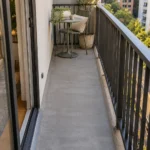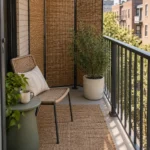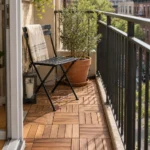
We’ve all been there. You walk into the garden center, heart full of hope, and ask for a plant that “literally cannot die.” The clerk points to a shelf of “indestructible” plants, you take one home to your sunny balcony, and four days later, it looks like a shriveled piece of beef jerky. It feels like a personal betrayal!
The truth is, a balcony is a tough place to live. Between the baking concrete floors and the “wind tunnel” effect of being high up, your “unkillable” indoor friends are actually in a fight for their lives.
Here is the heartbreaking list of the five plants that broke my heart, and the three heroes that actually stood up to a triple-digit heatwave.
The “Hard-to-Kill” Hall of Shame
1. The Peace Lily (The Drama Queen)
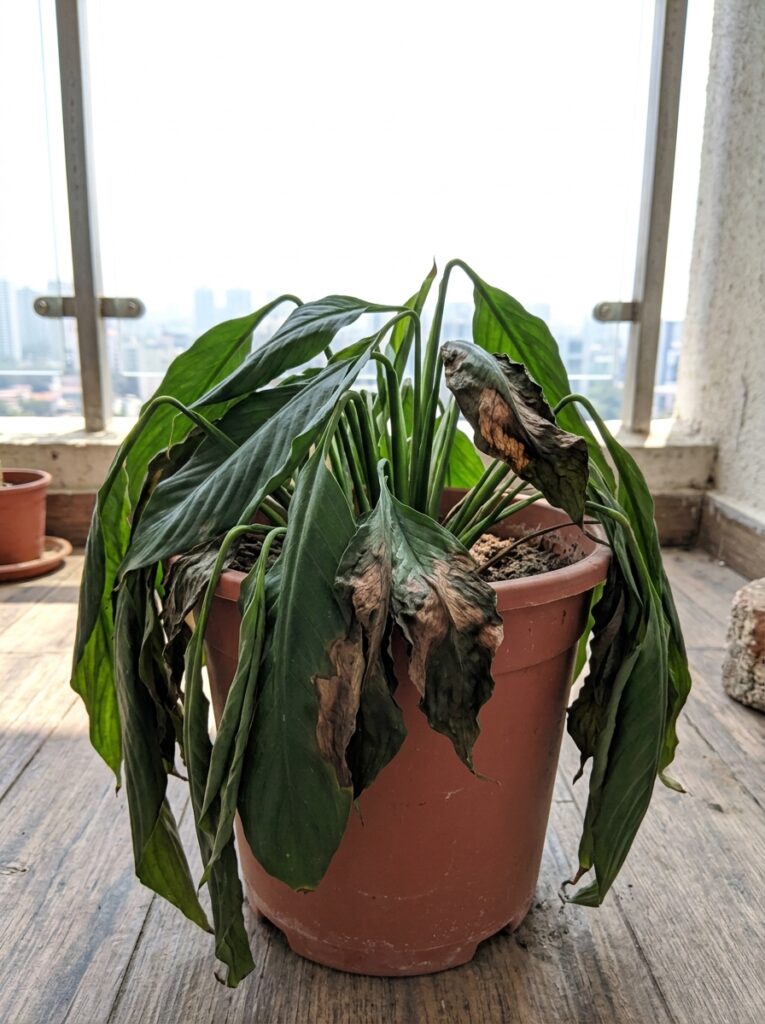
The Peace Lily is famous for “fainting” when it’s thirsty and then popping back up like magic. But on a balcony, that “faint” is often permanent. These plants have very thin leaves that don’t have a waxy “raincoat” to hold in moisture.
In the dry balcony wind, they lose water faster than they can drink it. One afternoon in the sun, and those beautiful green leaves turn into brown, crispy paper.
2. The Snake Plant (The Sunburn Victim)
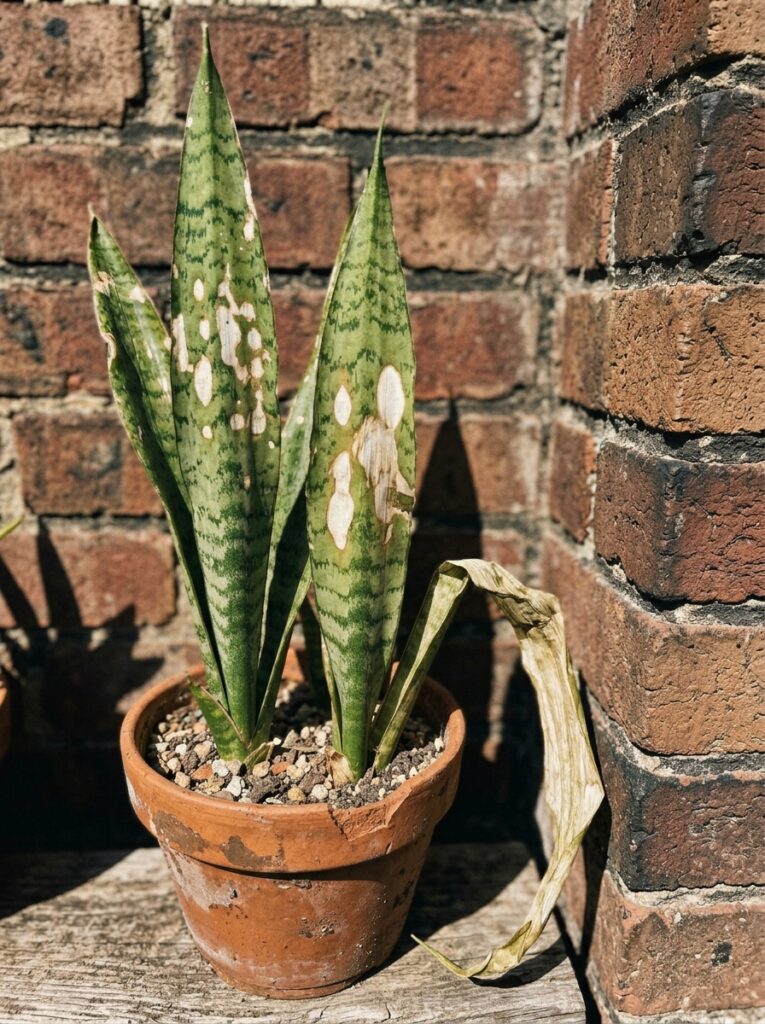
Everyone says Snake Plants are indestructible, but they have a secret: they hate a sudden tan. Most of these plants are grown in shaded greenhouses.
When you move them directly into the blazing balcony sun, they get “sunscald.” You’ll see white or tan bleached spots that never go away. It’s basically a permanent plant sunburn.
3. The ZZ Plant (The Rotten Potato)
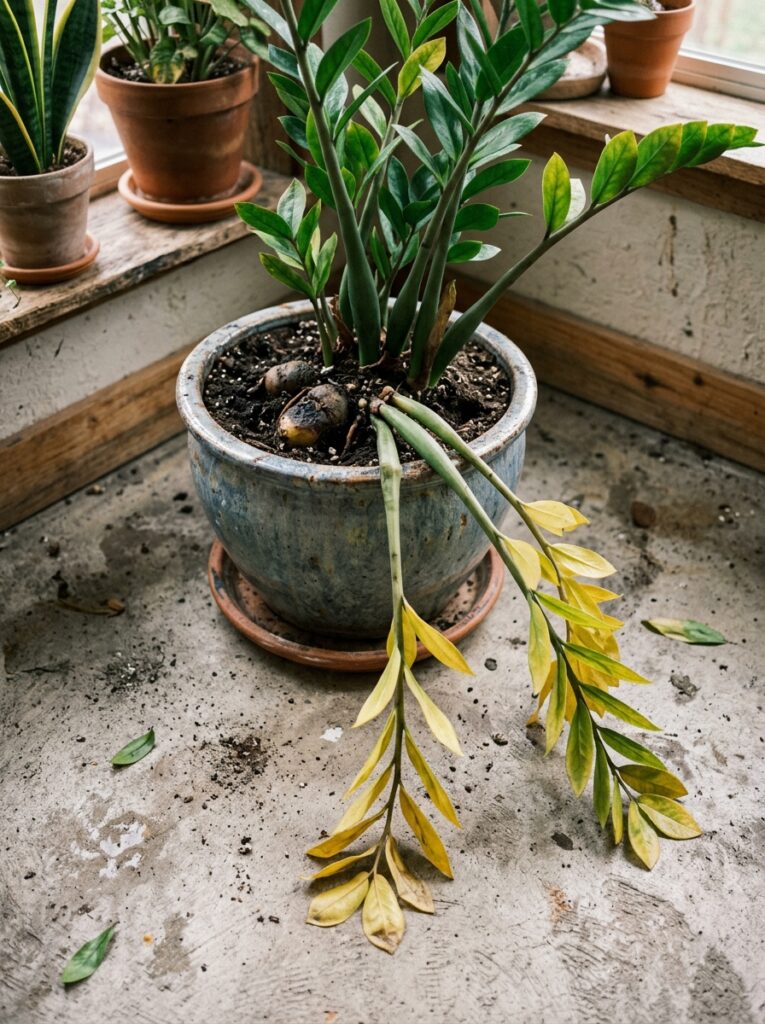
The ZZ plant grows from thick, potato-like structures called rhizomes that store water. On a hot balcony, the concrete floor heats up the pot like a slow cooker.
If you water it to “save” it from the heat, those “potatoes” just sit in hot, soggy soil and turn into mush. If the stems fall over and smell like a trash can, your ZZ plant has checked out.
4. The Pothos (The Variegated Burn)
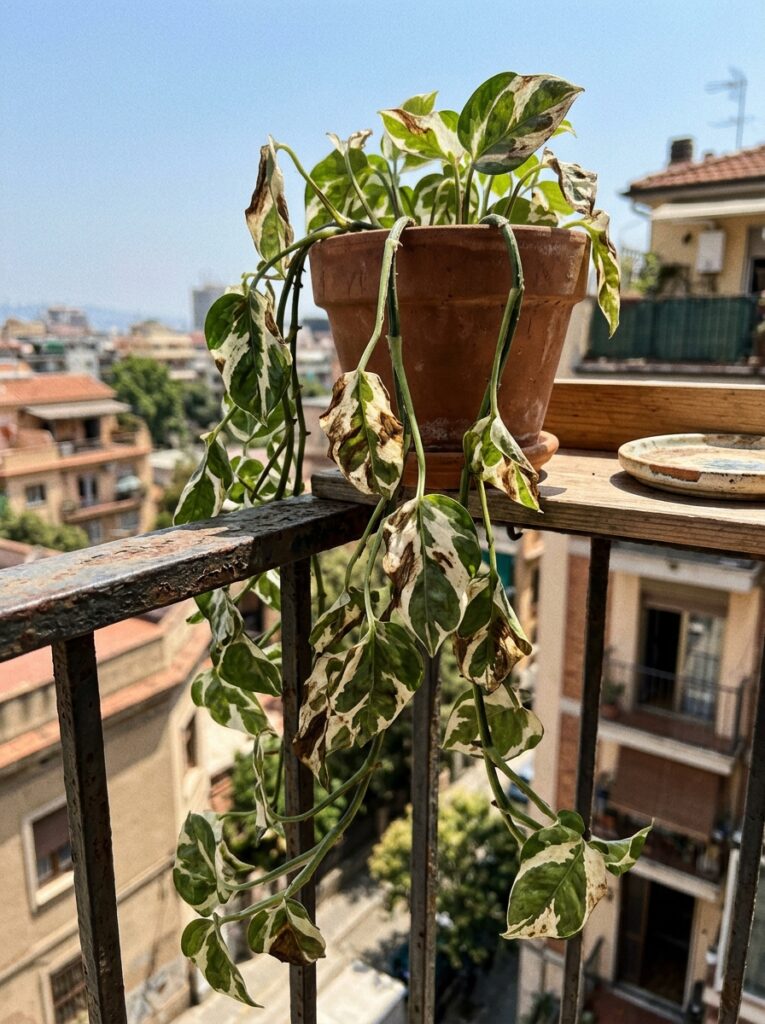
Variegated Pothos (the ones with pretty white or yellow splashes) are especially sensitive. Those white parts don’t have the “armor” of green chlorophyll, so they are the first to cook in the sun.
On my balcony, the white parts of the leaves turned into brown, shriveled streaks within three days.
5. The Spider Plant (The Wind Shredder)
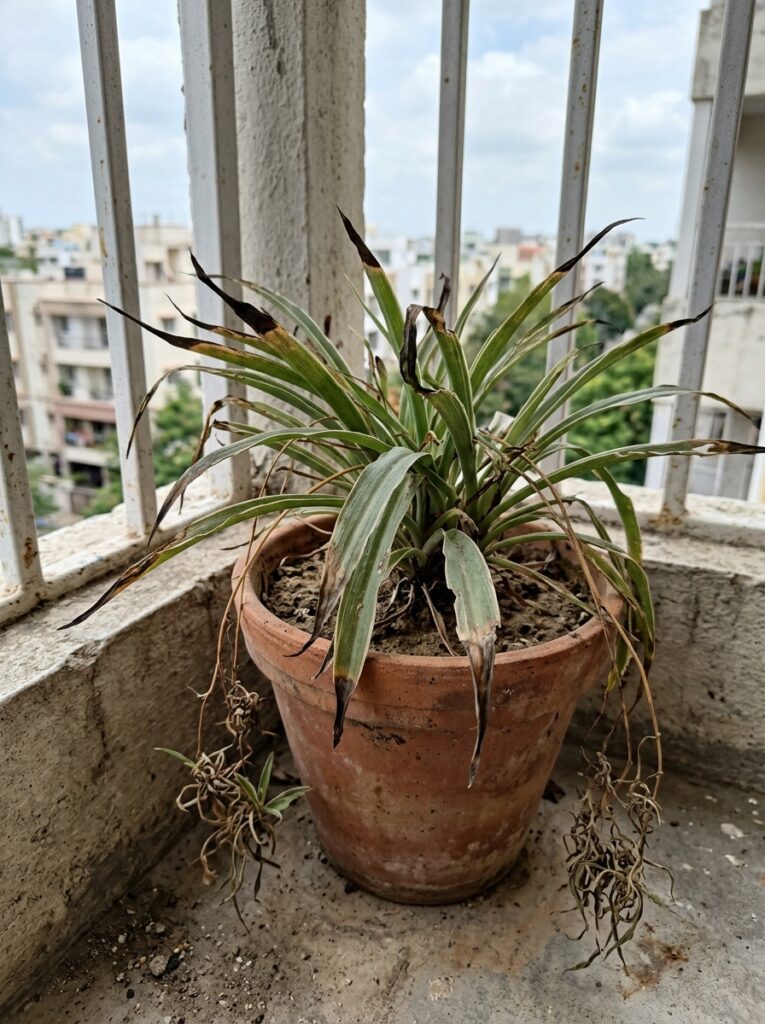
Spider plants love to grow “babies” that hang down, but on a high-up balcony, the wind turns those babies into a tangled mess. Plus, they are super picky about city water.
The fluoride and chemicals in tap water cause the tips of their leaves to turn black and crunchy. After a week of wind and tap water, mine looked like it had been through a paper shredder.
The Heatwave Champions
While the others were wilting, these three plants were basically living their best lives.
1. Marigolds (The Golden Bodyguards)
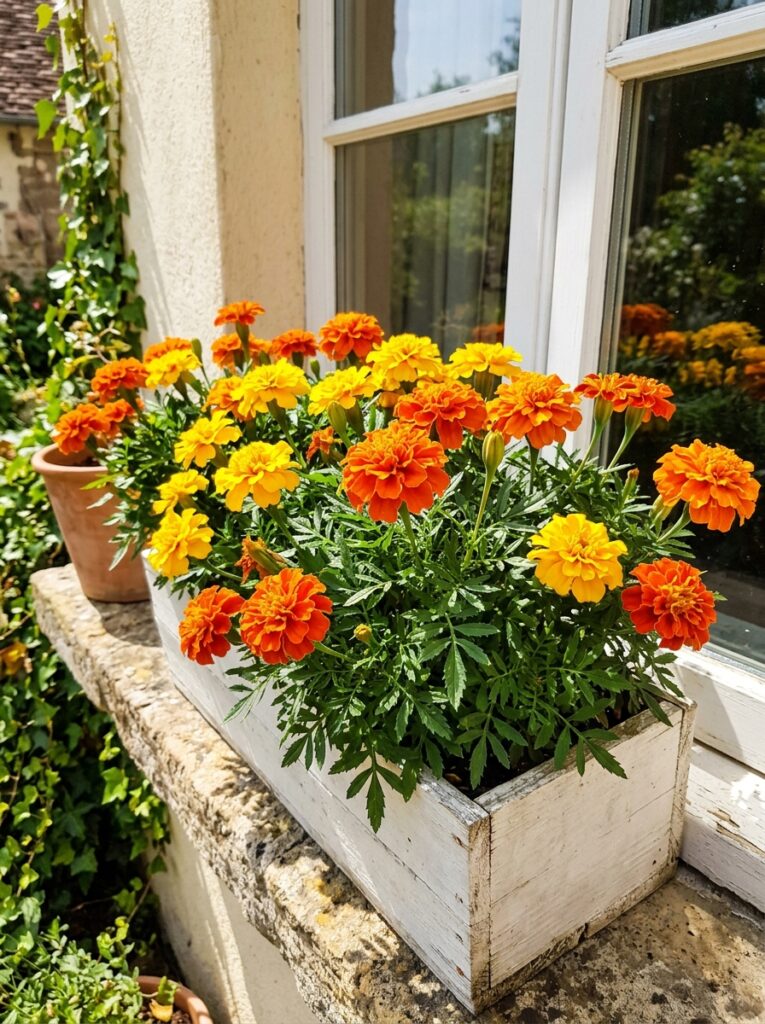
Marigolds are built for the heat because they are originally from Mexico. They are “heliotropic,” which is a fancy way of saying they actually turn their flower heads to follow the sun across the sky.
They also release a scent that scares away pests, acting like a tiny, golden bodyguard for your other plants.
2. Geraniums (The Water Storers)
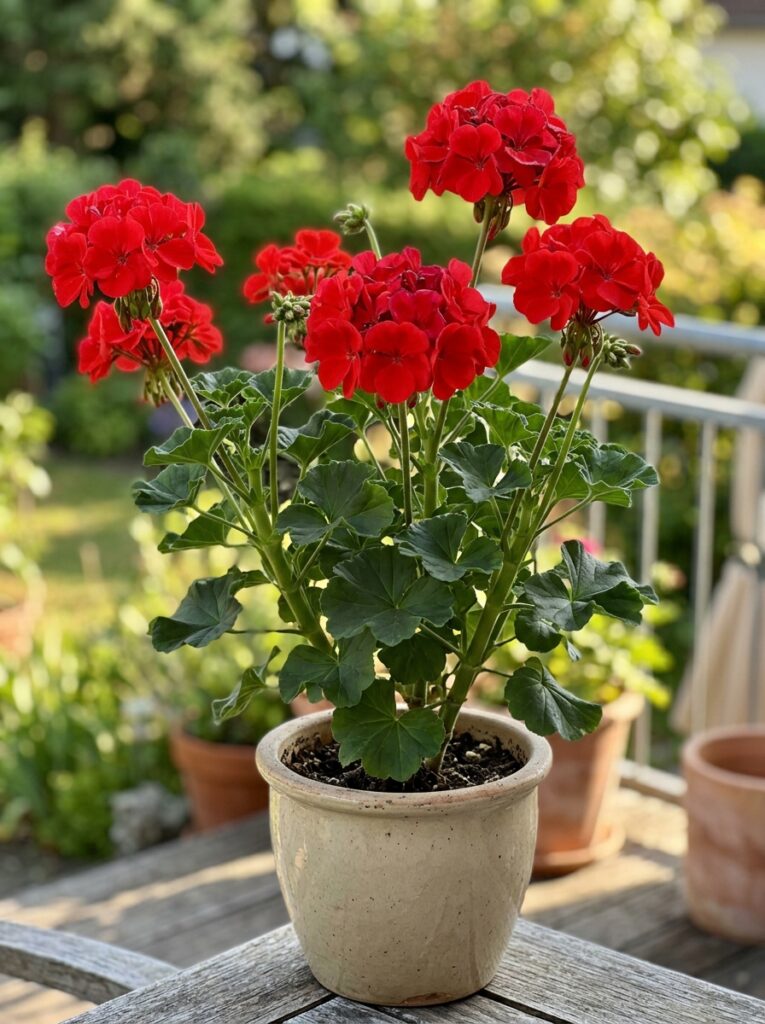
Geraniums are the camels of the plant world. They have thick, fleshy stems that act like built-in water tanks. This lets them survive a few days of drought if you forget to water them during a heatwave.
There are even new “interspecific” hybrids specifically designed to survive $100^\circ F$ summers without “melting.”
3. Lavender (The Silver-Haired Warriors)
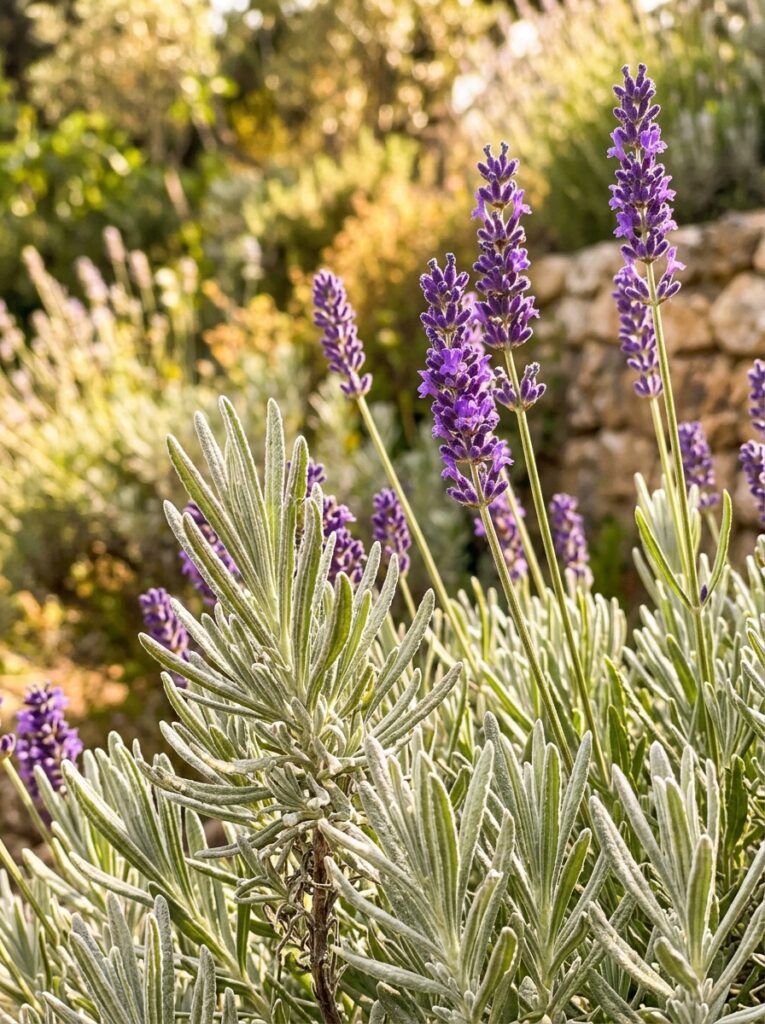
If you look closely at lavender, the leaves are silver and fuzzy. That’s because they are covered in millions of tiny hairs called “trichomes.” These hairs reflect the sun’s rays like a shiny space blanket, keeping the plant cool.
They also trap a thin layer of “still” air against the leaf, which stops the wind from sucking out all the moisture.
My Pro-Tip for Survival: The Finger Test
The best way to stop being a plant murderer is the Finger Test. Don’t just water because the calendar says so! Stick your finger into the soil up to your first knuckle. If it feels dry and dusty, give them a deep drink. If it feels cool and damp, put the watering can down!
Always water in the early morning so your plants are hydrated before the sun starts “cooking” them. Trust me, your balcony garden will thank you!