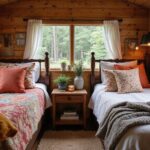
So here’s the thing—I never thought I’d be the person obsessing over barndominiums at 2 a.m., scrolling through Pinterest like it was my job. But then my cousin Sarah built one in Texas for less than what my studio apartment in the city costs, and I was like, wait… what? A whole house with a workshop and a two-car garage for under $200K? Suddenly, those metal buildings weren’t looking so “barn-ish” anymore—they were looking genius.
If you’re sitting there thinking traditional home prices have lost their minds (because they have), barndominiums might just be your escape hatch. We’re talking $60 to $160 per square foot versus $150 to $400 for traditional homes. That’s not a typo. And before you picture some drafty shed with hay in the corners, let me stop you right there—modern barndos are legitimately gorgeous: cozy farmhouse vibes, open kitchens, vaulted ceilings, the works.
Small But Mighty: The Compact Starter Barndos
1. The Compact 1,000 Square Foot Starter
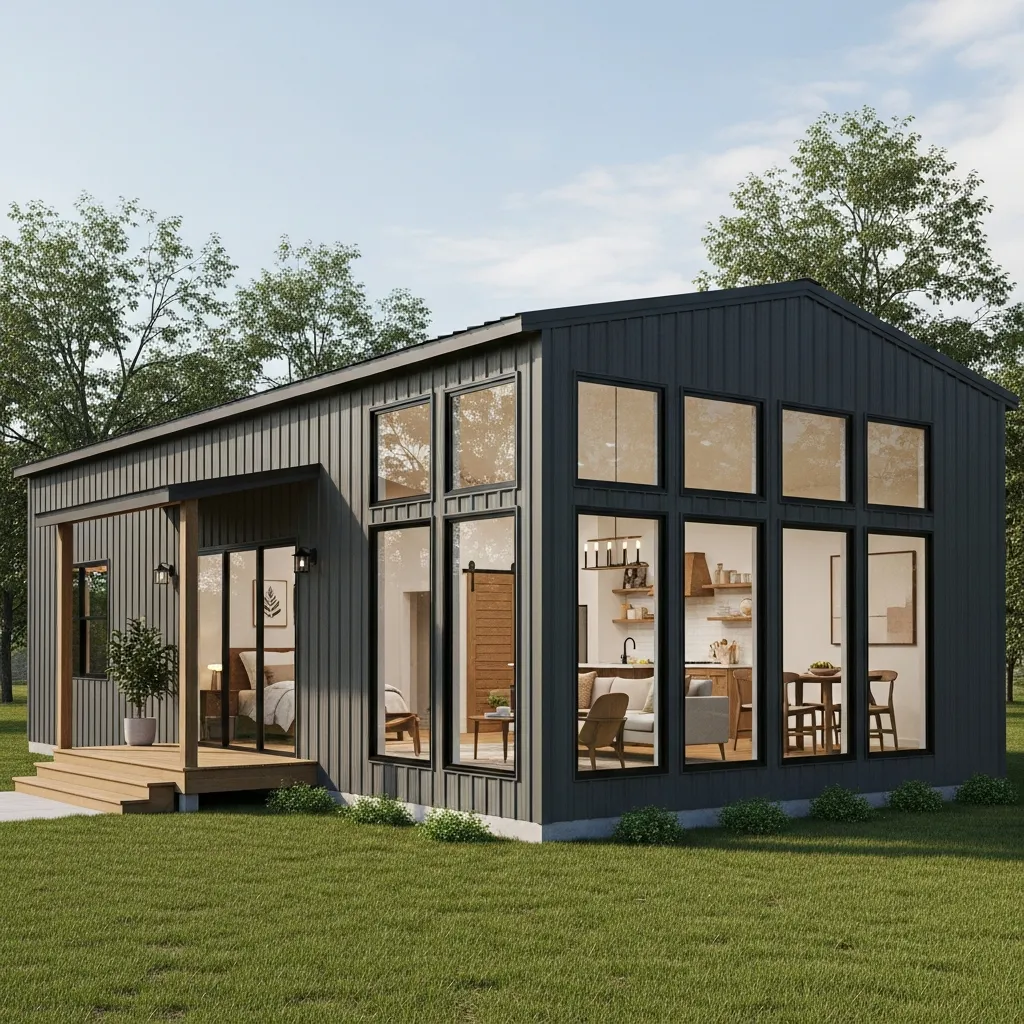
Look, I get it—a thousand square feet sounds small. But have you seen what people are paying for 600-square-foot apartments? At least with a barndo, you’re not sharing walls with someone who practices drums at midnight.
These little guys are perfect if you’re just starting out or finally escaping your parents’ basement (no judgment, been there). Picture this: one or two bedrooms, an open living space where you can actually see your kitchen from the couch, and costs between $65,000 and $160,000 depending on how fancy you get with the finishes. Single-story means no stairs to navigate when you’re carrying groceries and heating bills that won’t make you cry every winter. Plus, that simple rectangular shape? It’s not boring—it’s practical. And when you’re the one writing the checks, practical feels pretty darn beautiful.
2. The Rustic Nook 1,200 Square Foot Design
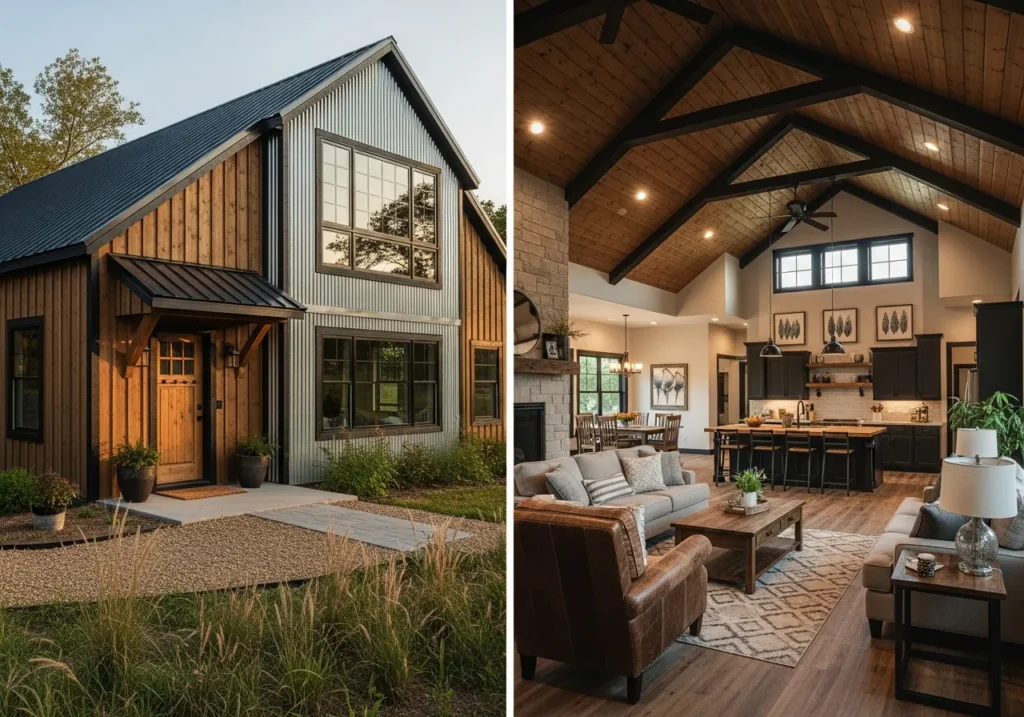
Okay, can we talk about the 30×40 Rustic Nook design for a second? Because whoever came up with this deserves a medal. It’s 1,200 square feet, two bedrooms, two full bathrooms—and here’s the kicker—no hallways. None. You know what that means? No wasted space where you just… walk. Every inch is doing something useful.
The floor plans run about $800, and the whole interior materials package is around $37,850. The steel kit gets you more than halfway done once it’s up, which is huge if you’re trying to keep costs down. My friend Jake built one of these last year—mostly by himself on weekends—and he said the straightforward layout made it actually doable. No weird angles to figure out, no complicated roofline making him question his life choices. Just honest, simple construction that works.
3. The Goldilocks Option: 1,500 Square Feet
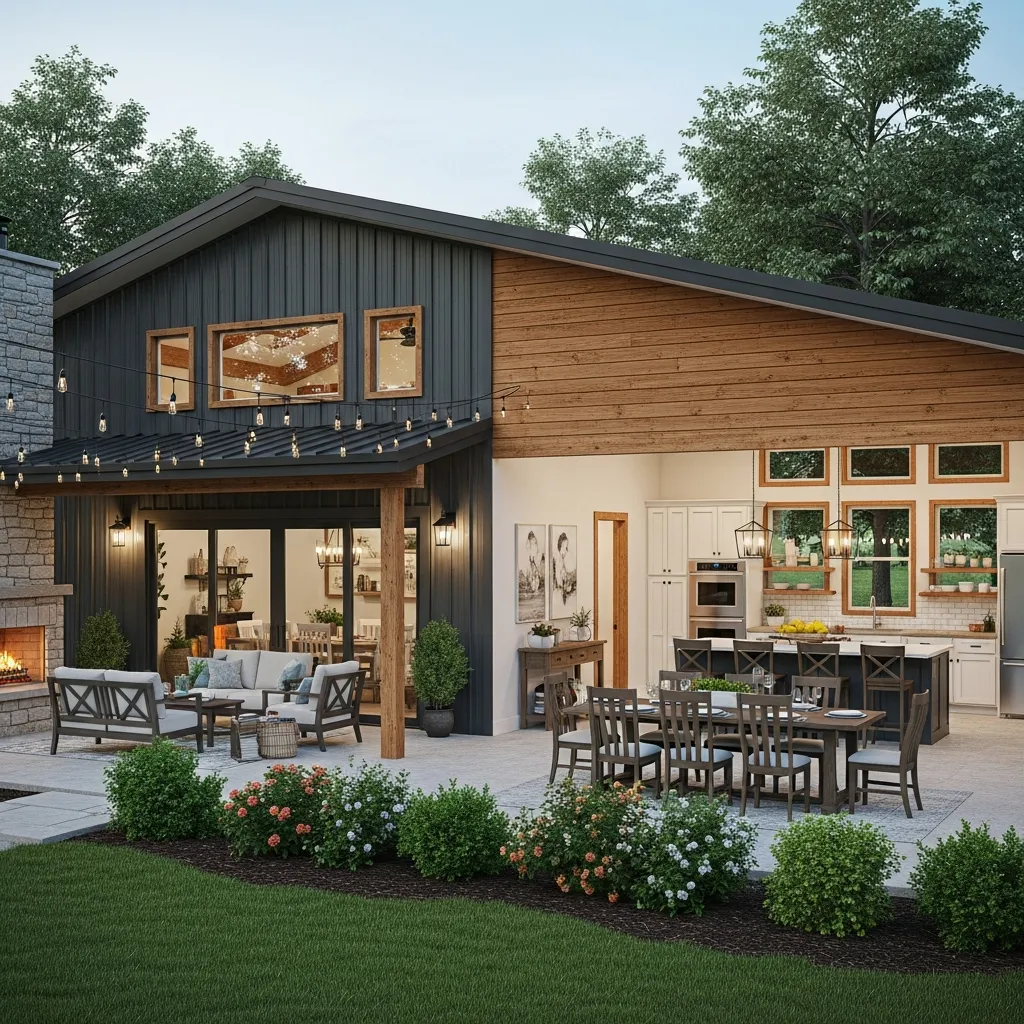
This size is like the “just right” porridge for families—not so small the kids are constantly in your space (because let’s be real, we all need boundaries), but not so big you’re cleaning rooms nobody even uses. Two to three bedrooms, maybe an outdoor patio area, some actual storage—remember storage? That luxury?
You’re looking at $97,500 to $240,000 to build, which I know sounds like a range bigger than the Grand Canyon, but it really depends on whether you go basic or add those granite countertops and heated floors. These are perfect for families with a couple of kids, retirees who are downsizing but refuse to give up their craft room (looking at you, Mom), or anyone who needs space for hobbies that have taken over their entire life. And utility bills? Actually manageable. What a concept.
The DIY Route: For the Brave and Budget-Conscious
4. Pre-Engineered Metal Building Kits
Ever put together Ikea furniture and thought, “I could totally build a house”? Well, with barndominium kits, you kind of can. Everything shows up pre-cut, pre-measured, ready to bolt together. It’s like adult Legos—except way more satisfying, and you get to live in it.
Basic steel-frame kits run $20,000 to $90,000, and companies like Mueller Metal Buildings start around $35,000. Rhino Metal Building has options in the $45,000–$75,000 sweet spot. Going DIY can save you $30,000–$50,000 compared to traditional construction. That’s a new car. That’s your kid’s college fund. That’s a lot of avocado toast—if we’re being millennial about it.
5. Steel Frame Kit with Professional Assembly
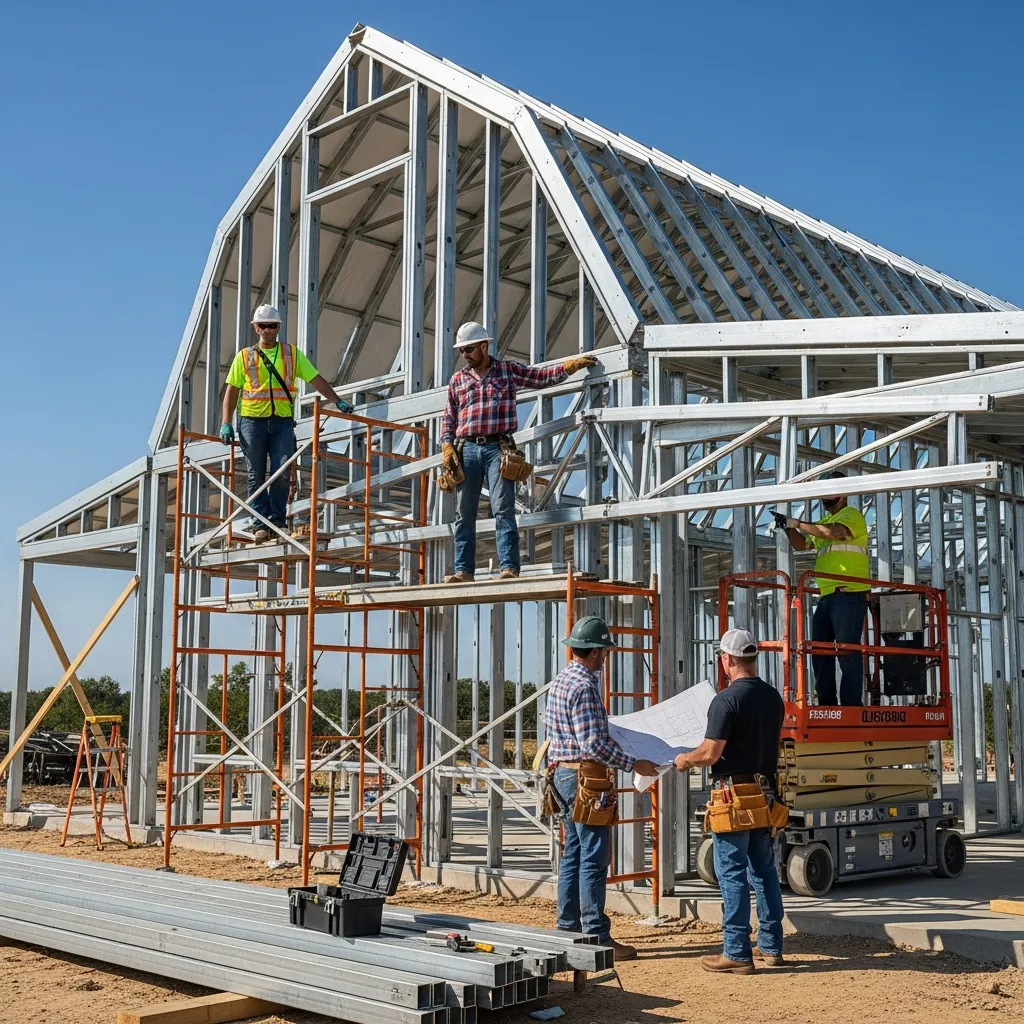
Maybe you’re handy, but not “I’m going to assemble an entire building” handy. Fair. Getting the kit but hiring pros for assembly is totally a thing—and honestly, it’s probably the smart move if you value your weekends and your marriage.
Materials still cost that $20,000–$90,000, but you’ll add another $25,000–$50,000 for labor. Still way cheaper than building from scratch, where labor alone can hit $58,000 easily. General Steel does turnkey packages in the $55,000–$90,000 range—they handle it all. You just show up with paint colors and pizza for the crew.
6. Cold-Formed Steel Kit Systems
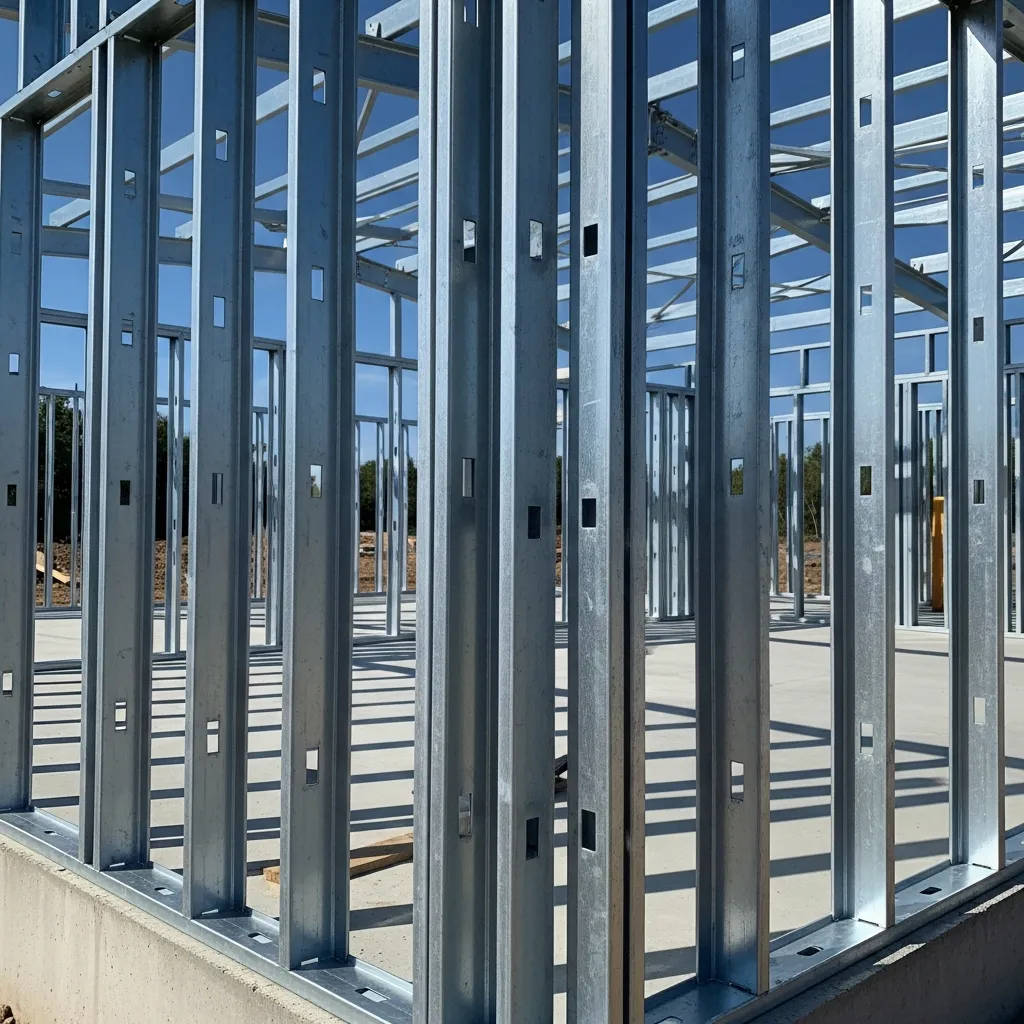
Cold-formed steel kits are like the honor student of building materials. They get you 55–60% complete right out of the gate. You put up the frame and—boom—you’ve got walls, a roof, and siding done. Just add windows, doors, and make the inside not look like a warehouse.
The steel resists pests (goodbye, termite inspections), fire (insurance companies love this), and moisture (no mold nightmares). And here’s something nobody tells you until you own a wood-framed house: mice don’t care about your property values. Steel? They can’t chew through it. Small victory, huge relief.
Design Hacks That Save You Serious Cash
7. Simple Rectangular Single-Story Layout
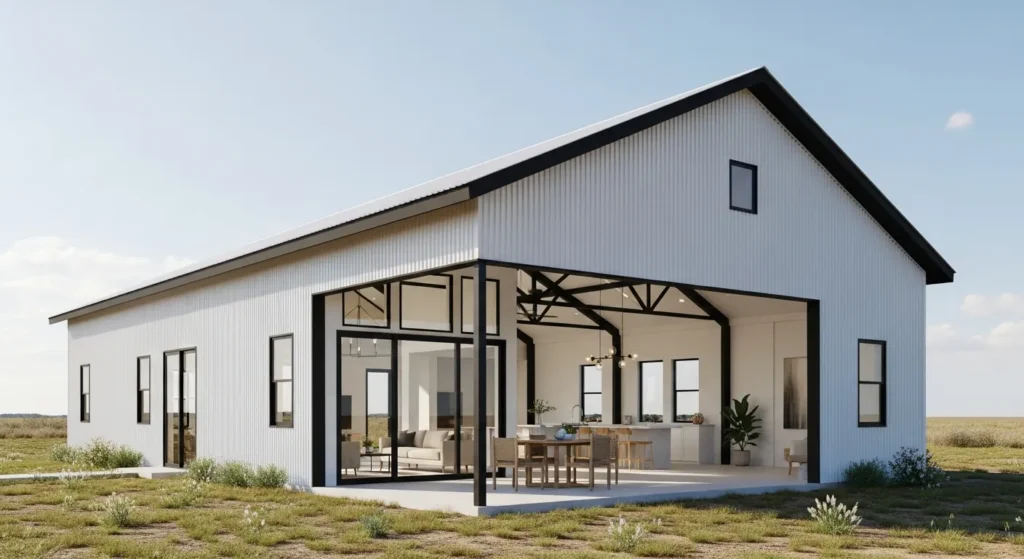
I know you’re probably looking at Architectural Digest homes with seventeen different rooflines and thinking “goals.” But every fancy angle is basically money flying away. The most budget-friendly barndo? Rectangle. Single-story. Done.
It sounds boring until you realize it’s 20–30% cheaper per square foot than traditional homes, easier to heat and cool, and maintenance is basically “pressure wash it once a year.” Open-concept inside means fewer walls to build, more natural light, and that spacious feeling everyone’s obsessed with. Sometimes the simple choice is actually the smart choice. Who knew?
8. Slab Foundation with Gable Roof
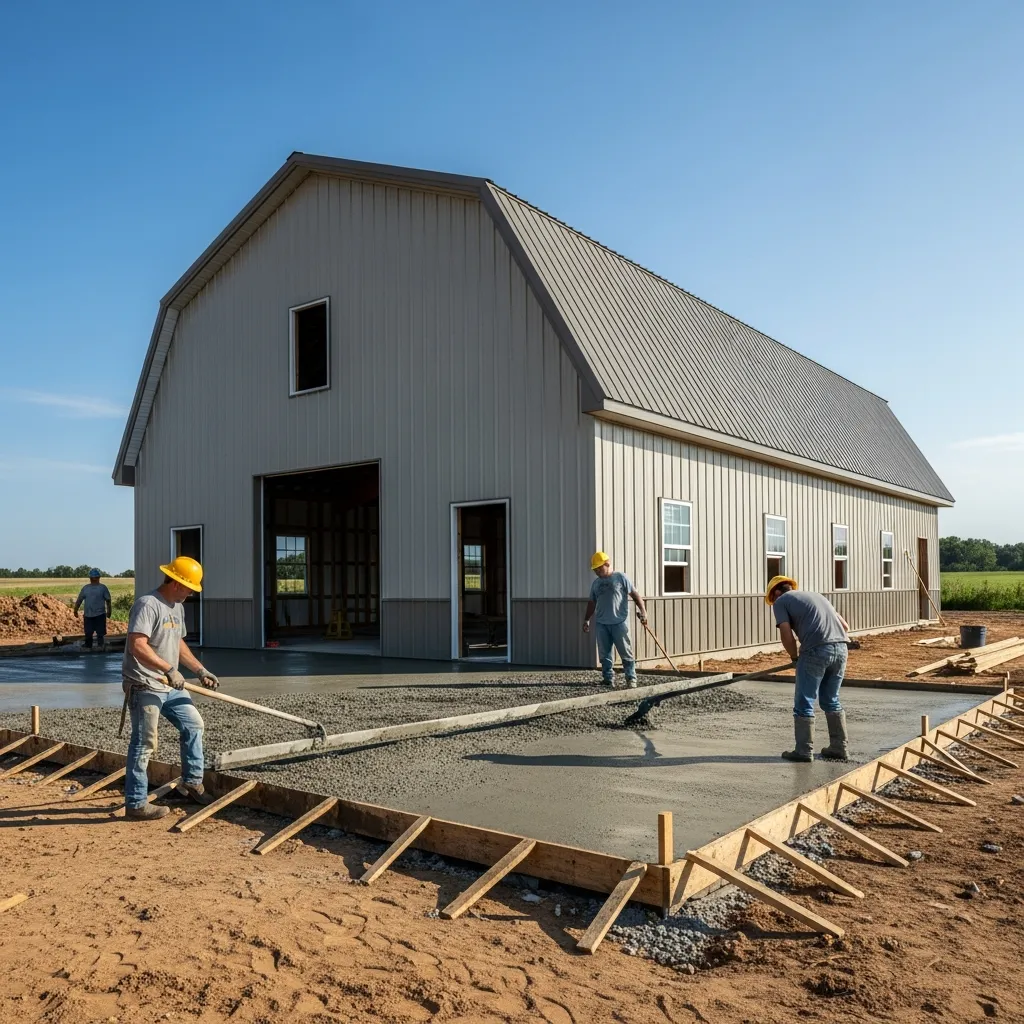
Foundation talk isn’t sexy, I know. But here’s what is sexy: saving thousands of dollars by skipping the basement you’d just fill with boxes anyway.
Concrete slab foundation plus a simple gable roof is the gold standard for affordable barndos. No fancy roofline origami, no crawl spaces—just solid and straightforward. Your contractor will love you, your wallet will love you, and honestly, future you doing maintenance will love you too. The simple roofline makes everything from construction to eventual repairs just… easier. And easier equals cheaper.
9. Open-Concept Interior Design
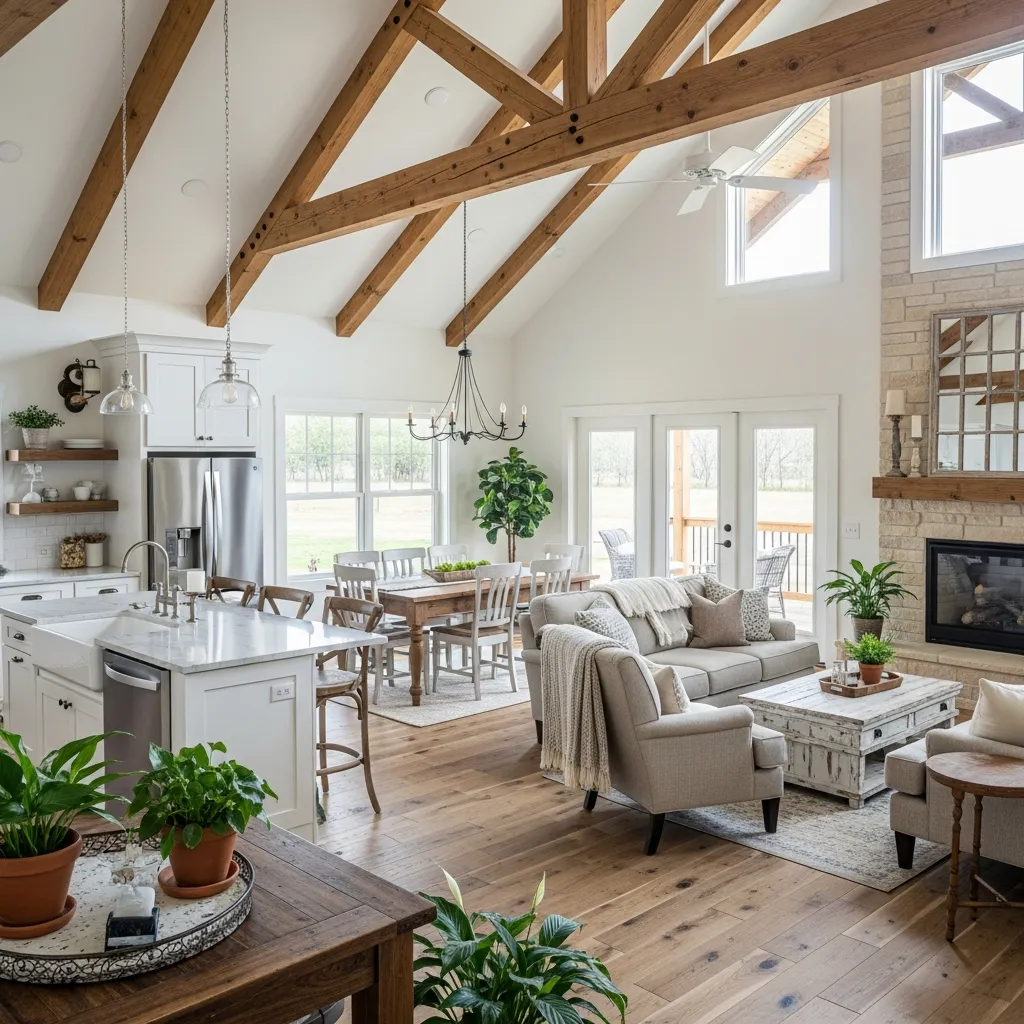
Open floor plans are everywhere right now, and for once, the trend actually makes financial sense. Fewer walls mean less lumber, less drywall, less labor, less paint. Plus, you get that airy, Instagram-worthy vibe without custom anything.
The kitchen flows into the dining area, which flows into the living room—you can watch Netflix while making dinner while talking to whoever’s on the couch. No hallways eating up square footage where you literally just walk through. And natural light? It bounces everywhere. You might actually remember to water your plants when you can see them from every angle.
Multi-Tasking Buildings: Work and Life Under One Roof
10. Barndominium with Integrated Workshop
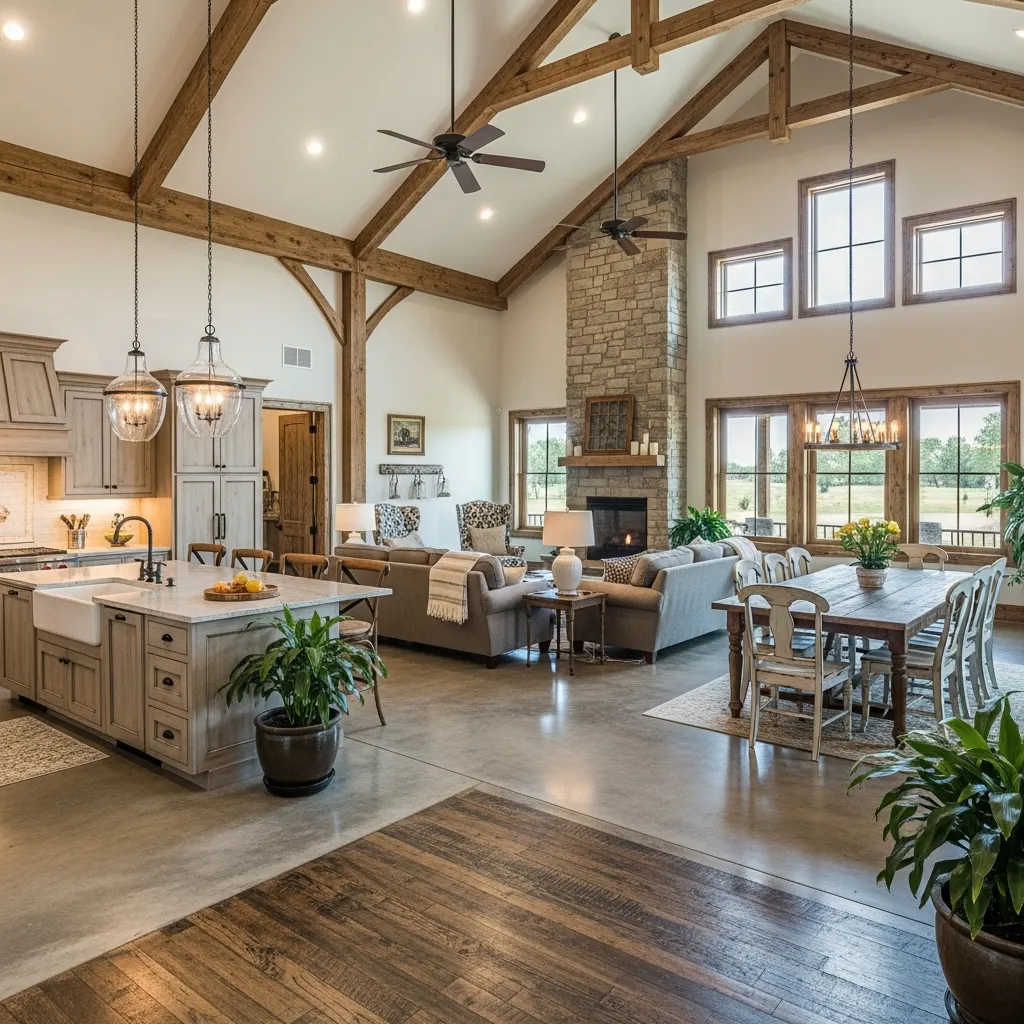
This is where barndominiums really shine. You want a woodworking shop? Metal fabrication space? Art studio? Gym? Just build it attached to your house. Same structure, same foundation—half the cost of doing them separately.
Prices range from $65 to $400 per square foot, depending on how big and fancy you go. But keeping everything under one roof means you’re not paying for two separate builds. The key is keeping the noisy or messy shop somewhat separated from your actual living space—unless you enjoy the smell of sawdust with your morning coffee. Some people do. No judgment.
11. Two Stories When Land Is Pricey
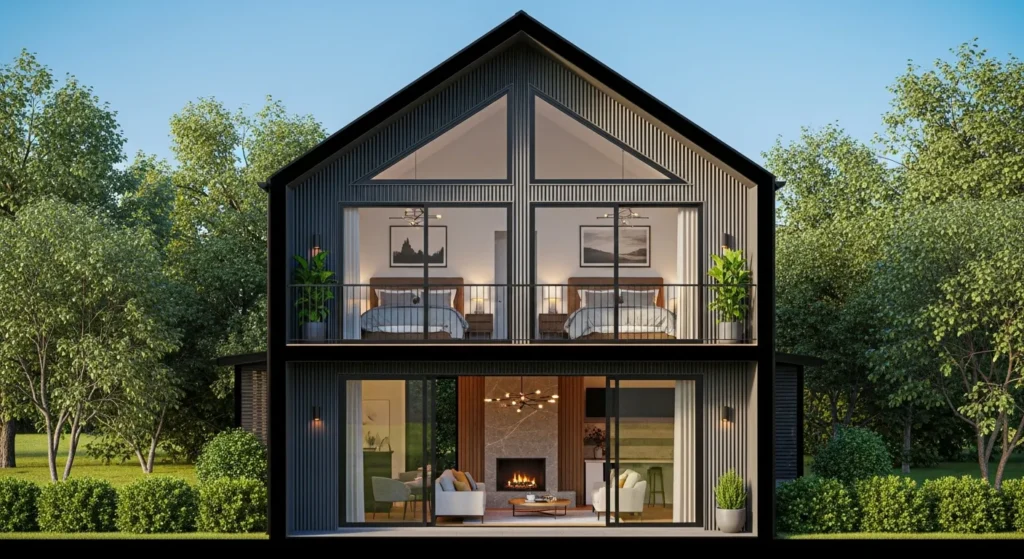
If your plot of land cost as much as a small car, going vertical makes sense. Stack your bedrooms upstairs, keep living areas downstairs, and suddenly you’ve doubled your square footage without needing more land.
Yeah, two-story builds add some complexity—more stairs, more framing—but you’re cutting your foundation and roof size in half. In expensive areas or when you just don’t have much land to work with, building up instead of out can actually save money. Plus, bedrooms upstairs from the living room? Built-in soundproofing for when the kids are asleep and you finally get to watch your shows.
12. Modern Farmhouse Style Barndominium
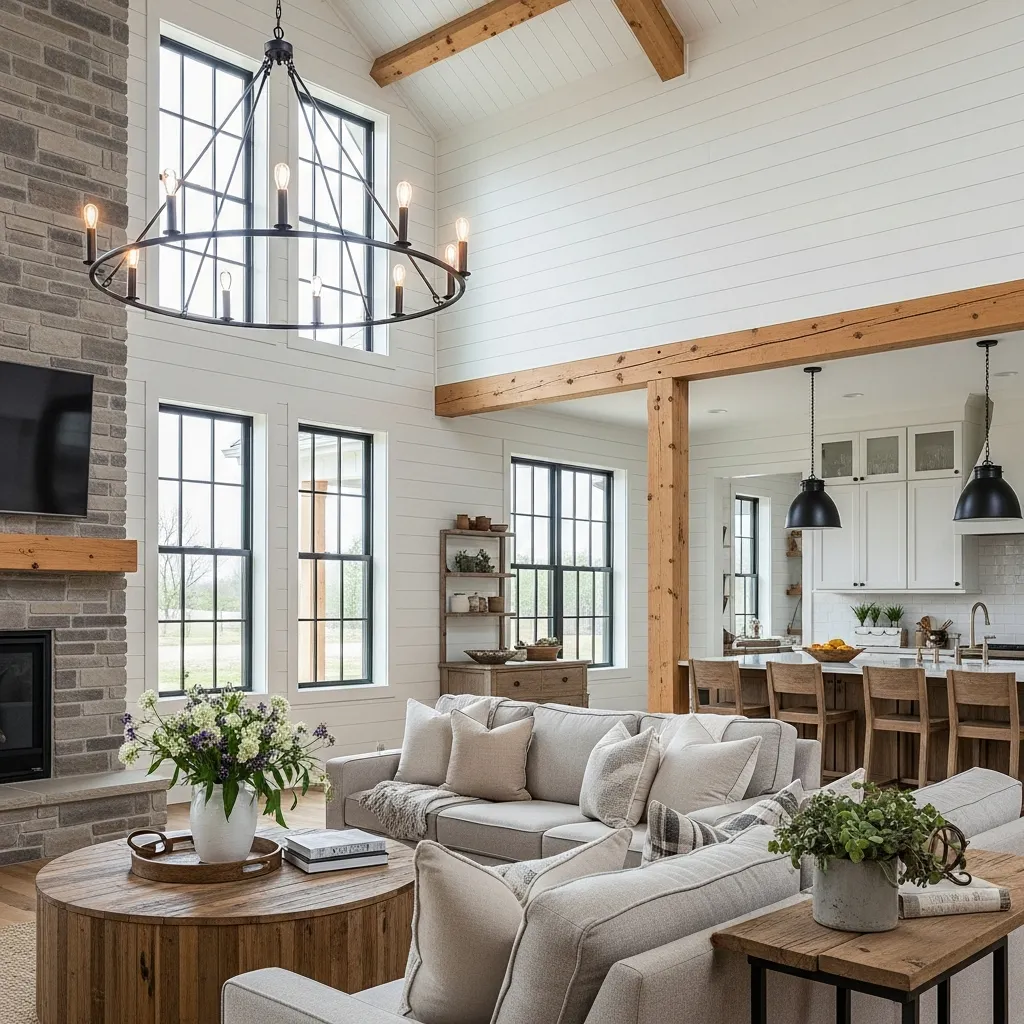
The modern farmhouse aesthetic is everywhere—white walls, black trim, shiplap for days, and wood accents that make everything feel cozy. And here’s the secret: it’s actually an affordable style.
Since it’s so popular, all the materials are easy to find and competitively priced. You’re not hunting down specialty items or custom millwork. Clean lines work perfectly with those simple rectangular barndo footprints that keep costs low anyway. It’s like the design gods finally aligned budget with beauty. My Instagram feed has never looked better—and my bank account actually agrees.
Smart Building Strategies
13. Phased Construction Approach
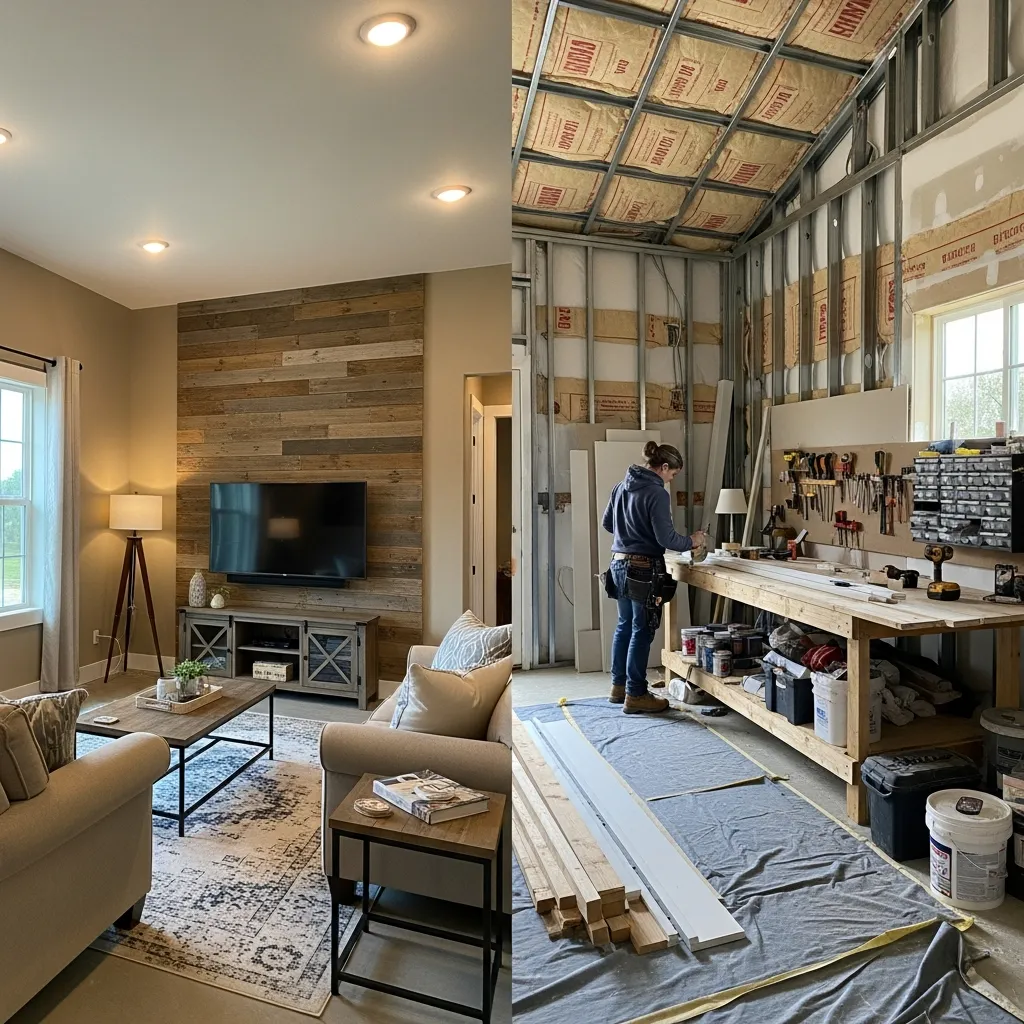
Remember when you couldn’t afford all the toppings on your pizza, so you just got cheese and added your own later? Same concept.
Build the shell and basic living spaces first—bedroom, bathroom, kitchen, living area—the essentials. Move in. Then finish other rooms, the workshop, fancy finishes, whatever, as you save up. This spreads costs over time, lets you avoid paying interest on the full build amount, and honestly, living in the space helps you figure out what you actually want. Turns out that craft room might be better as a home office. Who knew until you were actually living there?
14. Hybrid Wood and Metal Construction
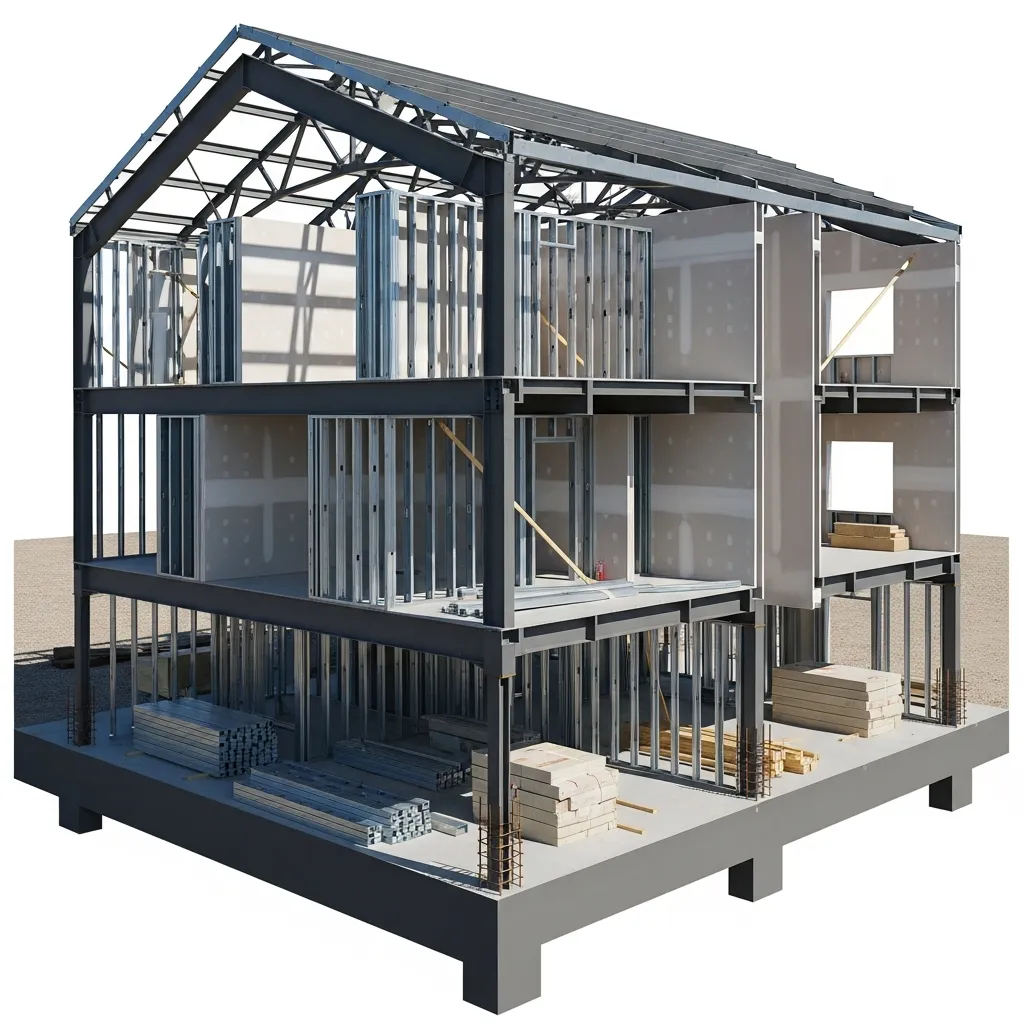
Pure steel frame is great, but you can save even more by getting creative. Use steel for the main structure and siding—all that durability and pest resistance—but light-gauge steel studs for interior walls, which are often cheaper than wood and DIY-friendly.
You keep all the advantages of steel (fire resistance, no termites, long lifespan) while optimizing costs where you can. It’s like shopping the sale rack but still getting quality—strategic, not cheap. There’s a difference.
15. The Under-$100K Challenge
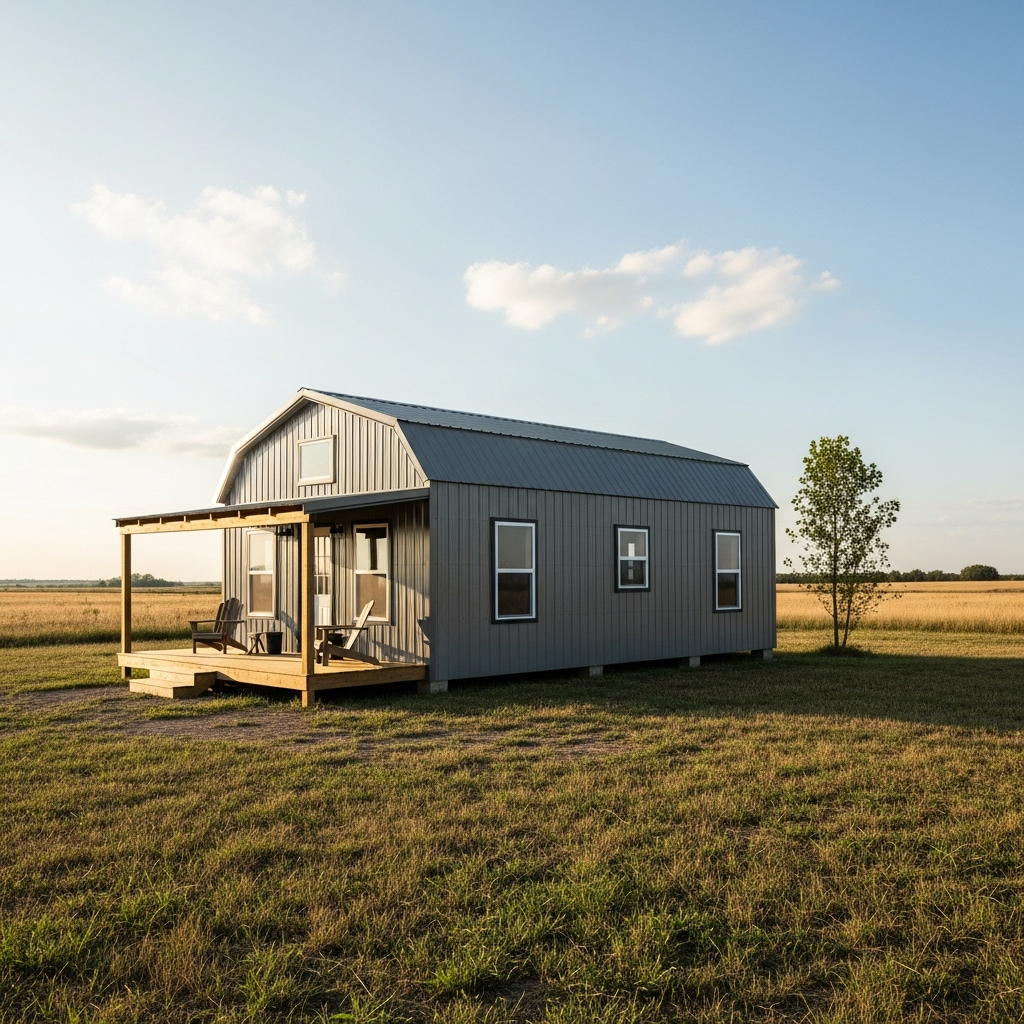
Can you really build a barndo for under $100,000? Yes. Will it be small and basic? Also yes. But if you need affordable homeownership and have more sweat equity than cash, it’s doable.
We’re talking 800–1,000 square feet, DIY kit assembly, builder-grade finishes, simple layout, rural land where prices don’t make you laugh-cry. You do a lot yourself, keep it bare-bones, and get an actual house you own. For some people, that’s not a compromise—it’s a dream come true. First-time buyers on tight budgets aren’t looking for granite and chandeliers—they’re looking for a front door that actually belongs to them.
The Real Talk on Making This Work
Building a budget barndominium isn’t about cutting corners—it’s about being smart where it counts. Steel frames and metal siding give you that durability without the premium price tag. Wood rots; steel doesn’t. Termites eat wood; they break their tiny teeth on steel. These aren’t small things when you’re talking about protecting your investment.
Pre-engineered kits eliminate waste because everything’s measured to precision. No “oops, we ordered too much” or “oops, we didn’t order enough.” The straightforward designs—rectangular, single-story, open interiors—aren’t boring. They’re efficient. They’re what keep your build on budget and on schedule.
The average barndominium build in 2025 runs about $230,000, but that’s just average. Go small and simple, and you’re under $100,000. Want something bigger with nice finishes? Maybe $500,000+. The range is huge because you have so many choices—and that’s the beautiful part. You get to choose based on what actually matters to you, not just what the market is forcing you into.
Whether you go for that tiny 1,000-square-foot starter or the family-sized 1,500-square-foot version, you’re getting modern living, lower utility bills, less maintenance, and construction that’ll outlast most traditional homes. We’re talking 50 to 150 years if you take care of it.
Ever notice how our grandparents’ houses are still standing while new construction sometimes feels like it’s held together with prayers and good vibes? Steel barndominiums are built to last. They handle weather, they handle time, they handle life happening all around them.
So yeah—3 a.m. Pinterest scrolling might’ve just changed my future housing plans. And honestly? I’m not mad about it.