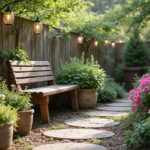
You can turn your backyard into a secret oasis by mixing vertical herb walls, bright edible flowers, and clever water‑saving tricks. Start with a loamy soil base, add coffee grounds and straw for nutrients, then drape drip tubing and mulch to keep moisture in.
Plant basil, thyme, and mint in hanging pockets while nasturtiums and calendulas bloom on trellises, attracting pollinators and kids alike.
Sprinkle sand for airflow, build a reclaimed‑pallet bench, and hang recycled glass bottle lights for a whimsical glow—keep exploring for even more ideas.
Herb Garden Essentials
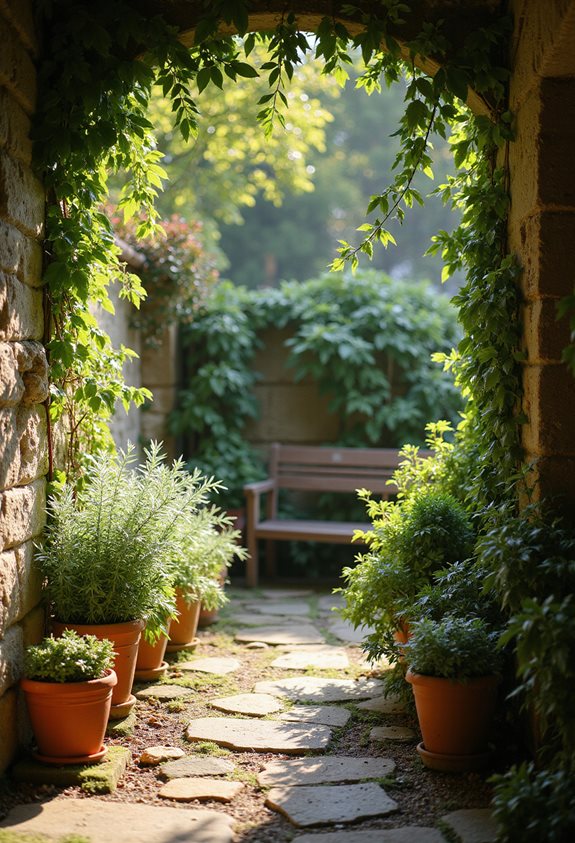
A herb garden starts with the right soil, and that’s where most beginners stumble. You’ll want loamy, well‑draining mix, not heavy clay.
Add compost for nutrients, then sprinkle a pinch of sand for extra airflow. Choose a sunny spot, water consistently, and label each plant.
Imagine basil whispering, “I’m ready for pesto!” while thyme hums, “I’m in tea.”
Vertical Garden Designs
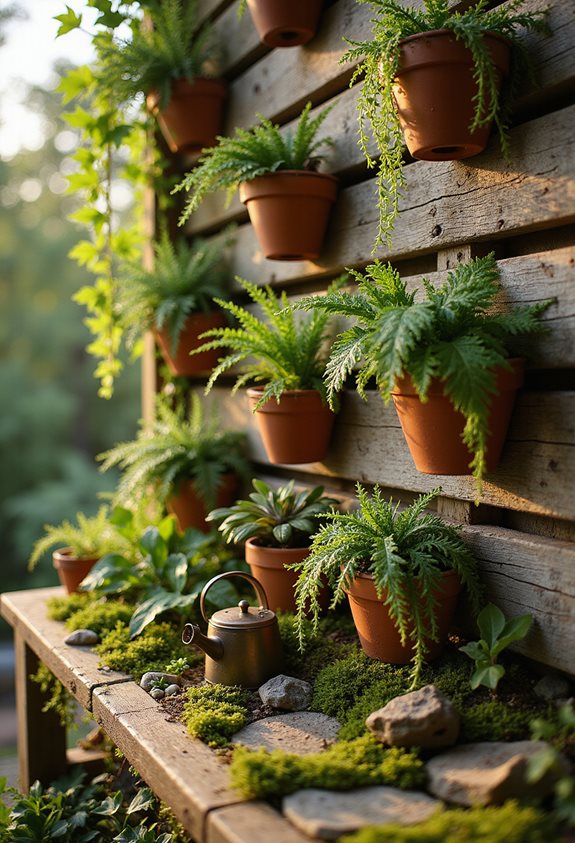
When you picture a garden climbing a wall, you’re actually turning a plain fence into a leafy masterpiece.
Imagine planting herbs in pockets, trailing vines spilling over, and succulents popping up like tiny green stickers.
You’ll love the instant shade, the fresh air, and the brag‑worthy backdrop for backyard parties.
It’s easy, cheap, and surprisingly rewarding—just hang, water, and watch nature grow upward.
Edible Flower Gardens
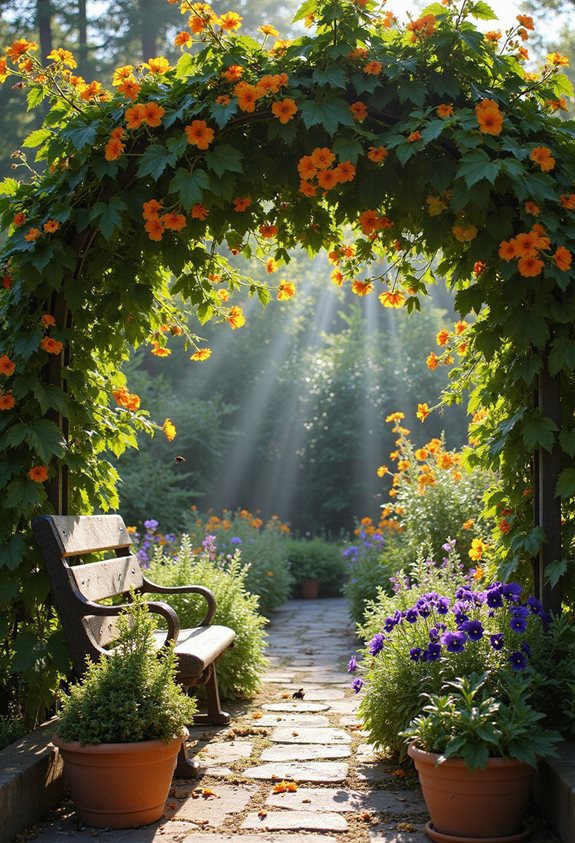
Your vertical garden already shows how a plain wall can burst with life, so why stop at herbs and vines?
Plant bright nasturtiums, violets, and calendulas in sunny spots; they taste peppery, sweet, or citrusy. Harvest petals for salads, teas, or desserts, and watch bees dance among them.
Even kids love snipping a flower and munching it like candy.
Water‑Saving Irrigation Tips
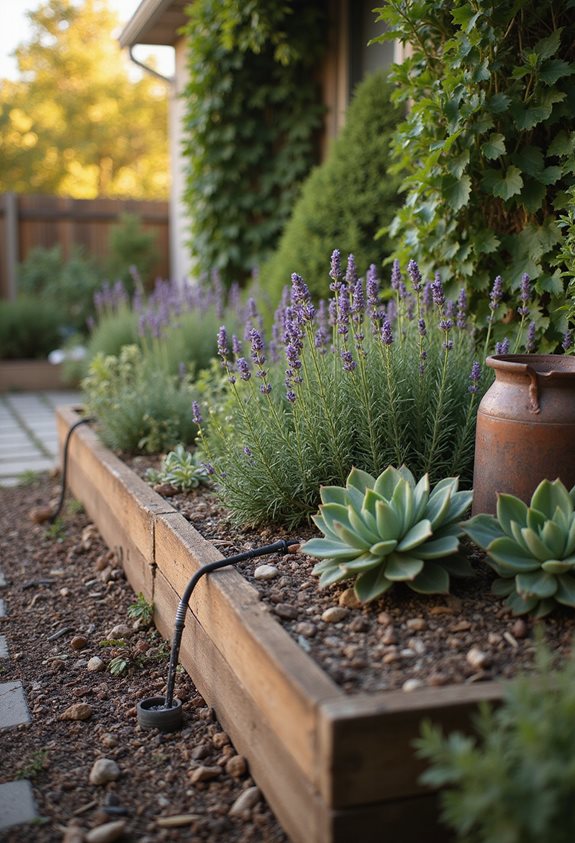
If you’ve ever watched a garden wilt under a scorching sun, you know how frustrating water waste can be. You can cut down that waste with smart tricks that keep plants happy and your bill low.
- Mulch deeply to trap moisture
- Water early, using a drip system
- Group plants with similar needs
- Use rain barrels for free water
Companion Planting Strategies
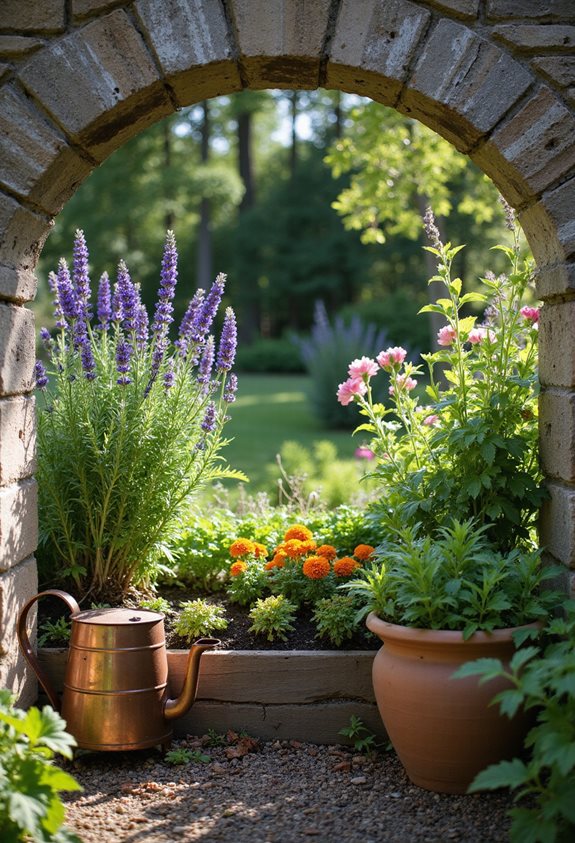
Even though you might think planting is just tossing seeds into the ground, pairing the right veggies together can turn your garden into a thriving, low‑maintenance crew.
Plant tomatoes beside basil to deter pests, and grow carrots under lettuce for shade. Marigolds protect beans from nematodes, while radishes loosen soil for peppers.
Mix flavors, share space, and watch your garden flourish with minimal effort.
Raised Bed Layouts
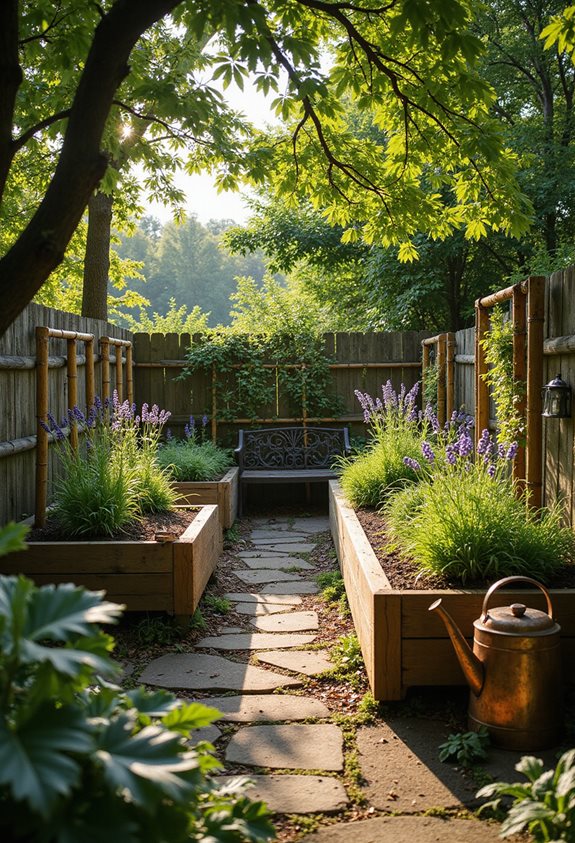
When you stack soil in a raised bed, you instantly give your plants a cozy, well‑drained home that feels like a luxury hotel for veggies.
You’ll notice faster growth, easier weeding, and a tidy garden that looks good from any angle.
- Choose a rectangular shape for efficient watering.
- Leave at least six inches between beds for airflow.
- Fill with a mix of compost, peat, and vermiculite.
- Add a trellis edge for climbing tomatoes.
DIY Trellis Projects
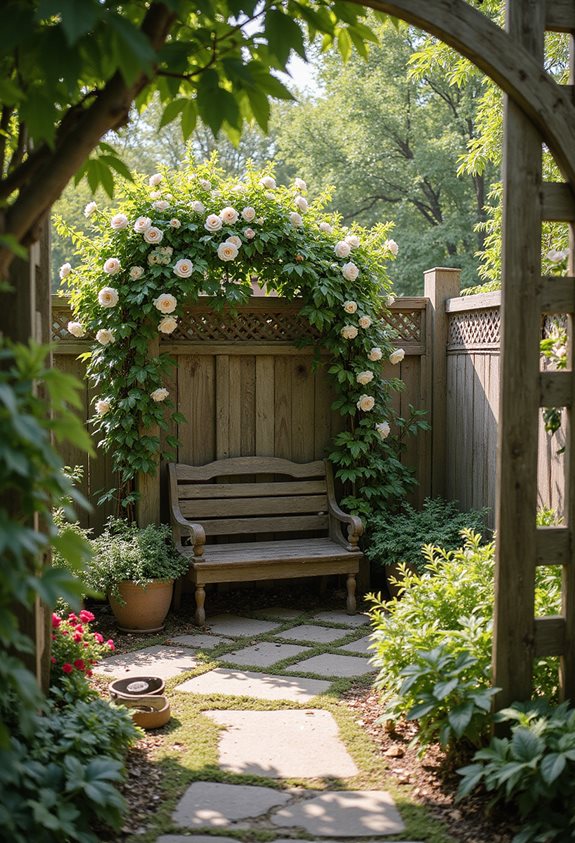
Three simple trellis ideas can turn a plain garden row into a leafy playground for beans, peas, and cucumbers.
You can string bamboo poles and twine for a rustic net, attach reclaimed wooden pallets for a sturdy ladder, or use PVC pipe elbows to build a modular frame you’ll re‑assemble each season.
Each project costs little, looks cute, and lets vines climb happily while you watch growth.
Night‑Blooming Plant Selections
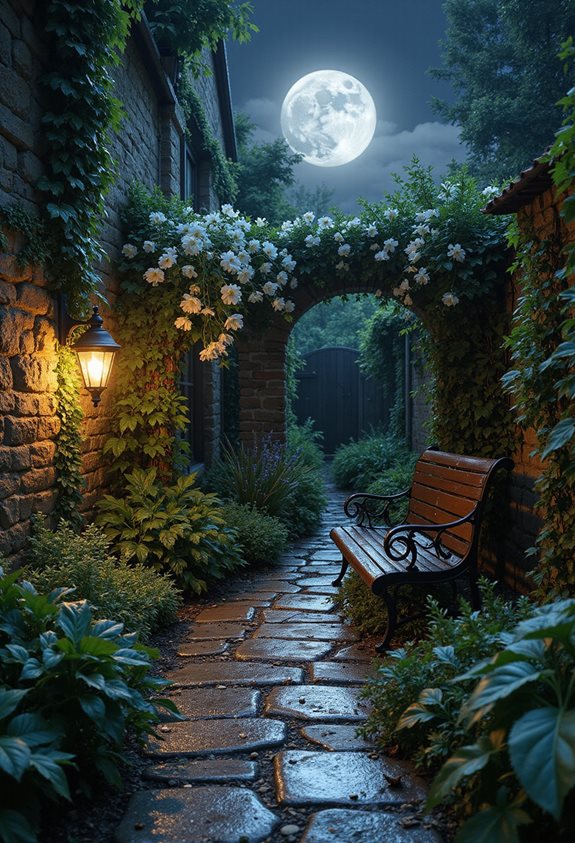
If you want your garden to sparkle after sunset, choose plants that actually bloom in the dark. You’ll love the glow and the sweet perfume that drifts through night air, turning ordinary beds into magical scenes.
- Moonflower – white, fragrant vines that open at dusk
- Evening primrose – bright yellow blossoms that close at sunrise
- Night phlox – deep purple clusters that scent the evening
- Four o’clock – pink blooms that awaken with the moon
Wildlife‑Friendly Garden Features
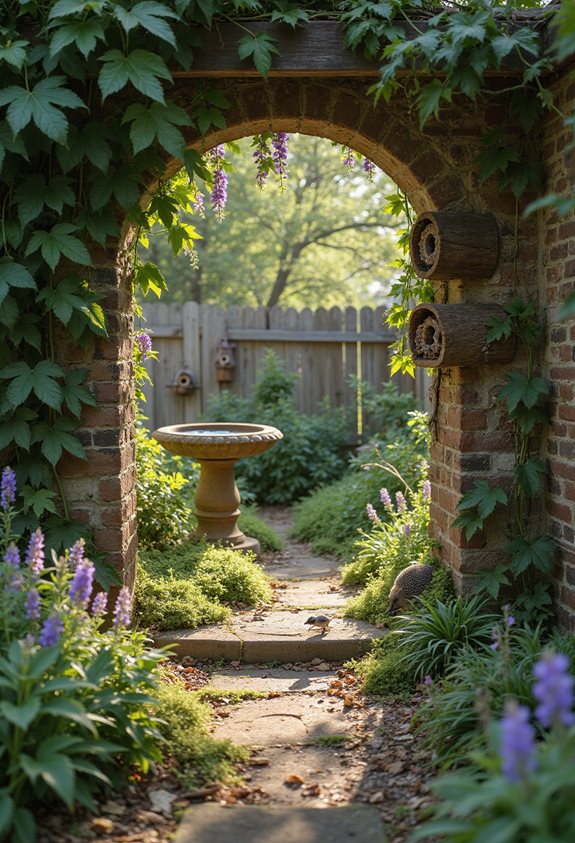
Because a garden that welcomes birds, bees, and even shy hedgehogs feels like a living storybook, you’ll want to add features that make it safe and inviting for wildlife.
Install shallow birdbaths, plant native shrubs, and scatter stone piles for hedgehogs.
Add low fences for rabbits, and hang wind chimes for curious sparrows.
Keep habitats simple, fun, and accessible. Additionally, incorporating native plants can significantly enhance the biodiversity of your garden.
Low‑Maintenance Perennial Mixes
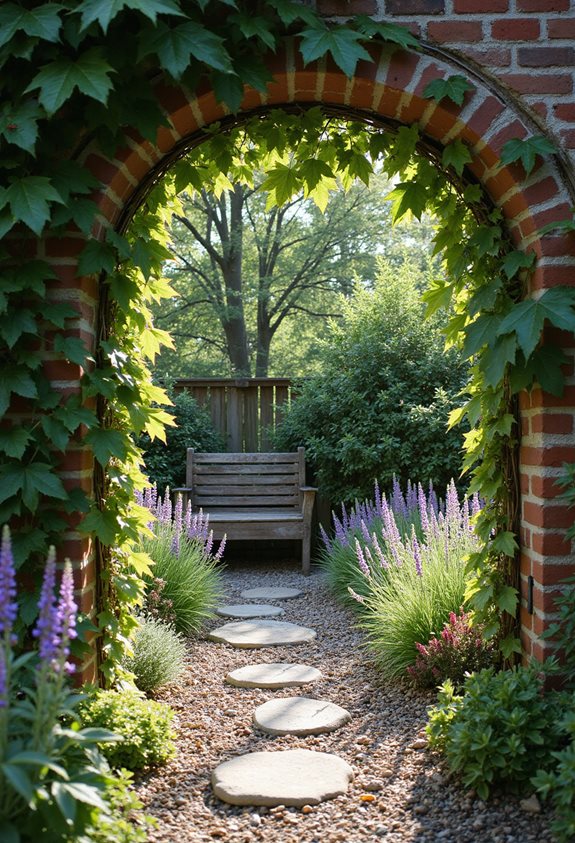
A low‑maintenance perennial mix is like a set‑and‑forget playlist for your garden, giving you color all season without the daily drama.
You’ll love how it thrives on minimal watering and occasional pruning, letting you enjoy blooms while you focus on other fun projects.
- Coreopsis for sunny, daisy‑like flowers
- Sedum for tough, succulent texture
- Lavender for soft purple spikes and scent
- Black-eyed Susan for bold, cheerful heads
Aromatic Herb Pathways
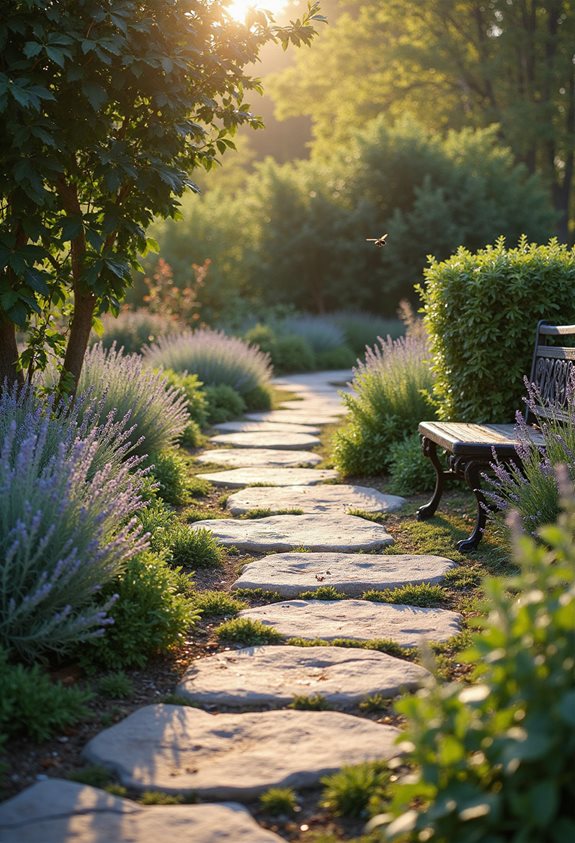
One simple way to turn a dull walkway into a fragrant adventure is to line it with aromatic herbs.
Plant rosemary, thyme, and mint in alternating rows, letting their scents mingle as you stroll. Water sparingly, trim regularly, and watch bees buzz past. Incorporating these herbs can also promote attracting pollinators to your garden space, enhancing the overall ecological value.
You’ll feel like a garden wizard, and neighbors will wonder why your path smells so amazing.
Small Space Container Gardens
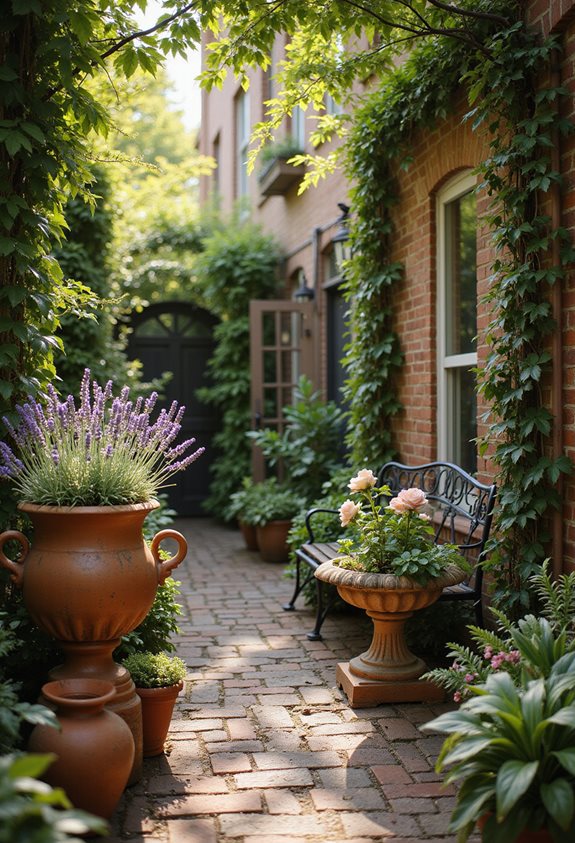
If you’ve got a tiny balcony or a cramped patio, don’t let the lack of space stop you from growing a garden—just grab a few colorful containers and get planting.
Choose lightweight pots, use vertical trellises, mix herbs with tiny veggies, and rotate plants for fresh harvests.
- Stackable tiered trays
- Hanging basket herbs
- Window‑sill dwarf tomatoes
- Recycled tin planters
Consider incorporating indoor hanging plants such as Pothos or Spider Plants to maximize growing space while adding dimension to your garden.
Rain Garden Installation Guide
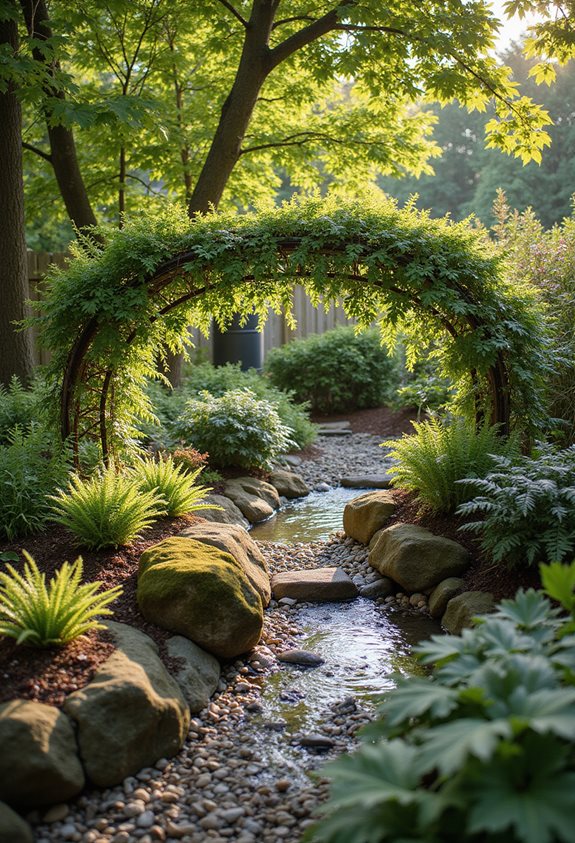
Two weeks of planning and a few shovels later, you’ll have a rain garden that not only looks great but also does the hard work of soaking up runoff.
Pick a low spot, dig a shallow basin, line it with gravel, then add a mix of native, water‑loving plants.
Mulch to keep weeds away, water initially, and watch the garden turn stormwater into a thriving, fragrant oasis.
Color‑Coordinated Plant Schemes
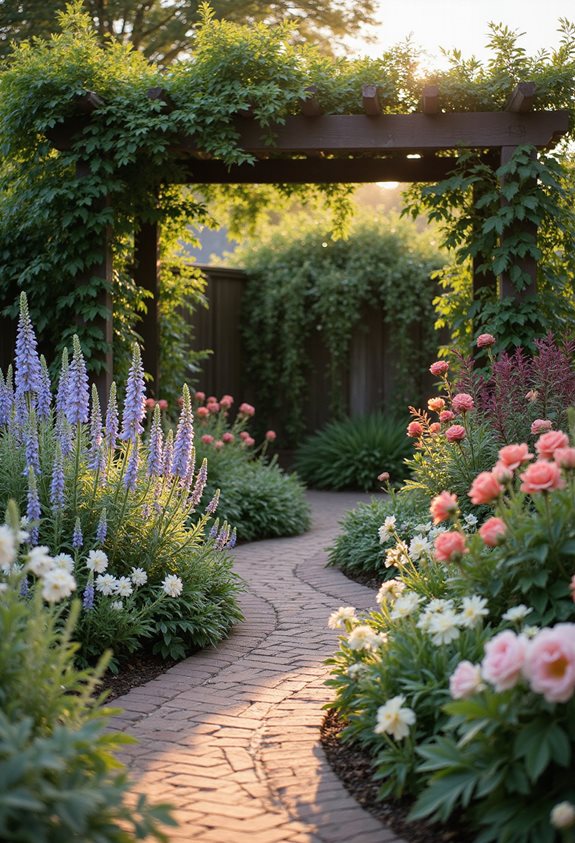
A splash of color can turn a functional rain garden into a backyard masterpiece, and you’ll love watching the hues blend as the seasons change.
You can pick palettes that reflect your personality, match nearby house paint, or echo the sky at sunrise. Mix textures, repeat shades, and keep the design balanced for a lively, cohesive look.
- Soft whites with deep blues
- Bright yellows paired with lavender
- Rich reds alongside cool greens
- Earthy oranges mixed with muted purples
Pollinator‑Attracting Flower Beds
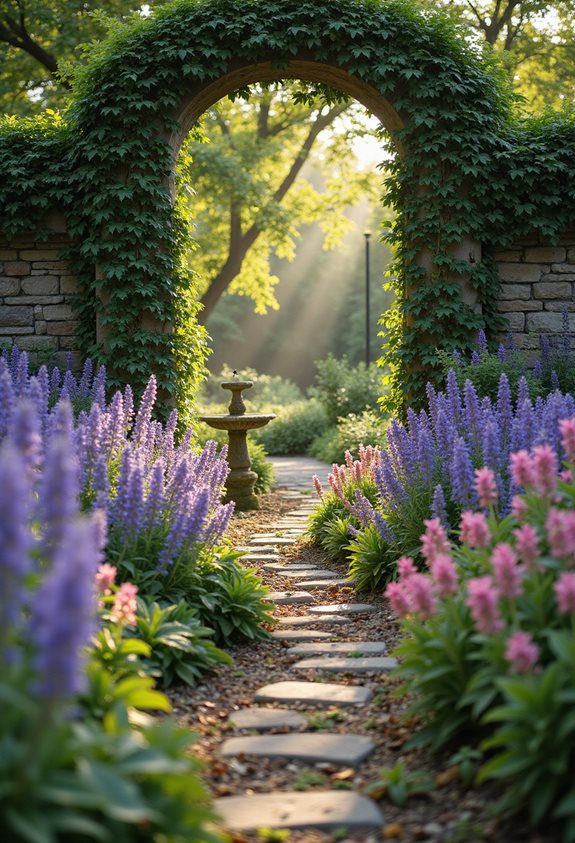
When you plant a pollinator‑attracting flower bed, you’re basically throwing a backyard party for bees, butterflies, and hummingbirds—no RSVP needed.
Choose bright marigolds, lavender, and milkweed; they love nectar and pollen.
Space the plants in clusters, water them regularly, and watch the buzzing visitors turn your garden into a lively, colorful dance floor. Adding diverse green plants will create a more welcoming environment for these crucial pollinators.
Happy pollinating!
Sustainable Mulching Techniques
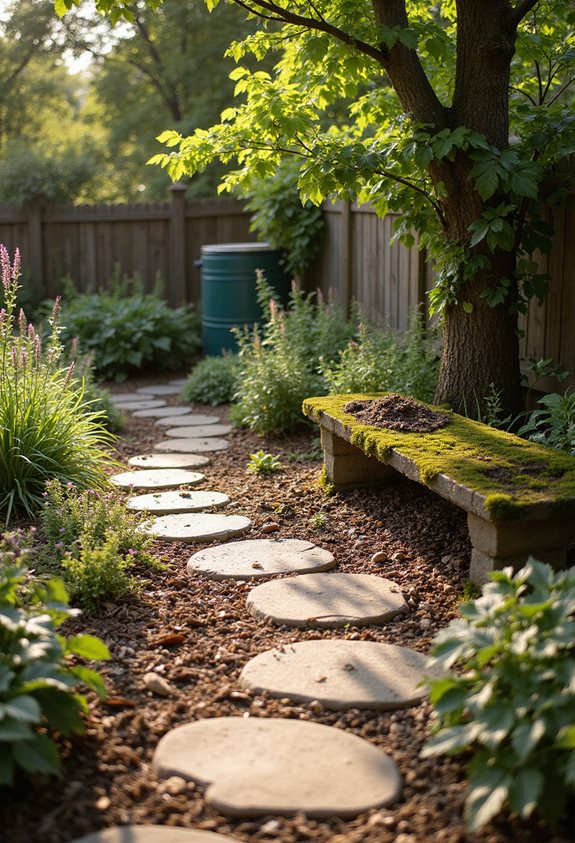
If you want your garden to stay healthy while cutting down waste, start with sustainable mulching.
You’ll keep soil moist, suppress weeds, and recycle nutrients, all while feeling like a planet‑hero.
Try these easy ideas:
- Shredded newspaper layers
- Coffee grounds mixed with compost
- Straw from local farms
- Wood chips from fallen branches
Shade‑Tolerant Plant Ideas
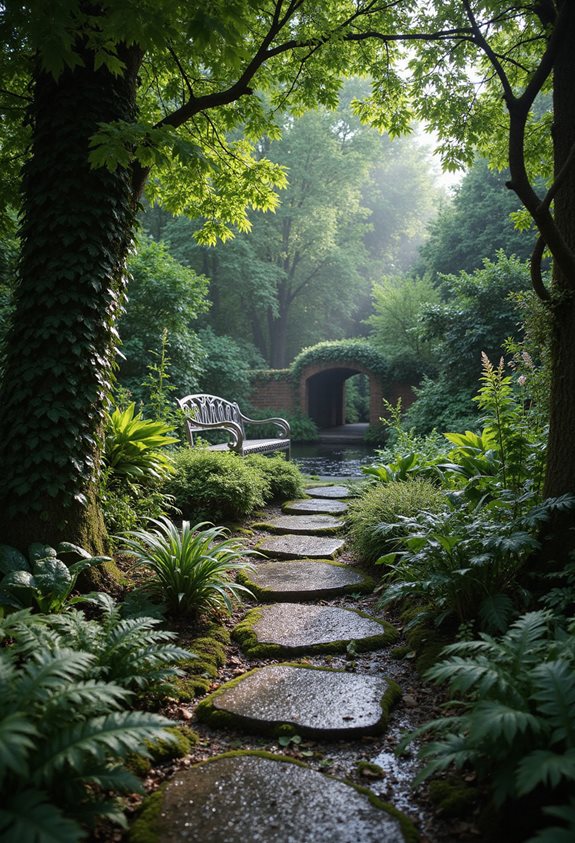
Because many garden spots stay cool and dim, you’ll need plants that thrive in the shade rather than wilt.
Try hostas with bold leaves, ferns that unfurl like tiny green fans, and astilbes that flash pink or white blossoms.
Add bleeding heart vines for a touch of romance, and consider Japanese forest grass for texture.
These hardy friends keep your shady corners lively and beautiful.
Garden Art and Sculptural Elements
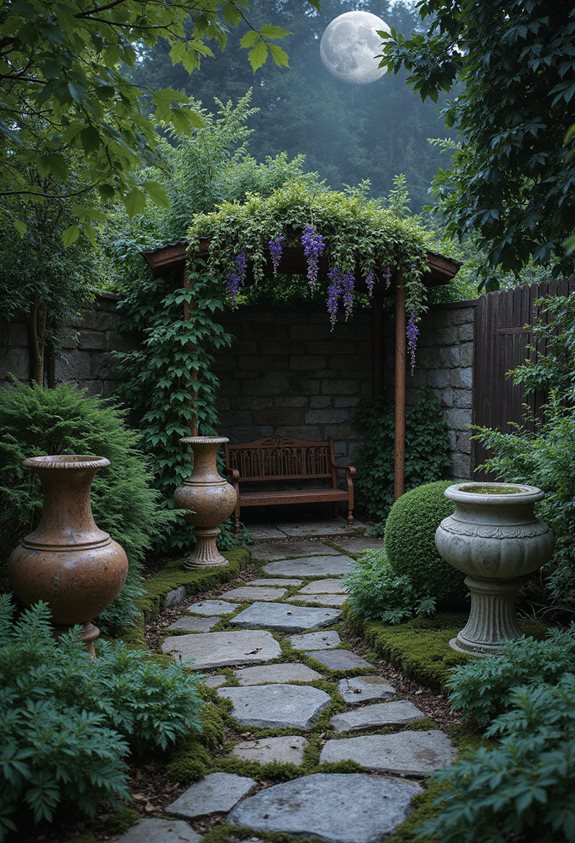
Even a tiny garden can feel like an outdoor gallery when you sprinkle in a few art pieces. You’ll notice how a bright wind chime catches breezes, or a painted stone adds a splash of color.
These touches turn ordinary beds into personal exhibitions, inviting neighbors to pause and smile.
- Hand‑painted garden stones
- Small metal wind sculptures
- Recycled glass bottle lights
- Whimsical garden gnomes
Seasonal Planting Calendars
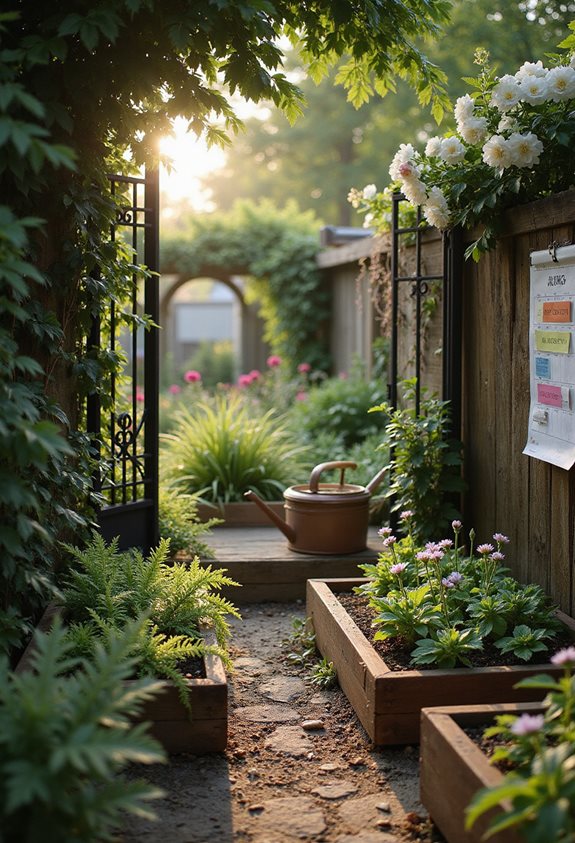
When spring rolls in, you’ll find the garden humming with life, and a planting calendar can turn that buzz into a clear plan.
Mark frost dates, then sow cool‑season veggies like lettuce and peas.
As summer warms, shift to tomatoes, peppers, and beans, which thrive in warm temperatures and need regular care.
In fall, plant garlic and kale before the first frost.
Keep notes, adjust for rain, and watch your garden thrive.
Herb Drying and Storage Tips
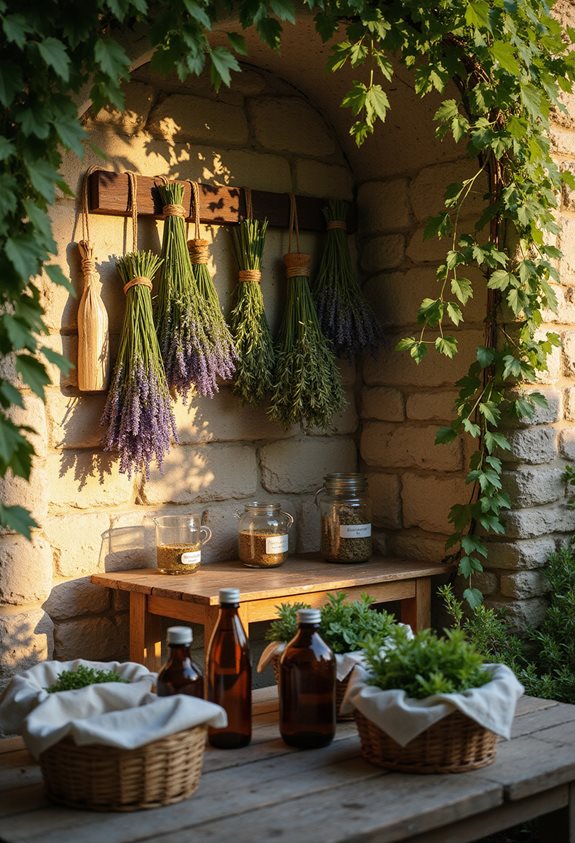
Ever wondered why your basil loses its punch after a few weeks? You probably stored it wrong.
Dry herbs in a warm, airy spot, then seal them airtight. Keep them away from sunlight and moisture to lock flavor. Trust these tricks, and your kitchen will smell like a fresh garden year‑round.
- Hang bundles upside‑down in a dry room
- Use a dehydrator on low heat
- Store in glass jars with a paper towel
- Keep in a cool, dark pantry. Additionally, consider using banana peel fertilizer to enhance the flavor of your herbs naturally.
Miniature Fairy Garden Creations
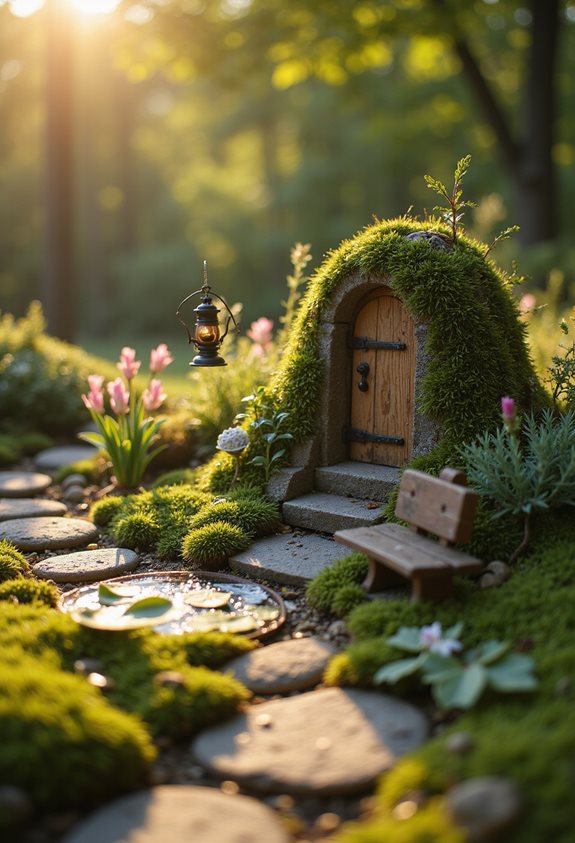
You’ve just mastered keeping herbs fresh, so why not let that green thumb sprout a tiny, magical world right on your balcony or windowsill?
Gather a shallow dish, sprinkle moss, place miniature houses, and add tiny bridges. Use pebbles for pathways, and sprinkle glitter for fairy dust.
Let your imagination guide you—watch the garden grow, and smile whenever a gnome appears.
Edible Landscape Integration
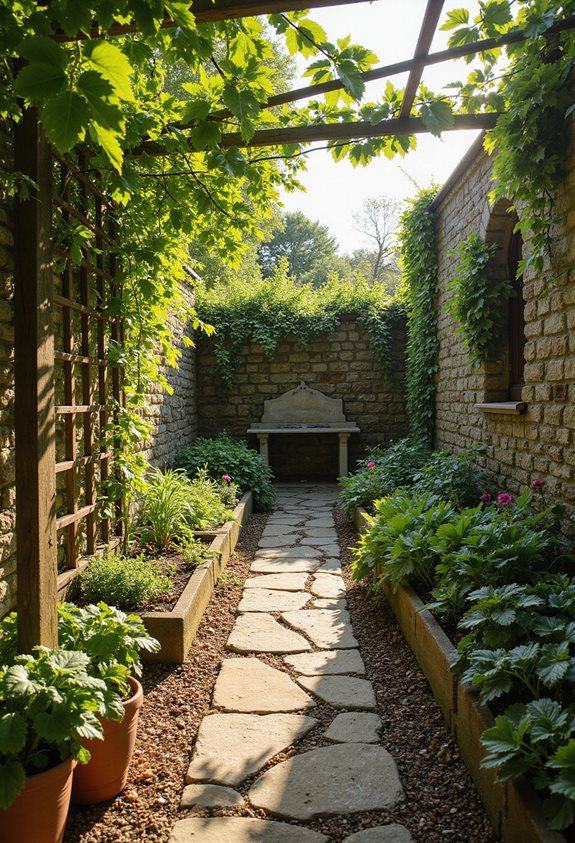
If you’ve ever wondered how to turn a plain balcony into a tasty adventure, start mixing edible plants right into your fairy garden’s layout.
You’ll watch herbs sprout beside tiny mushrooms, and fragrant strawberries peek from mossy nooks, making every step a snack‑filled story.
- Basil spirals weaving through stone paths
- Mini carrots popping up among pastel pebbles
- Lavender sprigs framing fairy doors
- Cherry tomato vines draping over wooden bridges
Consider integrating highly flavorful garlic to enhance your edible landscape, adding not only taste but also a unique touch to your garden.
Garden Lighting and Ambiance Ideas
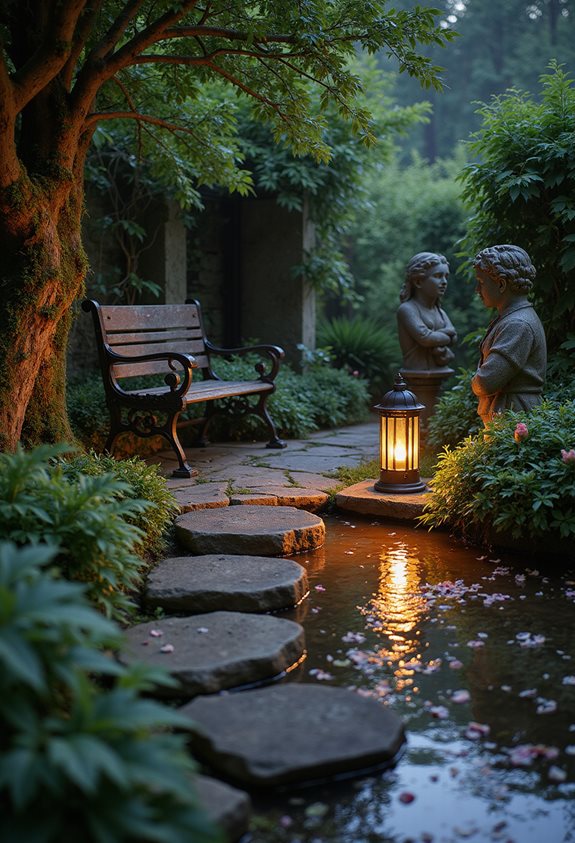
Your fairy garden already smells like fresh basil and strawberries, so why not let the evening glow make it feel magical, too?
Hang solar-powered fairy lights along the stone path; they flicker like fireflies. Place lanterns near the herb pots for soft amber warmth. Add a color‑changing LED stake beside the pond; it ripples hues as water moves.
Dimmer switches let you set cozy moods instantly.
Soil Improvement and Composting Methods
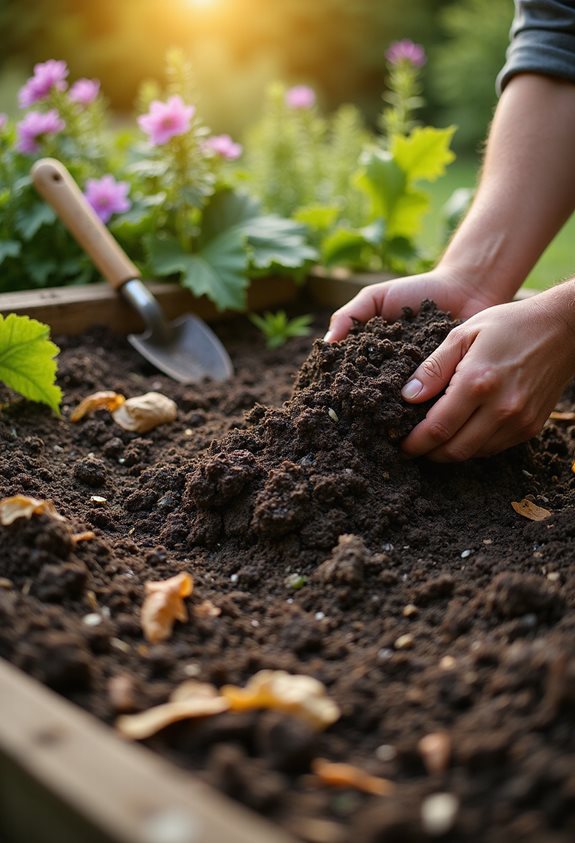
Sprinkling a handful of compost into your garden soil is like giving it a power‑up drink; it instantly boosts nutrients and improves texture.
You’ll see richer, looser earth that lets roots breathe and grow faster.
Try these simple tricks to keep your beds thriving:
- Mix shredded leaves with kitchen scraps weekly.
- Add coarse sand for better drainage.
- Rotate crops to balance nitrogen.
- Use worm castings for a nutrient punch.
DIY Garden Bench and Seating Plans
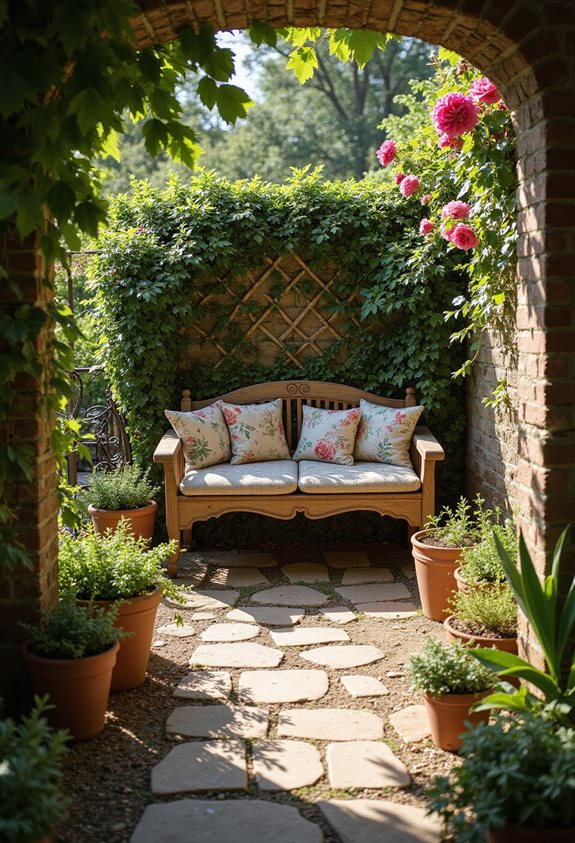
A sturdy garden bench can turn a simple backyard into a favorite hangout spot, and you don’t need a professional carpenter to make one.
Grab reclaimed pallets, sand them smooth, and stack them into a rectangular frame. Add a few sturdy legs, a slatted seat, and a splash of paint.
Now you’ve got a cozy perch for reading, chatting, or enjoying sunset vibes.
Garden Journal and Record‑Keeping Practices
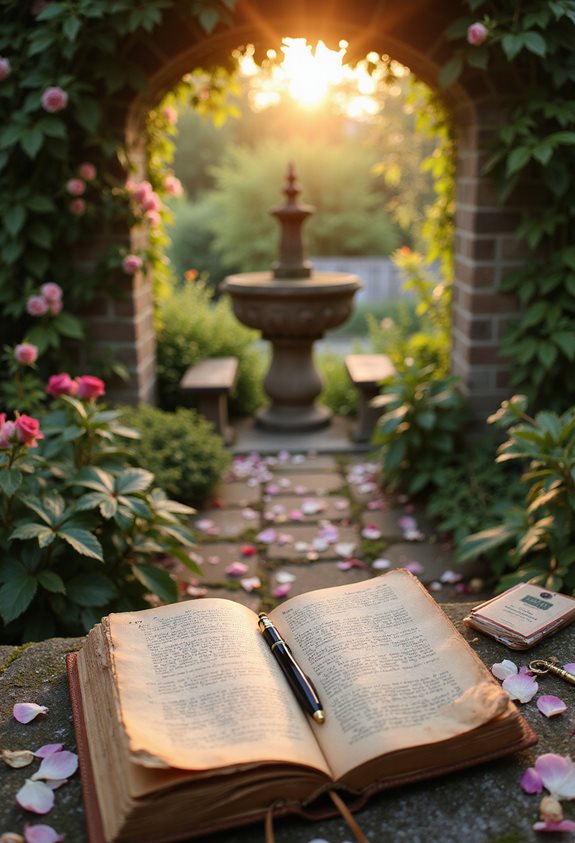
Keeping a garden journal is like giving your backyard a diary where every seed, sprout, and bloom gets a shout‑out. You’ll spot patterns, celebrate wins, and learn from mishaps while tracking weather, watering, and pests.
It turns chores into stories and helps you grow smarter each season.
- Note dates and weather
- Sketch plant layouts
- Record watering amounts
- Capture photos of progress