
You can turn your backyard into a mini‑apothecary with 20 easy‑to‑grow wild herbs that boost health and look great. Plant bright‑purple Echinacea for immunity, fragrant Lavender for calm, and fast‑spreading Peppermint for tea and rubs.
Add St. John’s Wort to deter aphids, soothing Chamomile for sleep, and hardy Comfrey for skin salves. Mix in Elderberry, Ginger, Turmeric and other low‑maintenance gems that attract pollinators and thrive in sunny or partially shaded spots.
Keep watering and pruning simple, and you’ll see a thriving, medicinal garden—keep going to discover the full list.
Echinacea (Purple Coneflower)
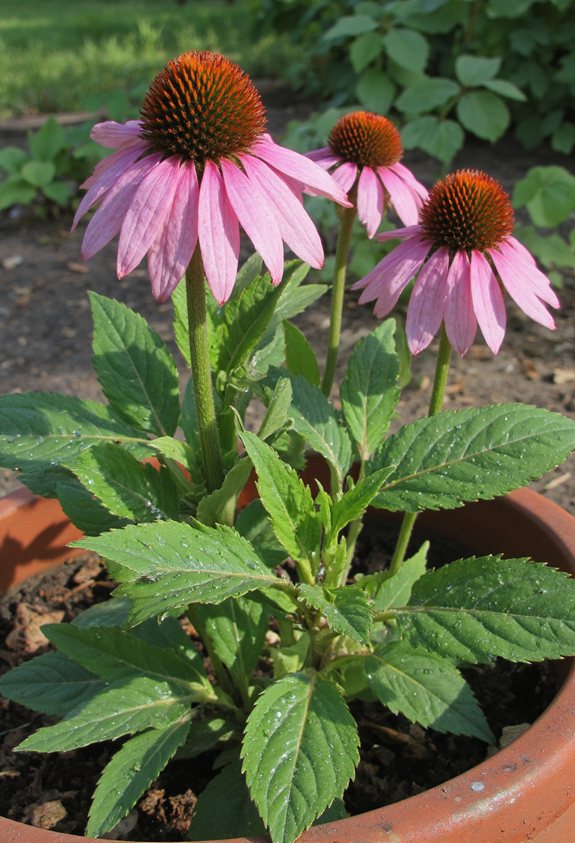
Even if you’ve never tended a garden before, planting Echinacea—also called purple coneflower—feels like a quick win.
You’ll spot its bright daisy‑like heads swaying in summer breezes, and they attract butterflies like a magnet.
The roots store immune‑boosting compounds, so you can brew tea after a cold.
Just water weekly, give it sunlight, and watch it thrive—no green‑thumb required. An outdoor garden can enhance your home’s beauty and productivity through creative outdoor designs.
Lavender (Lavandula)
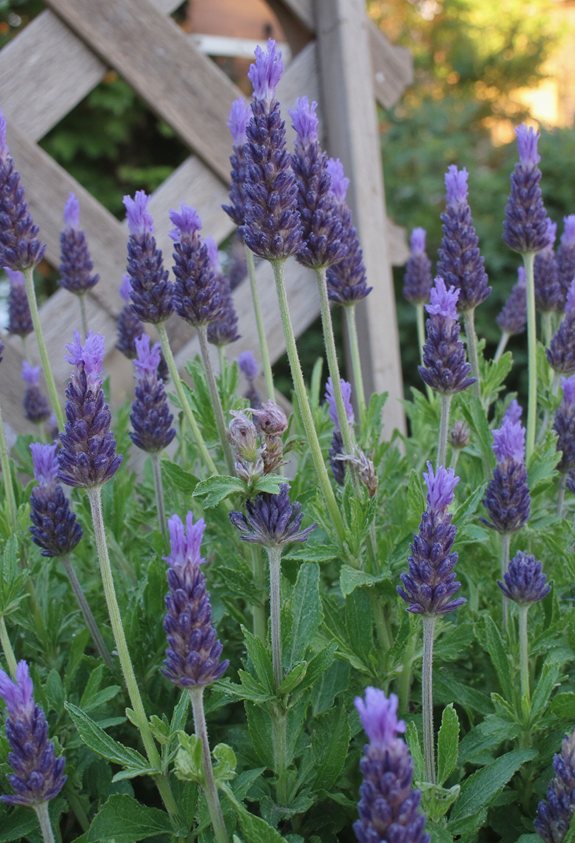
After the bright buzz of butterflies around your Echinacea, you’ll love how lavender brings a soothing scent and a splash of purple to the garden. Plant it in sunny, well‑drained soil, water sparingly, and prune after blooming to keep it tidy. Its calm aroma eases stress, and you can harvest buds for tea or homemade sachets—plus, it looks great next to your veggies. Additionally, lavender can create a cozy dining nook atmosphere when arranged thoughtfully in your home, enhancing both style and functionality.
Peppermint (Mentha × Piperita)
Ever tried planting something that smells like a fresh breath of cool air?
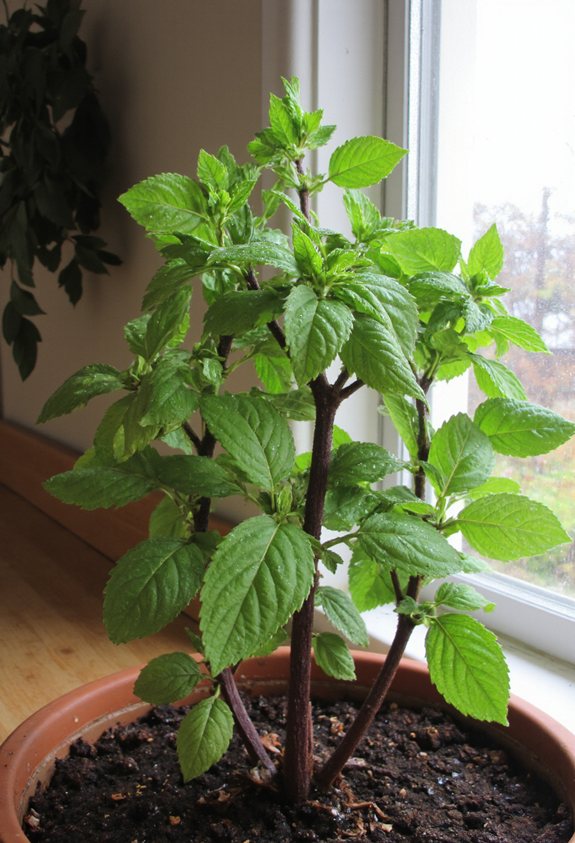
Peppermint thrives in a sunny windowsill or garden bed, spreading fast with its bright green leaves and minty aroma.
Water it regularly, but don’t drown it—peppermint loves moist soil.
Snip stems for tea, salads, or soothing rubs.
Its scent can even deter pests, making your home garden both tasty and practical. Additionally, using vertical space like wall-mounted organizers can enhance your gardening experience by keeping tools easily accessible.
St. John’s Wort (Hypericum Perforatum)
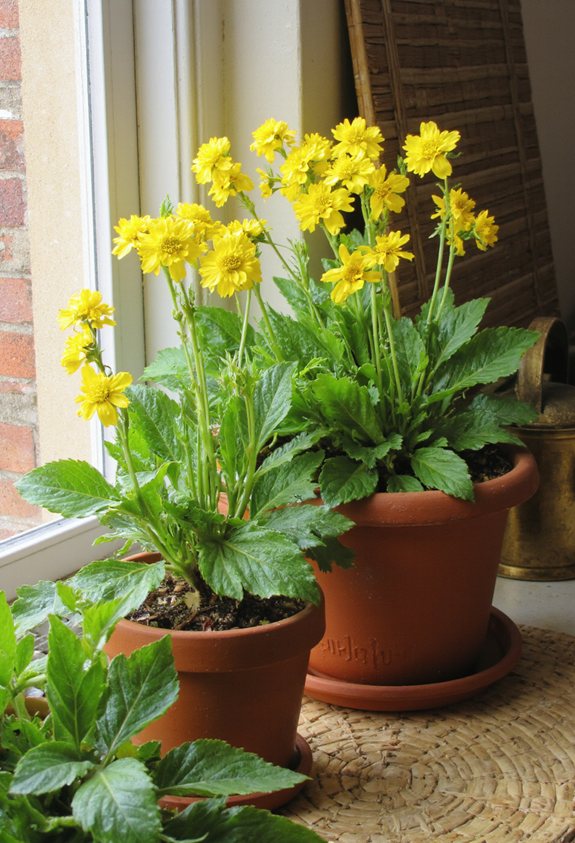
Curious about a bright yellow flower that can boost your mood and fend off garden pests?
St. John’s Wort thrives in sunny spots, and its cheerful blossoms attract pollinators while deterring aphids. You can harvest the leaves for gentle tea that eases occasional sadness. Just pinch a few stems, dry them, and sip slowly—your backyard becomes a tiny, happy pharmacy. Additionally, growing St. John’s Wort in your garden provides quick harvests that can enhance your overall gardening experience.
Chamomile (Matricaria Chamomilla)
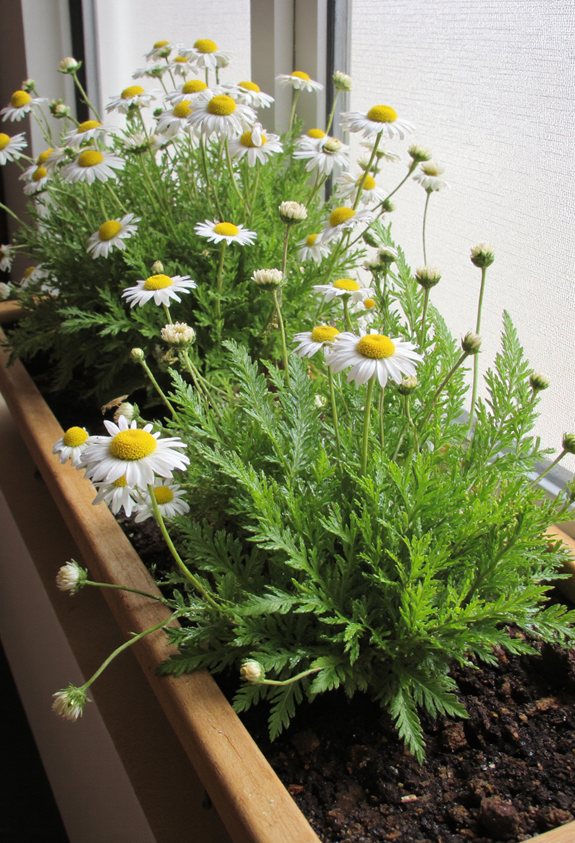
St. John’s Wort’s sunny sparkle makes way for another garden favorite: chamomile, the soft‑white, daisy‑like herb that smells like a warm cup of tea.
You can sow seeds in spring, watch tiny buds unfurl, and harvest flowers for soothing tea or skin balms. To create an inviting atmosphere for your herbal garden, consider using a balanced rainbow of spring hues to brighten your planting area.
- Plant in well‑drained soil, full sun.
- Water lightly; avoid soggy roots.
- Harvest when buds are fully open for best flavor.
Lemon Balm (Melissa Officinalis)
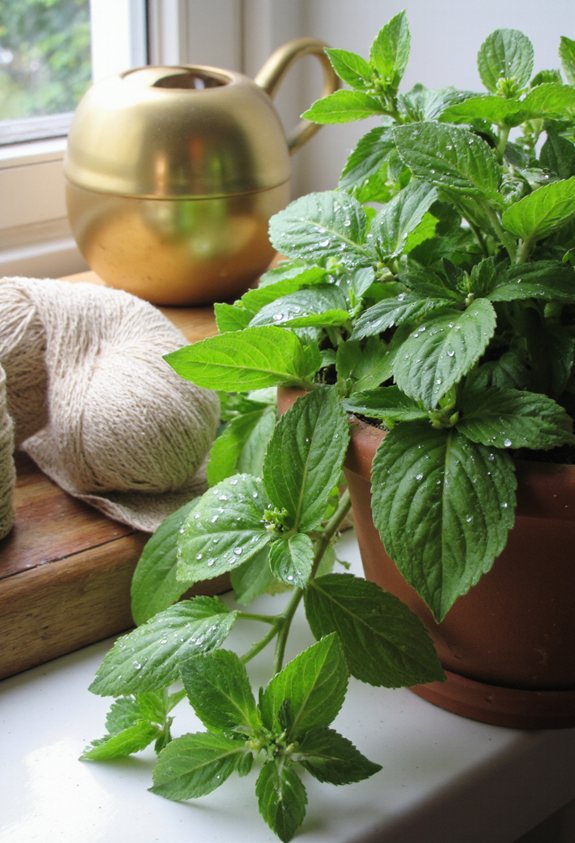
Ever wondered why lemon balm’s bright, citrusy scent can turn a regular backyard into a soothing tea‑shop?
You’ll love how easy it grows—just plant it in moist soil, give it partial sun, and trim regularly.
The leaves brew a calming tea, ease stress, and even chase mosquitoes.
Harvest in the morning for strongest flavor, and share the fresh aroma with friends. Additionally, incorporating low-maintenance perennials in your garden can enhance its aesthetics while requiring minimal effort.
Sage (Salvia Officinalis)
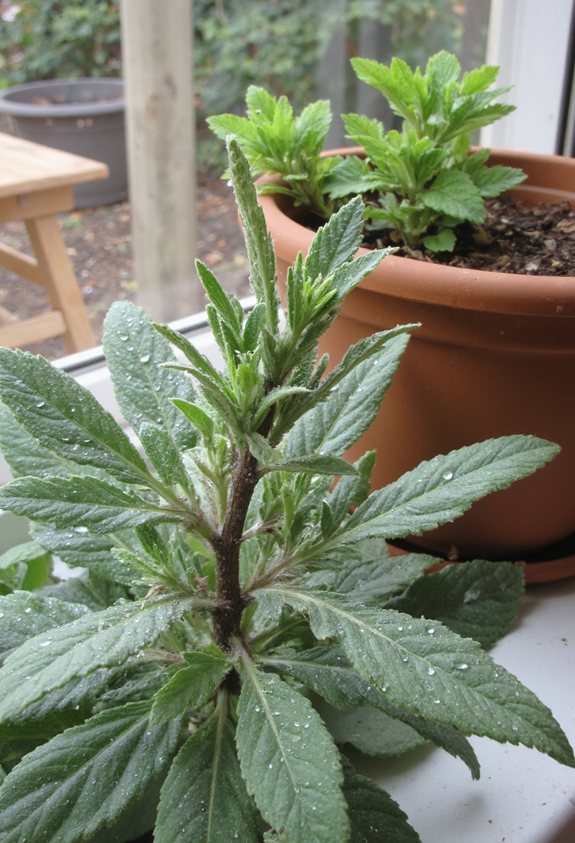
Imagine stepping into your garden and being greeted by the earthy, slightly peppery aroma of sage—it’s like nature’s own kitchen spice rack.
You’ll notice its silvery leaves, their scent soothing your mind while you harvest for tea or seasoning.
- Plant in well‑drained soil, full sun.
- Trim regularly to keep growth tidy.
- Use dried leaves for calming tea or fresh sprigs in soups. Additionally, sage is known for its anti-inflammatory properties which can enhance its medicinal benefits.
Garlic (Allium Sativum)
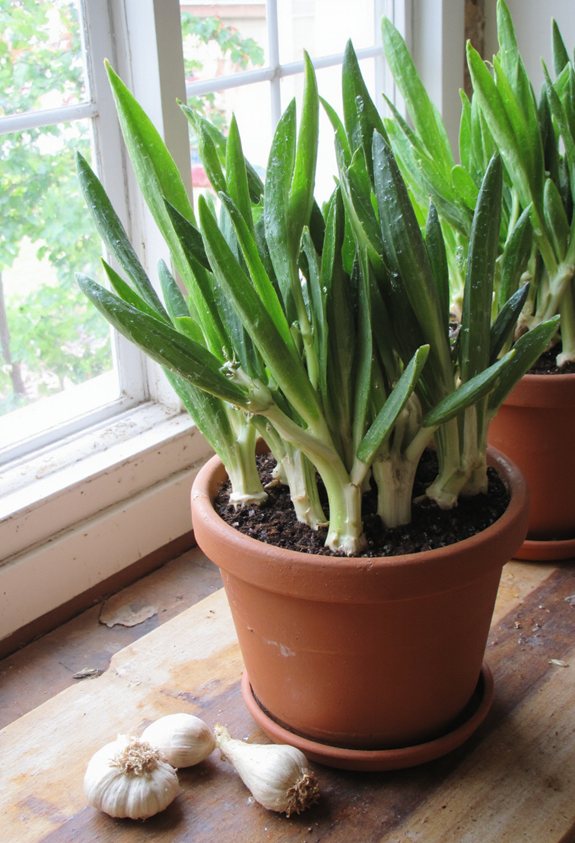
When you plant garlic in your backyard, the first thing you’ll notice is the sweet, earthy scent that rises from the soil as the cloves settle in, promising a harvest that’s both tasty and therapeutic. You’ll space the bulbs sprout green shoots, then dig them up in late summer. Slice them raw for immune boosts, or roast them for soothing soups—plus, they keep pests away, making your garden a natural fortress. Additionally, garlic can deter pests that might threaten other crops in your raised bed garden.
Aloe Vera (Aloe Barbadensis Miller)
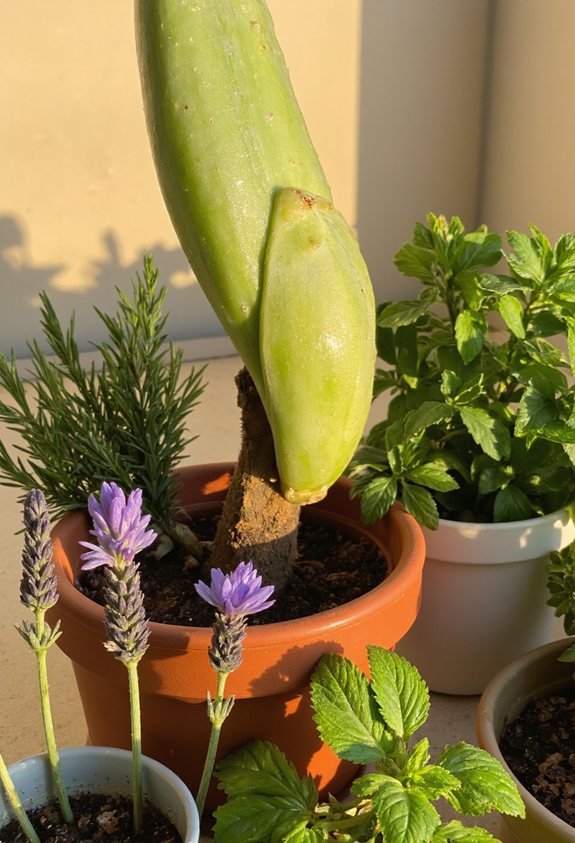
After savoring garlic’s punchy flavor, you’ll find that aloe vera brings a whole new kind of soothing to your garden.
Its fleshy leaves store gel that cools sunburns, eases insect bites, and hydrates skin after a long day.
You’ll love watching the green spikes grow, and the plant thrives with minimal care. Additionally, both garlic and aloe vera can be grown with minimal maintenance to allow for easy cultivation.
- Plant in bright, indirect light.
- Water sparingly; let soil dry between drinks.
- Harvest leaves when thick, then slice for gel.
Yarrow (Achillea Millefolium)
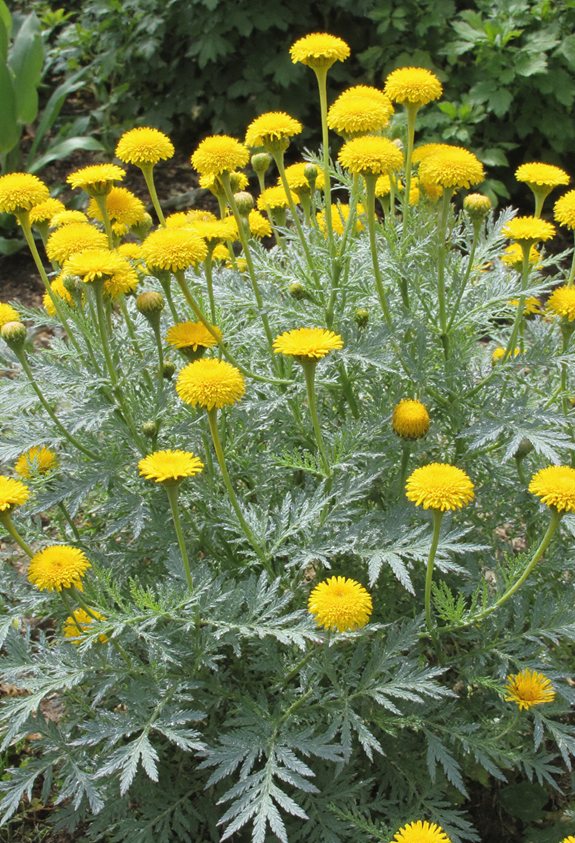
If you’re looking for a hardy, aromatic herb that can turn any backyard into a mini‑pharmacy, yarrow’s the perfect pick.
You’ll love its feathery, fern‑like leaves and bright yellow clusters that attract bees.
Plant it in sunny spots, water sparingly, and watch it bounce back after frost.
Use fresh stems for soothing cuts, or dry them for tea that eases colds.
It’s low‑maintenance, versatile, and surprisingly rewarding. Additionally, consider pairing yarrow with companion plants like tomatoes or carrots to enhance growth and pest management in your garden.
Valerian (Valeriana Officinalis)
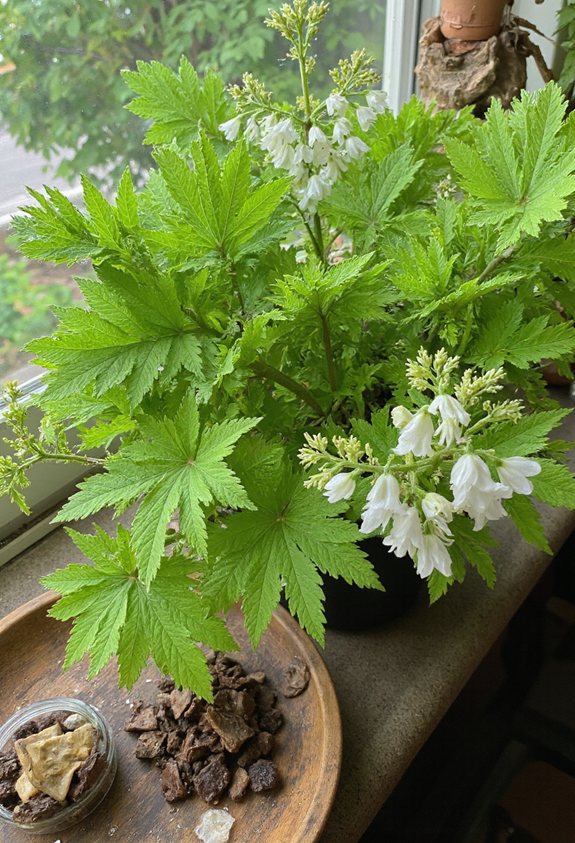
Ever wondered why some gardens smell like a calm bedtime story?
Valerian’s sweet, earthy scent drifts from its pink‑white blossoms, inviting you to unwind after homework.
Its roots brew a soothing tea that eases sleeplessness, and the plant thrives in partial shade, making it perfect for balcony pots.
- Plant in moist, well‑drained soil.
- Harvest roots after two years for maximum potency.
- Use dried leaves as a natural pillow sachet.
Marshmallow (Althaea Officinalis)
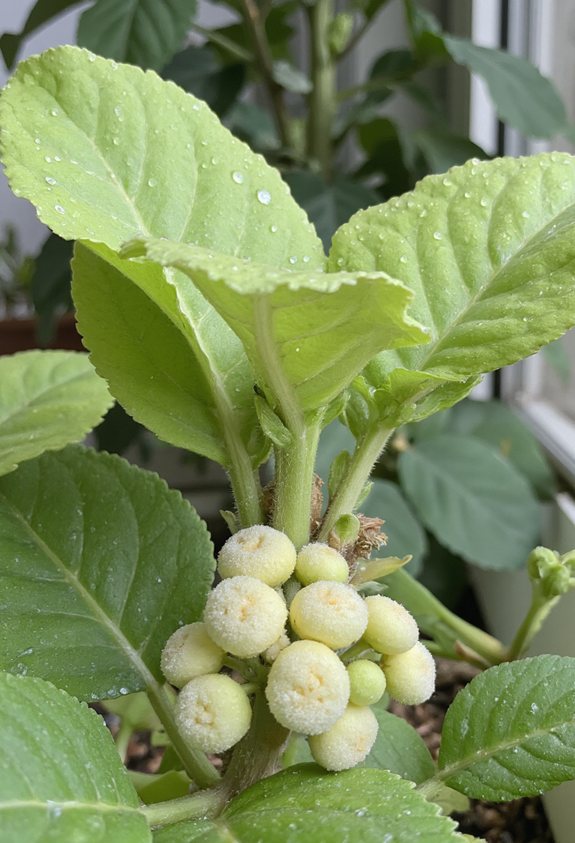
Ever wondered why a fluffy, sweet‑scented plant can turn a boring backyard into a cozy tea‑shop?
You’ll love growing marshmallow, Althaea officinalis, for its soft, pink buds and soothing tea.
Plant it in moist soil, water regularly, and watch the airy stems rise.
Harvest the blossoms, steep them, and enjoy a gentle, cough‑relieving drink that feels like a warm hug.
Dandelion (Taraxacum Officinale)
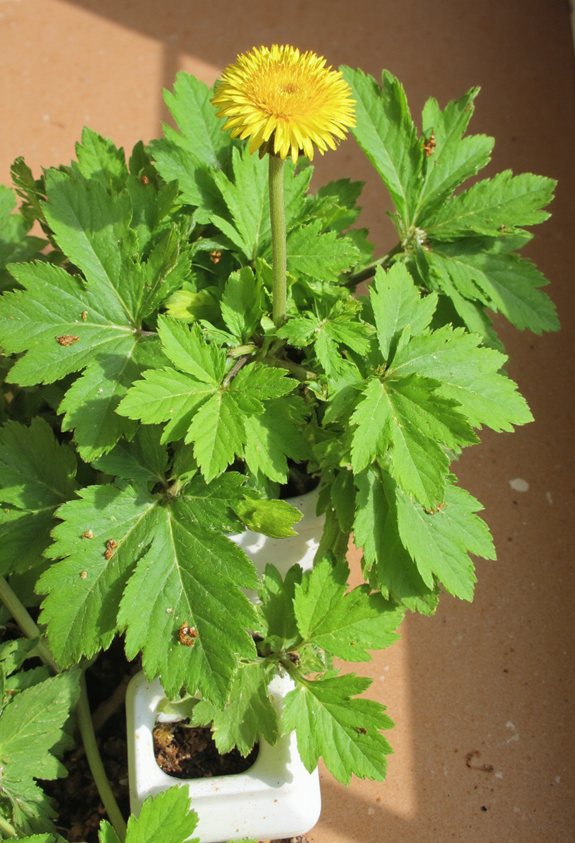
Why not turn those common lawn weeds into a kitchen treasure? Dandelion’s bright yellow heads and bitter‑sweet leaves boost digestion, support liver health, and provide a vitamin‑rich tea.
You’ll love the fresh flavor and the garden’s new star.
- Harvest early‑morning leaves for salads.
- Roast roots for a coffee‑like brew.
- Make a soothing honey‑lemon tea.
Feverfew (Tanacetum Parthenium)
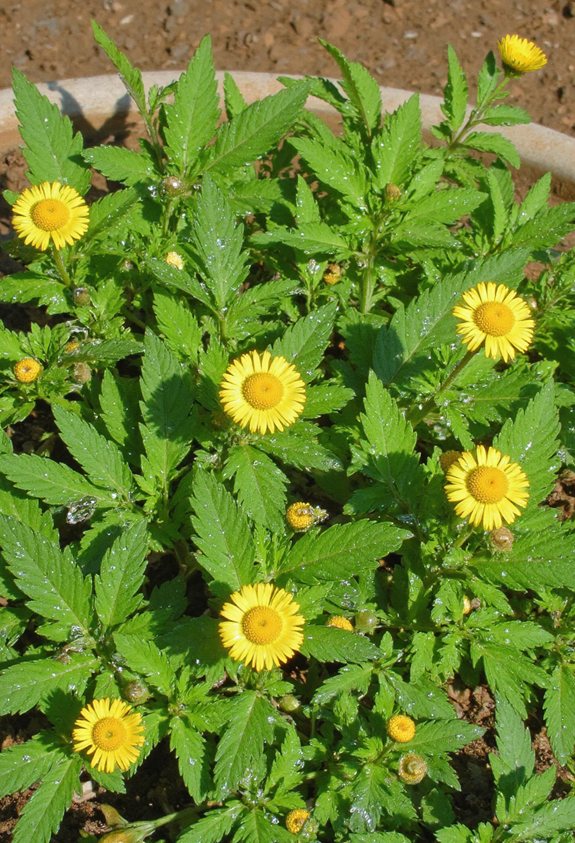
When you spot the feathery, yellow‑gold flowers of feverfew swaying in a sunny patch, you might think they’re just another garden weed, but they’re actually a tiny powerhouse for easing headaches and fevers.
Plant them in well‑drained soil, water lightly, and harvest the leaves before they flower.
Brew a tea, and feel the soothing relief spread through your thoughts, turning a simple garden habit into a natural remedy.
Calendula (Calendula Officinalis)
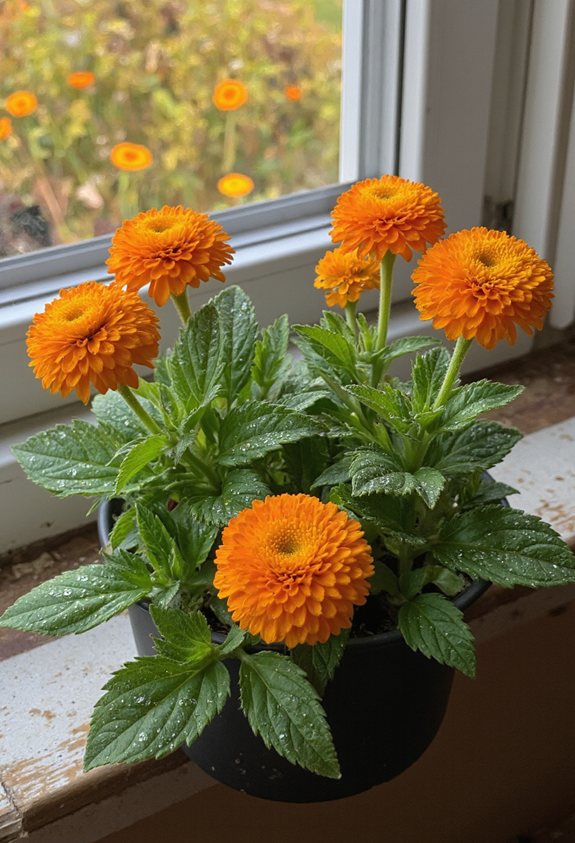
If you’ve ever wondered why garden beds look brighter with orange‑yellow blossoms, it’s probably because you’ve got calendula growing nearby.
You’ll notice its petals soothing sunburns, easing cuts, and calming inflamed skin.
It thrives in sunny spots, needs little water, and spreads joy like a cheerful neighbor.
- DIY soothing salve
- Antiseptic tea rinse
- Natural skin toner
Nettle (Urtica Dioica)
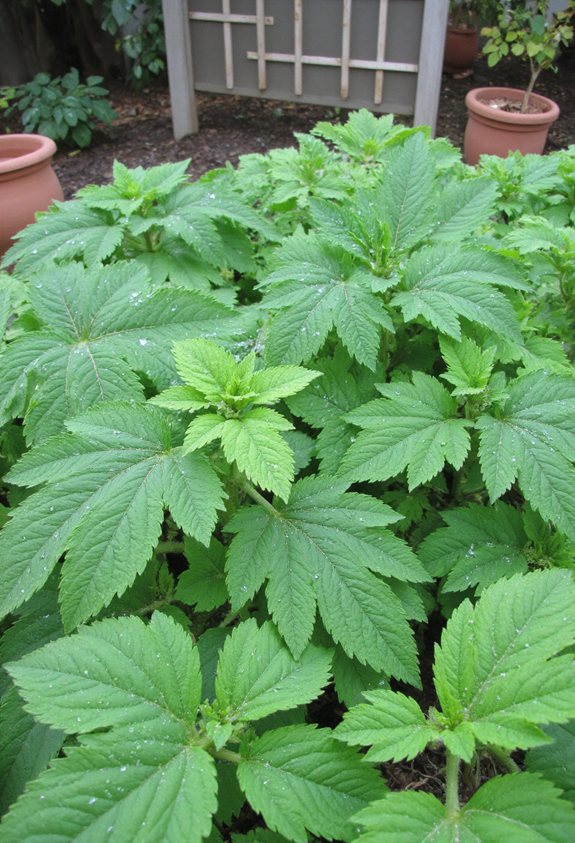
After enjoying the sunny cheer of calendula, you might notice a spiky green plant popping up in the same patch— nettle, or Urtica dioica.
You’ll feel a tingling pinch if you touch its tiny hairs, but it’s a powerhouse for tea, soups, and skin salves.
Harvest early, wear gloves, and rinse well; the leaves turn bright, nutrient‑rich greens that boost iron and calm inflammation.
Comfrey (Symphytum Officinale)
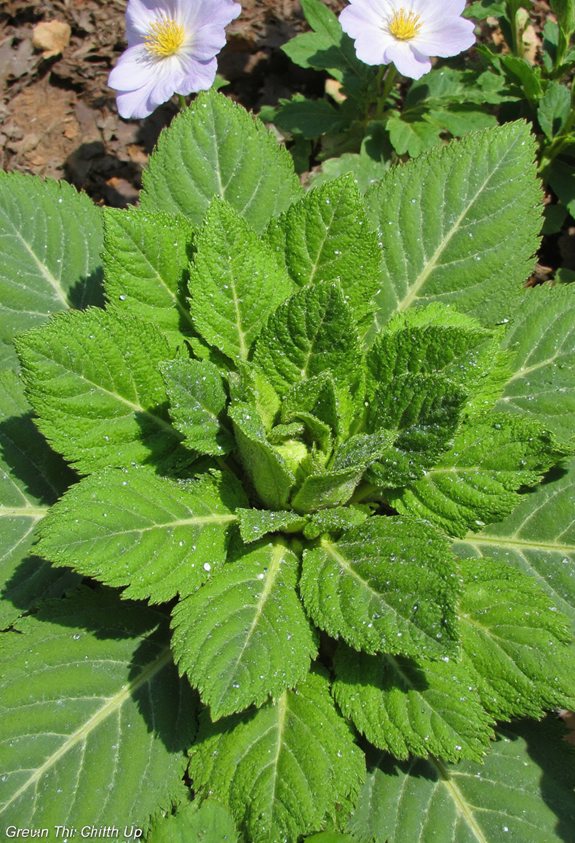
Even though comfrey looks like a humble, fuzzy‑leafed garden weed, it’s actually a powerhouse for DIY healers. You’ll love how fast it spreads, how its leafy stems make soothing poultices, and how the roots boost compost.
- Harvest leaves for skin salves.
- Brew root tea for bone support.
- Use chopped stalks as a nitrogen‑rich mulch.
Elderberry (Sambucus Nigra)
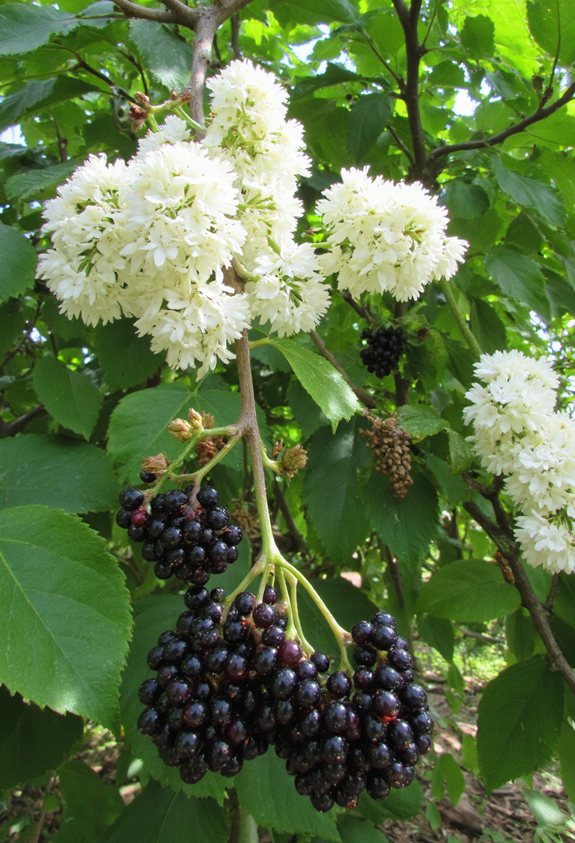
When you plant elderberry bushes, you’ll quickly notice their dark, glossy leaves and those fluffy white flower clusters that look like tiny, cotton‑candy puffs.
The blossoms attract bees, and later you’ll harvest dark berries that taste sweet‑tart.
Brew them into soothing tea or jam, and remember: a little pruning each season keeps the plant productive and your garden lively.
Ginger (Zingiber Officinale)
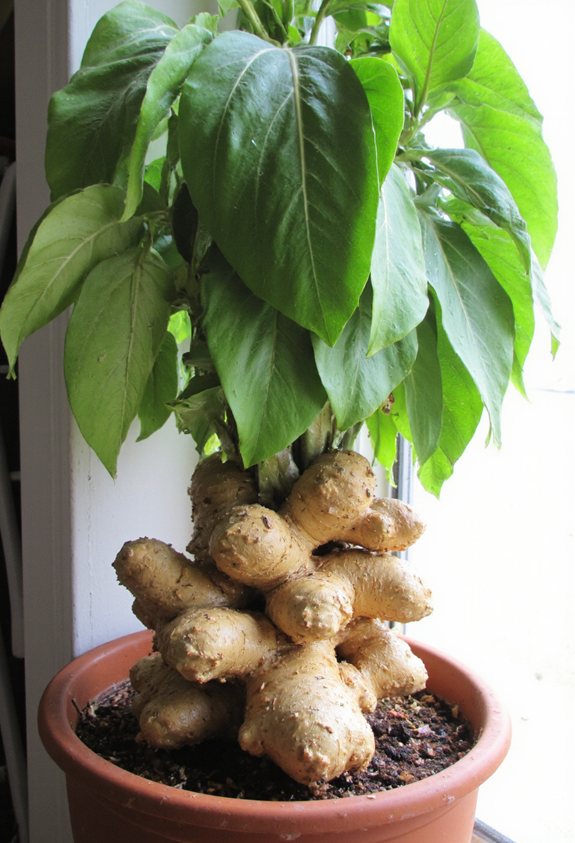
If you’ve ever wondered why your kitchen smells like a tropical market, it’s probably because ginger is thriving in your garden. You’ll love its peppery zing, easy care, and quick harvest. It boosts digestion and eases colds, plus it looks cool in a pot.
- Plant rhizomes in rich, well‑draining soil.
- Water regularly, but avoid soggy roots.
- Harvest by digging up the root after 8‑10 months.
Turmeric (Curcuma Longa)
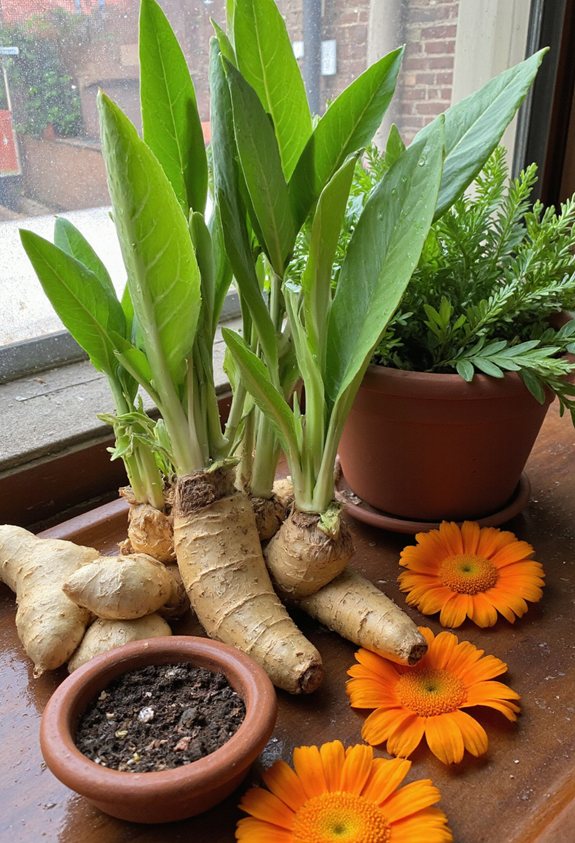
Turmeric, the bright‑orange root that turns curries into sunshine, thrives in a sunny spot with well‑draining soil—just like a happy houseplant that loves a good soak but hates soggy feet.
Plant it in a pot, water lightly, and watch its leafy stems rise.
Harvest the rhizomes after a few months, then dry and grind them for anti‑inflammatory tea.
Your kitchen’ll smell like sunshine, and you’ll feel like a culinary wizard.