Start your garden in January by sowing basil, cilantro, and parsley indoors, keeping the soil moist and the windows sunny. In February, seed peas, carrots, and radishes on a sunny sill, misting daily and using a short blackout to boost germination.
March calls for direct‑sowing radishes, carrots, and lettuce outdoors as the frost thaws. April, plant beans, beets, and early potatoes in rows, mulching to retain moisture. By May, transplant tomatoes, peppers, and herbs into raised beds, supporting the vines.
Keep watering early, use shade cloths for heat, and rotate crops each year to dodge pests and enrich soil. Stick around and you’ll discover even more tips for harvesting, storage, and budget‑friendly seed saving.
How to Use This Planting Calendar for Your Zone
Ever wondered how to match your garden’s schedule to your climate zone?
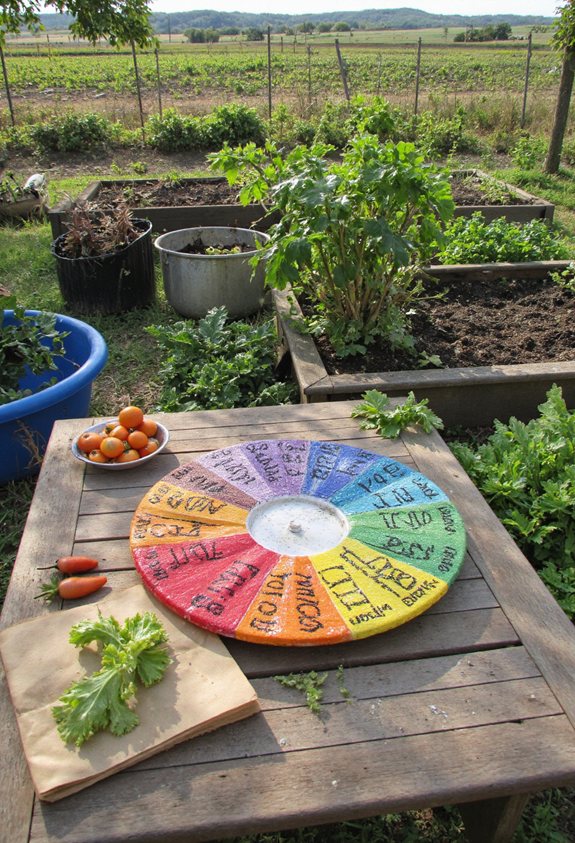
First, locate your USDA zone on the map, then flip to the month that aligns with your frost dates.
Mark the veggies that thrive in your temperature range, and note when to sow indoors or outdoors.
Use the calendar like a recipe, adjusting for rain or sunshine, and watch your garden flourish. Remember that June is ideal for planting heat-loving plants like tomatoes and peppers in Zone 10.
January: Start Indoors With Early Herbs and Leafy Greens
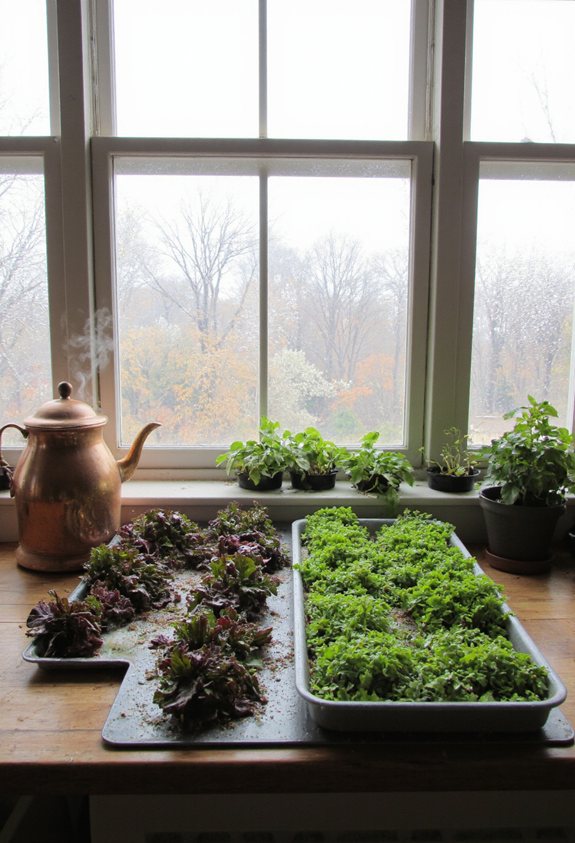
When January’s chill still lingers, you can kick off your garden by sowing herbs and leafy greens inside the house.
Grab a seed tray, fill it with light soil, and sprinkle basil, cilantro, or parsley seeds.
Cover lightly, keep the soil moist, and place the tray near a sunny window.
In a few weeks, tiny green shoots will emerge, promising fresh flavor for your winter meals. Additionally, ensuring proper planning for indoor gardening can enhance your planting success.
February: Seed Peas and Cool‑Season Roots Inside
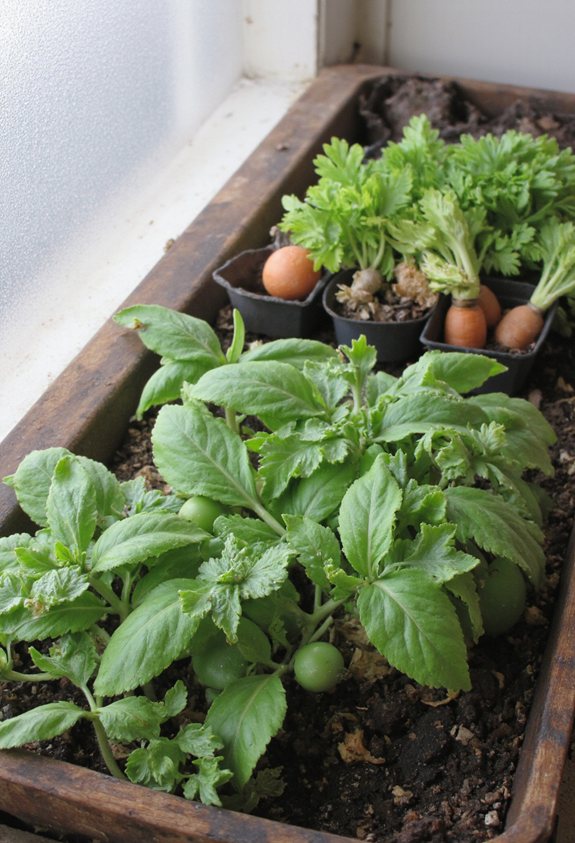
Even though the weather’s still frosty, February’s perfect for getting peas and cool‑season roots started inside.
You’ll sow pea seeds in a sunny windowsill tray, keeping soil moist but not soggy.
Plant carrot and radish seeds shallowly, cover lightly, and label each pot.
Warm water, gentle misting, and a daily check‑in keep seedlings happy until frost thaws. Implementing a blackout period during the initial stages can enhance germination and promote healthier seedling growth.
March: Direct‑Sow Radishes, Carrots, and Lettuce Outdoors
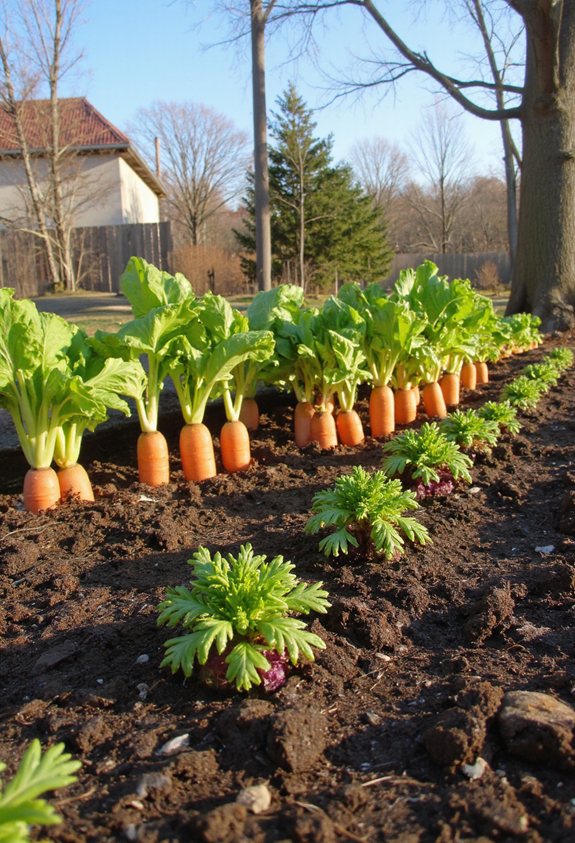
By the time March rolls in, the frost is loosening its grip and your garden beds are ready for a hands‑on session.
Direct‑sow radish seeds in rows, thin them later, and watch them pop up fast.
Carrots need deeper planting; keep the soil loose so roots grow straight.
Lettuce prefers cool soil, so sow thinly, keep it moist, and enjoy quick, crunchy harvests. Utilizing vertical space can also help create dedicated areas for your gardening tools, making your planting process even smoother.
April: Plant Beans, Beets, and Early Potatoes in the Ground
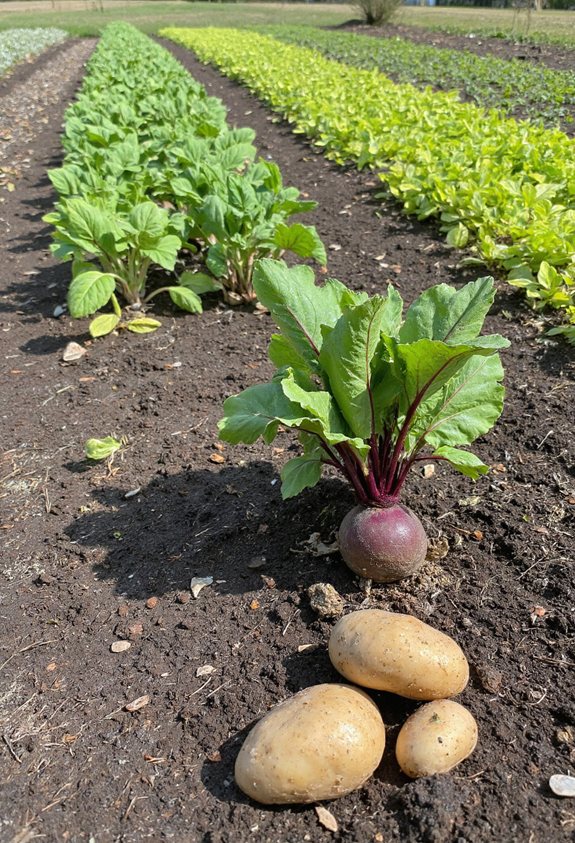
If you’re ready to get your garden buzzing, April’s the perfect month to toss beans, beets, and early potatoes into the soil.
Plant beans about two inches deep, spacing rows four feet apart, then thin seedlings later.
Sow beets in shallow furrows, covering lightly.
Dig early potatoes shallow, covering with a thin mulch.
Keep soil moist, and watch sprouts push up, promising fresh harvests. Additionally, ensure your soil pH is within the ideal range of 6.0 to 6.8 for optimal plant health.
May: Transplant Tomatoes, Peppers, and Warm‑Season Herbs
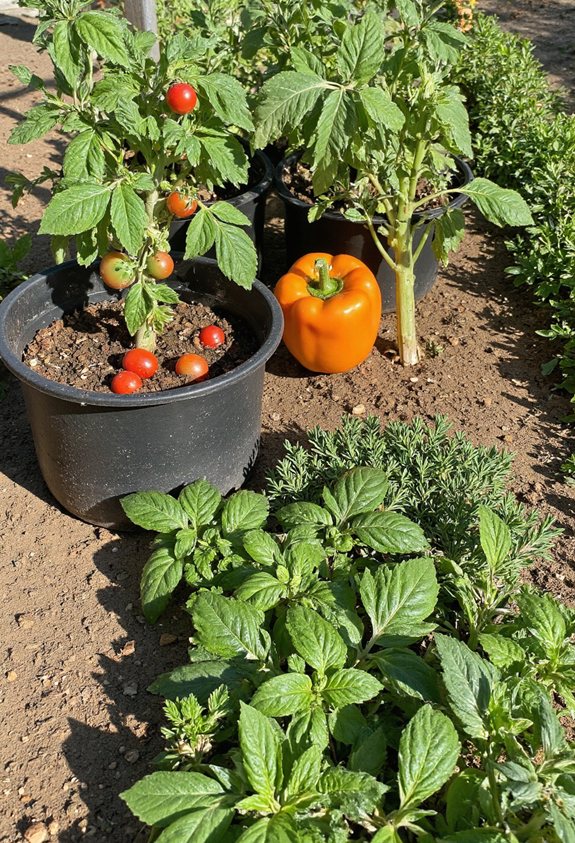
After April’s beans and beets start pushing through the soil, May brings a new batch of garden heroes that need a little extra love.
You’ll dig out tomato seedlings, give them deeper holes, and gently firm the soil around roots.
Do the same with peppers and basil, oregano, or thyme—keep them moist, protect from late frosts, and watch them thrive. Remember to provide sturdy support for the tomatoes to prevent them from falling over as they grow tall.
June: Sow Summer Squash, Cucumbers, and Basil for Quick Harvests
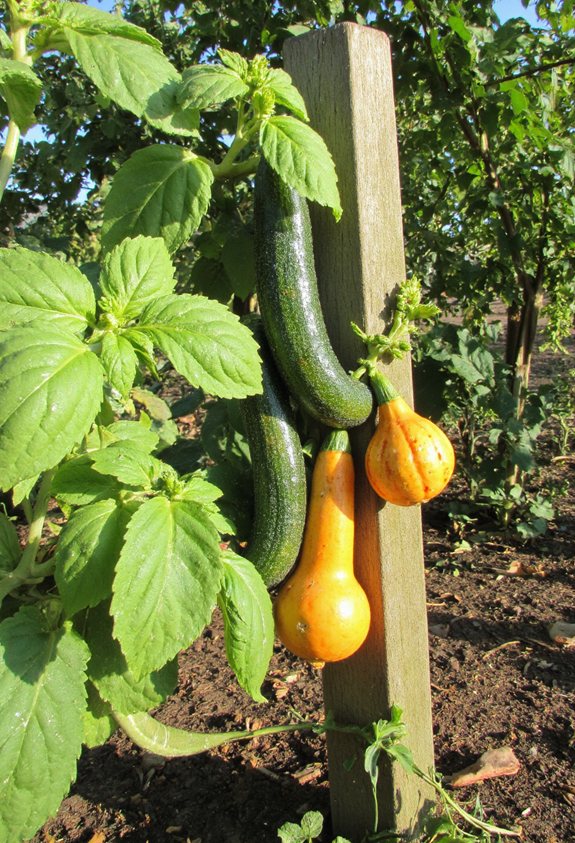
When June rolls in, the garden bursts with possibilities, so grab your seeds and get ready to sow summer squash, cucumbers, and basil for a quick, tasty harvest.
Plant squash in rows, spacing them a foot apart, and give each cucumber a trellis to climb.
Sprinkle basil seeds thinly, cover lightly, and water gently.
Within weeks, you’ll taste fresh, crisp veggies straight from your backyard. Additionally, planting companion plants like basil can enhance the flavor of your summer squash and improve overall yields.
July: Plant Heat‑Tolerant Greens and Second‑Round Root Crops
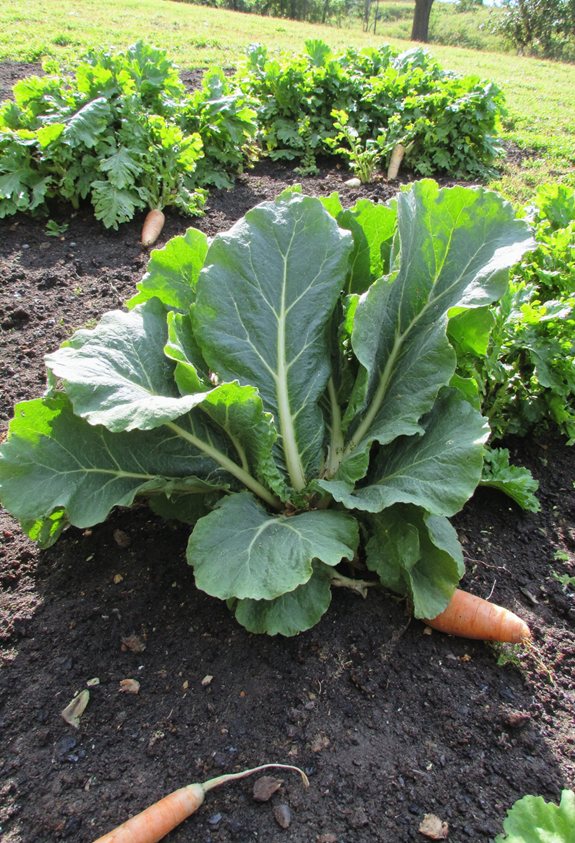
Ever wondered how to keep your garden thriving under July’s scorching sun? You can still harvest fresh greens and tasty roots if you choose heat‑tolerant varieties and stagger planting.
- Plant Swiss chard, which tolerates heat and keeps producing.
- Sow kale‑type leaf lettuce for quick, cool‑weather cuts.
- Replant carrots or beets for a second‑round harvest before fall.
Consider including heat-tolerant greens like basil and cilantro for flavorful additions to your summer dishes.
August: Start Fall Crops – Kale, Broccoli, and Brussels Sprouts
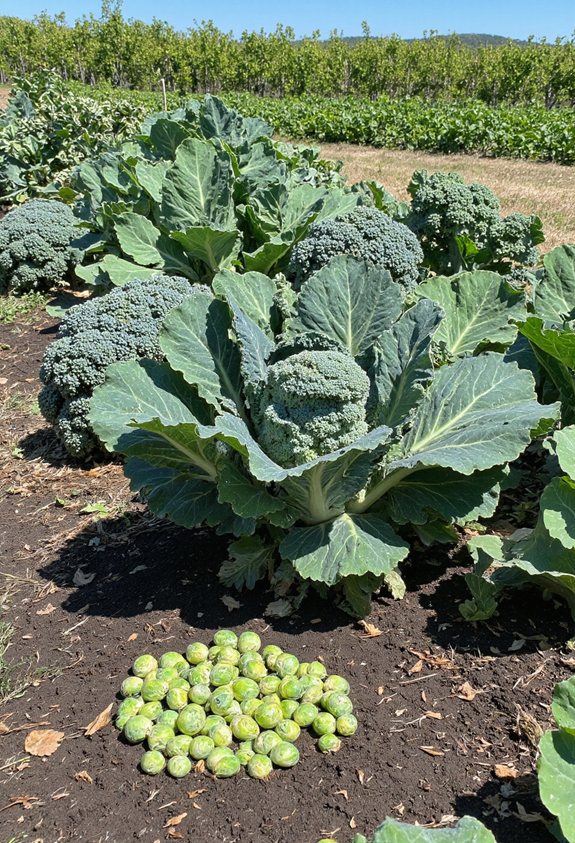
Even though August still feels like a summer marathon, it’s the perfect time to sow the seeds for a tasty fall harvest.
Plant kale now, and you’ll have crunchy leaves before winter bites.
Drop broccoli seedlings into cool soil, and watch sturdy heads form.
Toss Brussels sprout seeds, and enjoy tiny cabbage-like buds later.
Water regularly, mulch to keep roots happy, and you’ll be thrilled when the first frost adds flavor. Additionally, planting fast-growing vegetables allows for satisfying and quick yields before the cold sets in.
September: Direct‑Sow Spinach, Arugula, and Turnips for Late Harvest
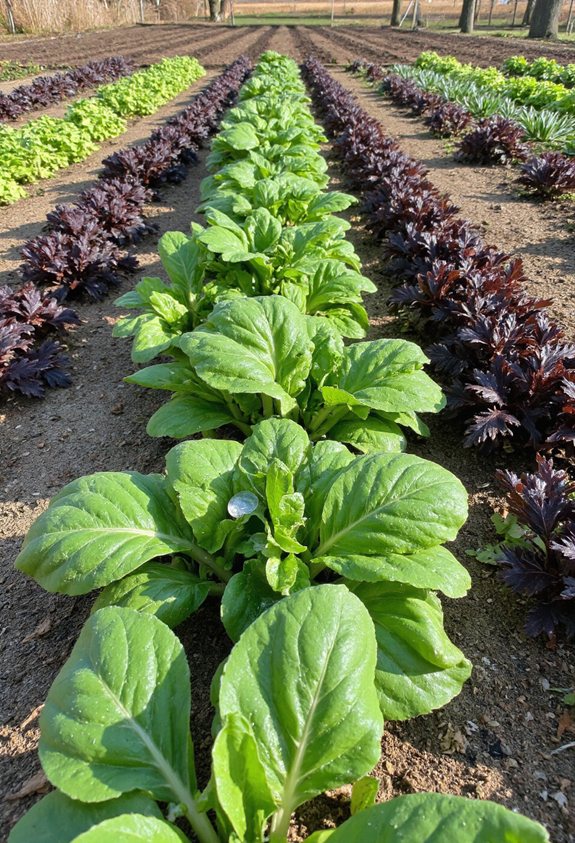
As September rolls in, you can start sowing spinach, arugula, and turnips directly into the garden beds, and the cooler evenings will keep those tender greens from bolting too fast. It’s also a great time to consider planting vibrant, edible blooms, like nasturtiums, which can enhance your garden with visual appeal and culinary uses.
Space rows 6‑8 inches apart, water consistently, and cover with light mulch to retain moisture.
- Plant seeds ½ inch deep
- Thin seedlings to 4 inches apart
- Harvest leaves before frost bites
October: Plant Garlic and Overwintering Onions in the Bed
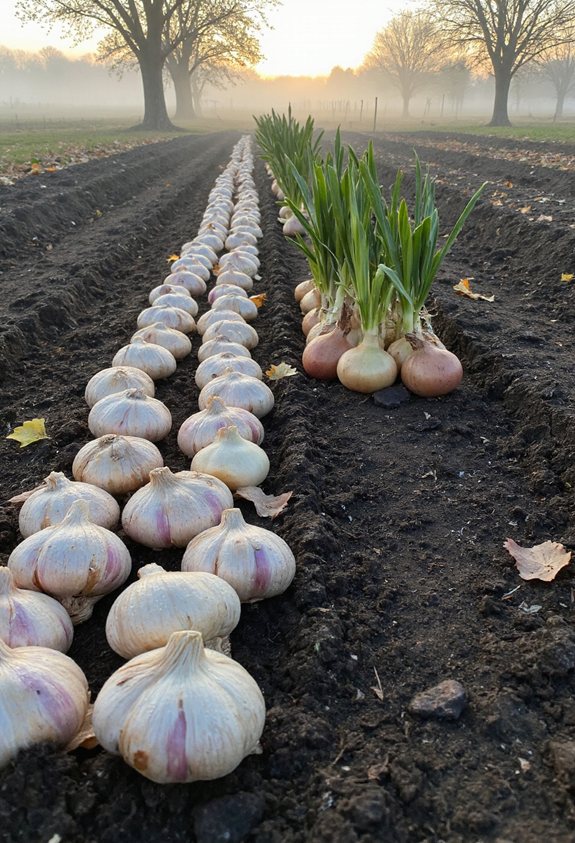
September’s greens are thriving, and now it’s time to think about what’ll keep your garden productive through the cold months.
In October, you’ll plant garlic cloves, pointy side down, spacing them three inches apart.
Also, set aside hardy onion sets for overwintering—cover them with a light mulch to protect roots.
November: Mulch and Protect Perennials, Plan Winter Cover Crops
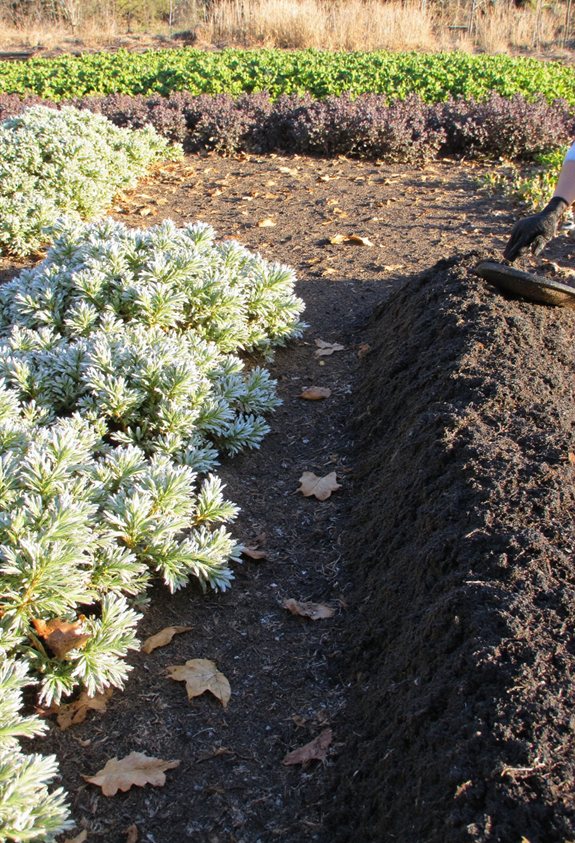
When the first frosts start to whisper, you’ll want to give your perennials a cozy blanket and think ahead about winter cover crops.
A thick layer of straw or shredded leaves traps heat, protects roots, and reduces weeds. Choose fast‑growing cover crops like winter rye, hairy vetch, or clover to enrich soil and keep pests busy.
- Spread 3‑4 inches of organic mulch around each plant.
- Plant cover‑crop seeds in rows or broadcast, then lightly rake them in.
- Water thoroughly before the ground freezes for best germination.
December: Review Seed Inventory and Prepare Soil for Next Year
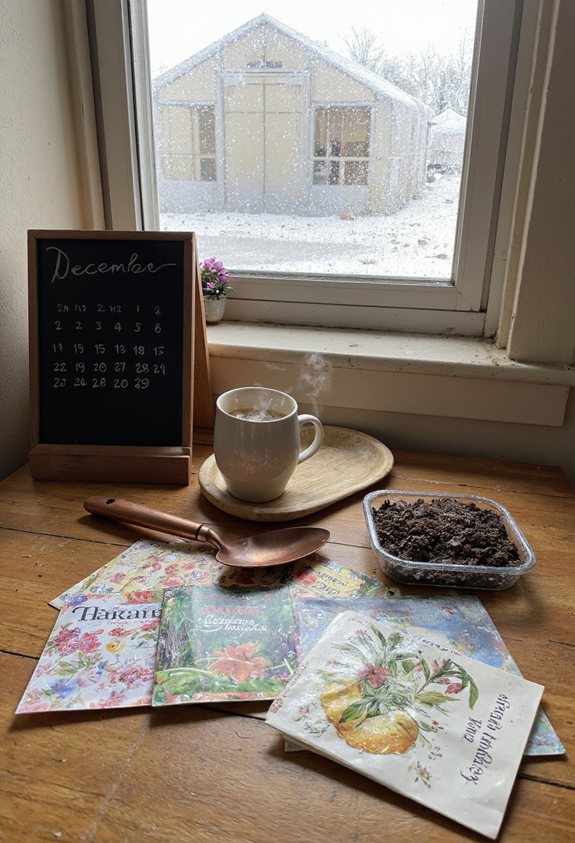
The frosty air that just tucked in your perennials also gives you a perfect excuse to sort through your seed stash.
Pull out each packet, check dates, and toss any that are past their prime.
Then, loosen the garden beds, add compost, and spread a thin layer of mulch.
Zone‑Specific Timing: Adjusting Plant Dates for USDA Hardiness
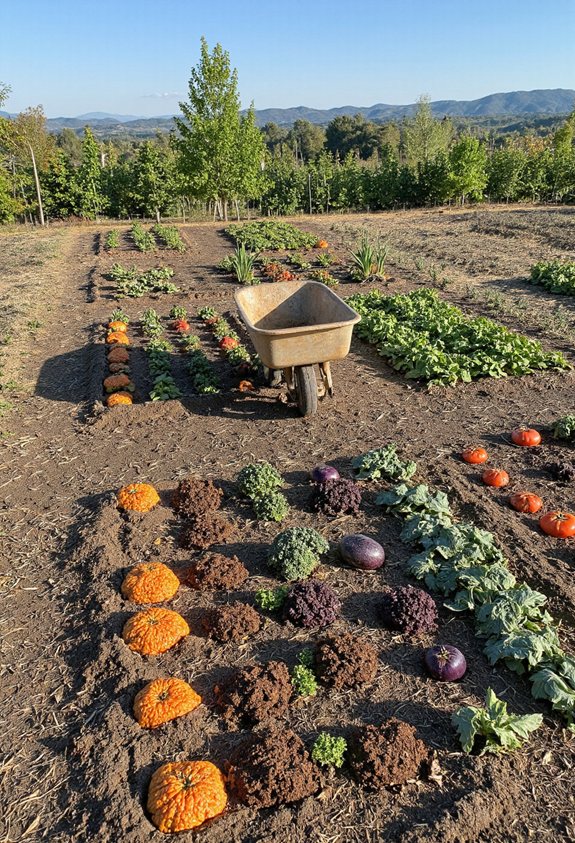
If you live in USDA zone 5, you’ll notice that a frost can bite down hard in early spring, so you’ll need to push your tomato planting back a week or two compared to zone 8, where the soil thaws sooner.
Adjusting dates helps seedlings thrive and avoids early‑season setbacks.
- Check last‑freeze dates for your zone.
- Start seeds indoors 6‑8 weeks before transplant.
- Use row covers to extend the season.
Soil Prep Essentials: Testing pH, Adding Compost, and Fertilizer Basics
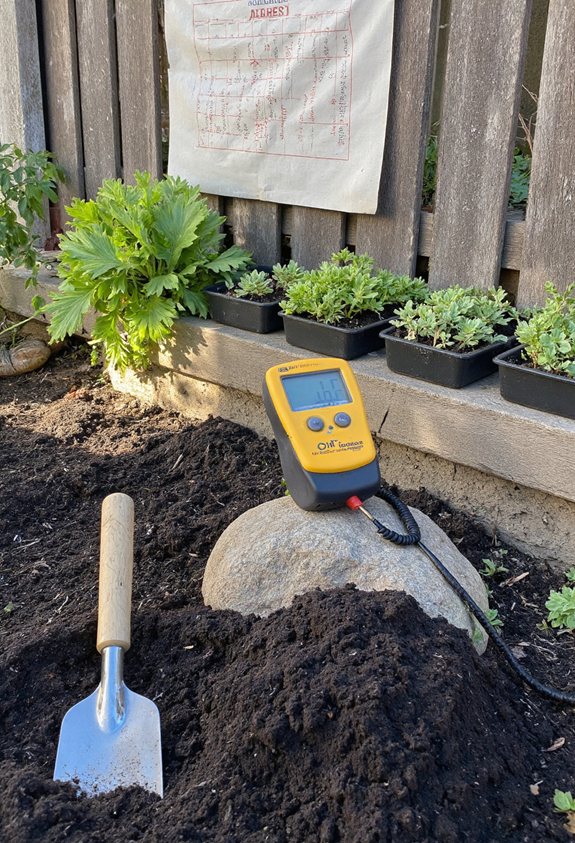
Even if your garden feels like a science lab, getting the soil right is the secret sauce for thriving veggies.
Test pH with a kit; aim for 6.0‑6.8.
Spread a few inches of compost, then work it in gently.
Add a balanced fertilizer—follow label rates, but don’t overdo it.
Watering Strategies: How Much and When for Each Month’s Crops
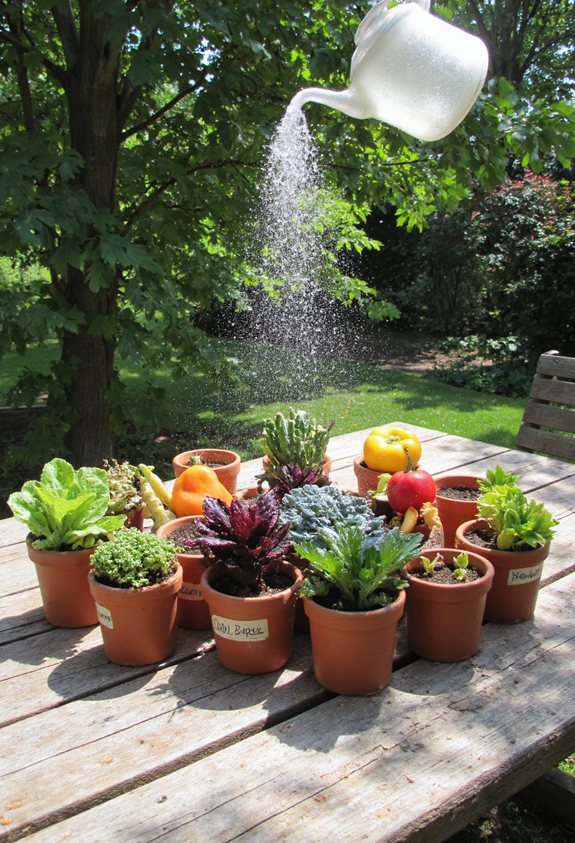
When the sun starts to climb higher in June, you’ll notice the soil drying out faster than a puddle on a hot sidewalk, so timing your watering becomes a game of listening to your plants and watching the weather.
- Water early, preferably at sunrise, to reduce evaporation.
- Aim for 1‑2 inches per week, adjusting for rain.
- Check soil moisture by sticking a finger 2 inches deep; if it feels dry, water.
Companion Planting Pairings for Better Yields and Pest Control
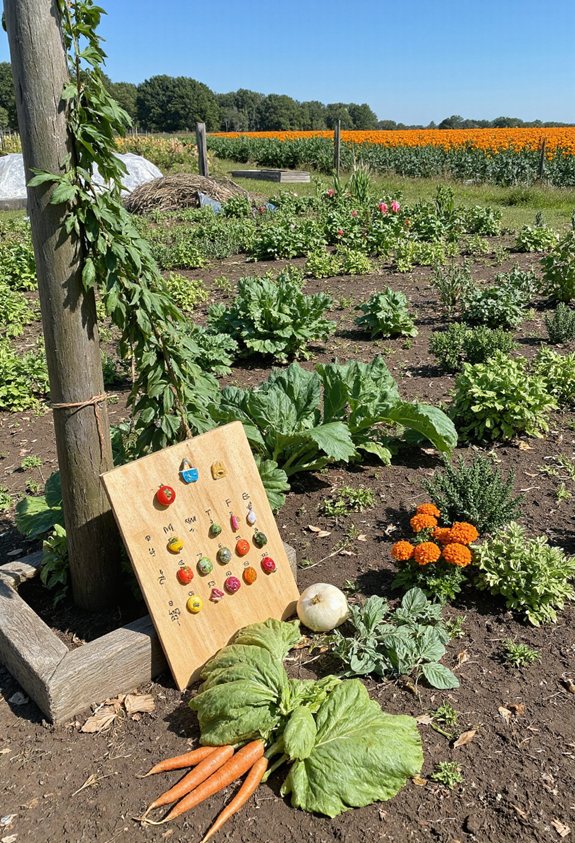
Have you ever noticed how certain veggies seem to thrive when they’re planted next to their “friends,” while others wilt under the same conditions?
Pair tomatoes with basil to mask pests, and plant carrots beside onions to deter flies.
Marigolds keep nematodes away from beans, and lettuce loves the shade of taller corn.
These combos boost yields, cut chemicals, and make your garden feel like a supportive community.
Staggered Sowing Techniques to Ensure Continuous Harvests
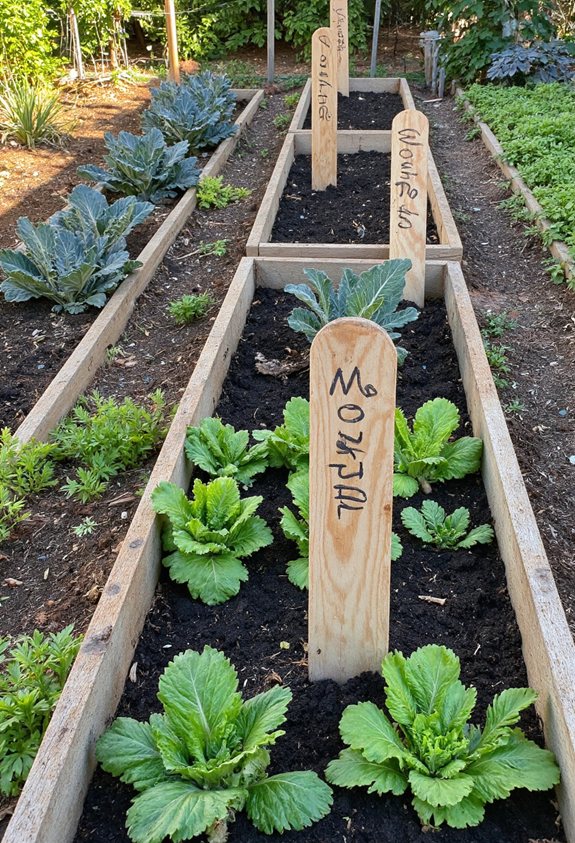
Why not spread your planting dates like a steady beat, so your garden keeps delivering fresh veggies week after week? You’ll feel like a culinary DJ, remixing harvests and keeping plates colorful.
- Plant a batch every 2‑3 weeks.
- Use a calendar or app to track sowing dates.
- Rotate crops within families for soil health.
Choosing Fast‑Growing Varieties for Early Spring Success
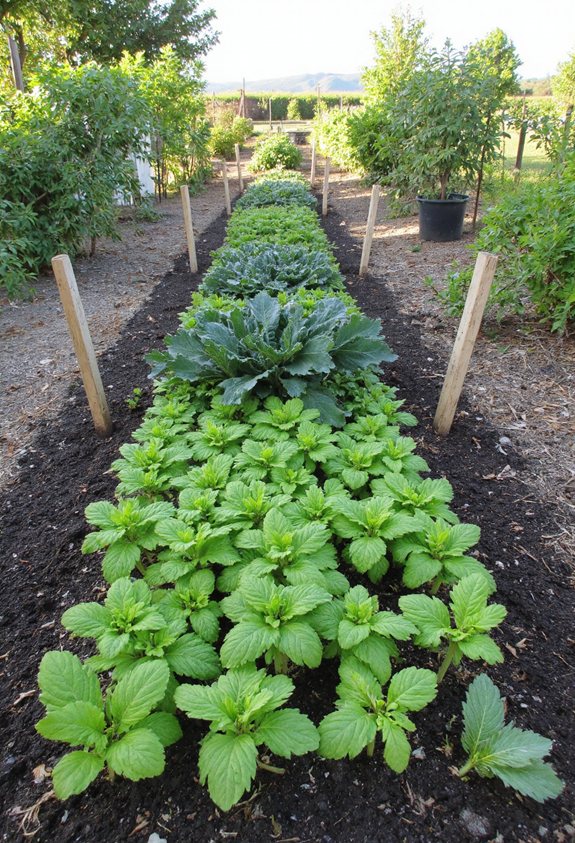
You’ve already got the rhythm of staggered sowing down, so now let’s crank up the tempo with fast‑growing varieties that pop up in early spring.
Pick radishes, lettuce, and baby carrots; they sprout in weeks.
Try quick‑maturing peas and bush beans for a burst of color.
These crops love cool soil, so plant them as soon as the ground thaws and watch the garden come alive.
Managing Heat Stress: Shade, Mulch, and Timing Tips for Summer
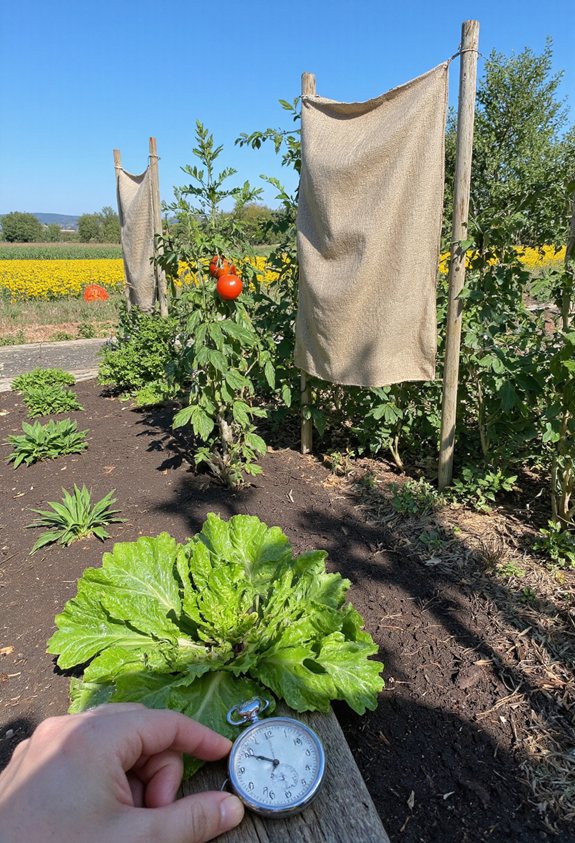
When the sun starts to feel like a furnace, your garden can quickly turn from a cool oasis into a sweaty mess. You’ll need shade, mulch, and smart timing to keep veggies thriving.
- Plant in the early morning or late afternoon to avoid peak heat.
- Use lightweight shade cloths or row covers for afternoon relief.
- Mulch heavily with straw or shredded leaves to lock in moisture and cool the soil.
Extending the Season: Cold Frames, Row Covers, and Mini‑Greenhouses
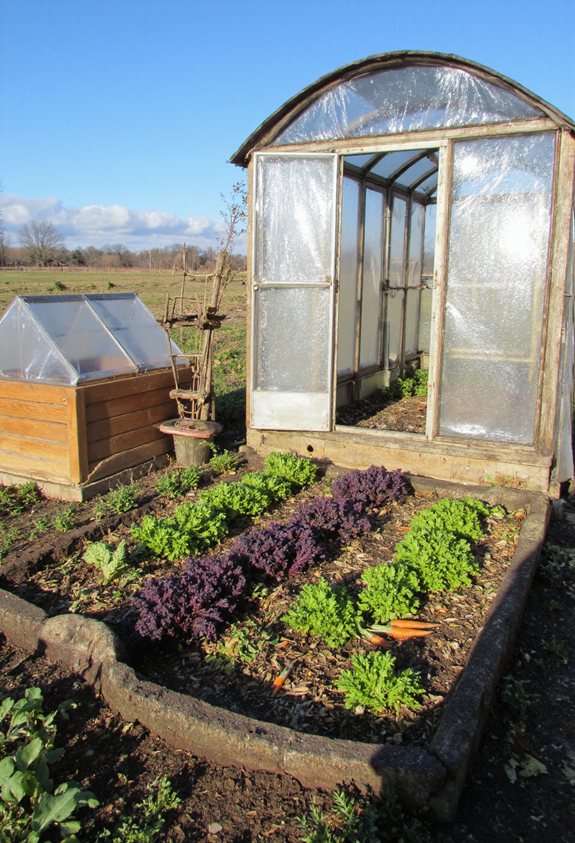
Even if the frost bites early, you can still harvest crisp lettuce and sweet carrots by slipping a cold frame, row cover, or mini‑greenhouse over your beds.
You’ll trap heat, protect seedlings, and stretch the growing season a few weeks.
A simple hoop house keeps tomatoes warm, while a lightweight row cover shields beans from chilly winds.
Experiment, watch growth, and enjoy fresh produce longer.
Pest and Disease Watchlist by Month and Quick Organic Remedies
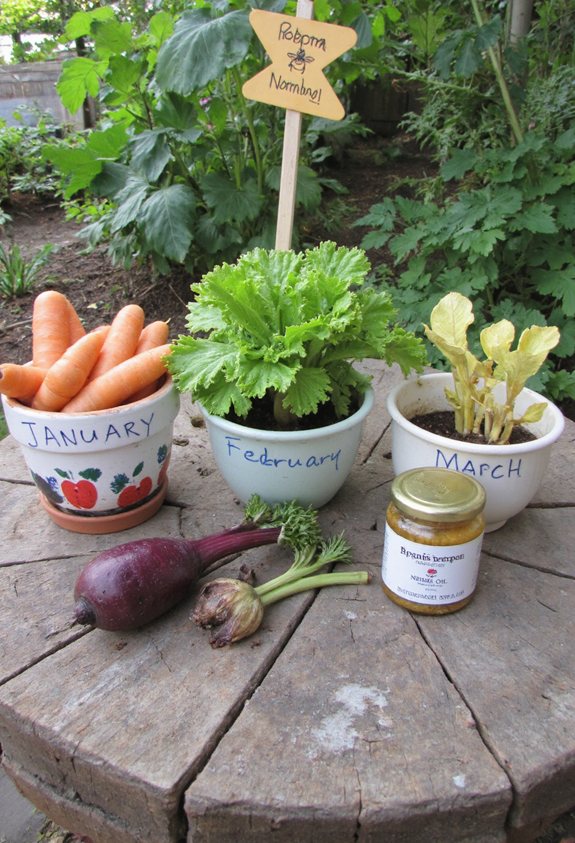
After you’ve set up cold frames and row covers, the next thing to watch is the critters and microbes that love the extra warmth. Spotting problems early saves crops and keeps gardening fun. Keep a weekly walk‑through habit, note any odd spots, and act fast with natural fixes.
- Aphids in spring: spray neem oil mixed with water.
- Powdery mildew in summer: dust cinnamon or apply milk spray.
- Slugs in autumn: scatter crushed eggshells or use iron phosphate bait.
Harvest Timing: When to Pick Each Vegetable for Peak Flavor
Ever wondered why the perfect carrot crunch feels like a tiny victory? You’ll know the exact moment to harvest when roots turn bright orange and snap easily.
Leafy greens taste best after a quick frost, so pull them when leaves are crisp.
Tomatoes should be picked when fully colored and slightly soft.
Snap peas are sweetest right before they bulge.
Timing locks flavor, rewarding your garden effort.
Post‑Harvest Storage: Best Methods for Each Crop’s Freshness
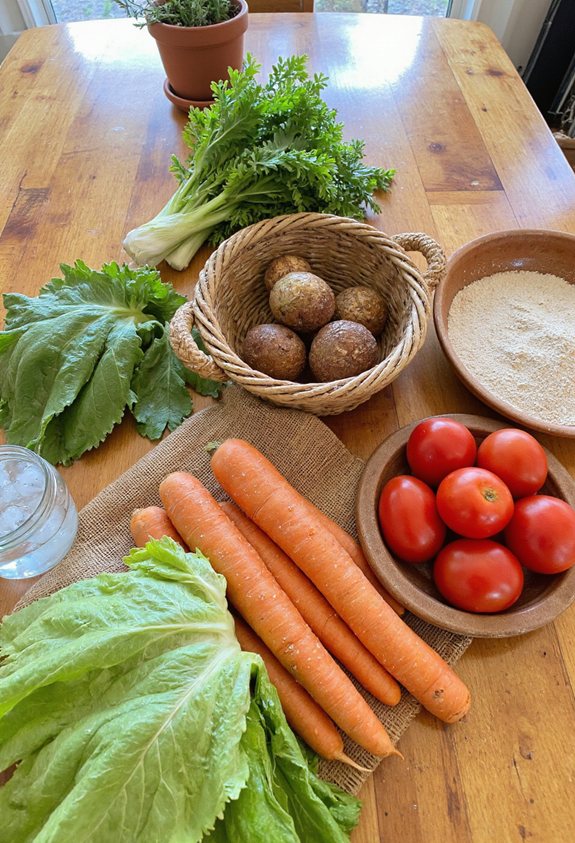
When you bring your garden bounty inside, the way you store each vegetable can make the difference between a crunchy snack and a soggy disappointment.
Keep leafy greens in a damp paper towel inside a zip bag, chill root veggies in a cool, dark drawer, and wrap tomatoes in a breathable cloth to preserve flavor.
- Lettuce & spinach: damp towel, zip bag
- Carrots & beets: cool dark drawer
- Tomatoes: breathable cloth, room temp
Rotating Crops: Preventing Soil Depletion and Reducing Disease
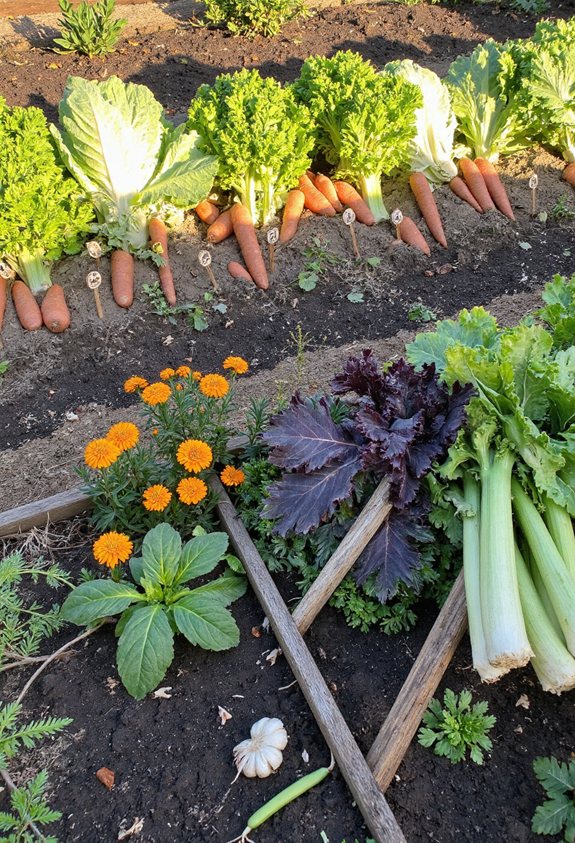
Storing your harvest is only half the battle; the next step is to keep the soil happy for season after season.
You can rotate crops by moving beans, tomatoes, and lettuce to different beds each year.
This breaks pest cycles, restores nutrients, and stops disease from building up.
Think of it as giving each plant a fresh, clean stage, like swapping seats at a school play.
Budget‑Friendly Seed Sources and DIY Seed Saving Tips
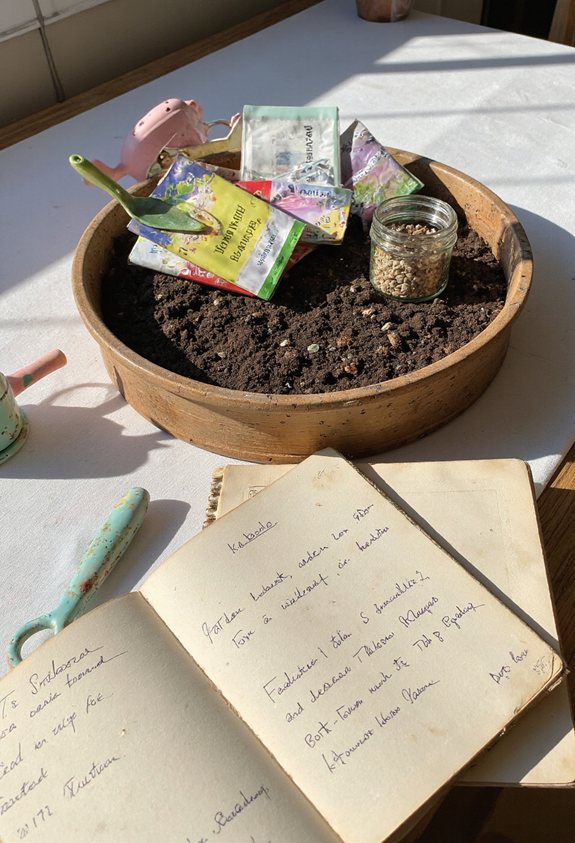
You can snag cheap seeds by hitting local farmer’s markets, swapping with neighbors, or browsing online seed swaps—places where gardeners trade surplus packets like baseball cards.
Packaged packets, label them, and store them in a cool, dry spot.
Over time, you’ll collect a treasure chest of varieties without breaking the bank.
- Visit community gardens for free seed giveaways
- Join Facebook seed‑exchange groups for rare heirlooms
- Harvest and dry your own seeds from mature plants
Quick Reference Chart: Month‑by‑Month Planting Summary at a Glance
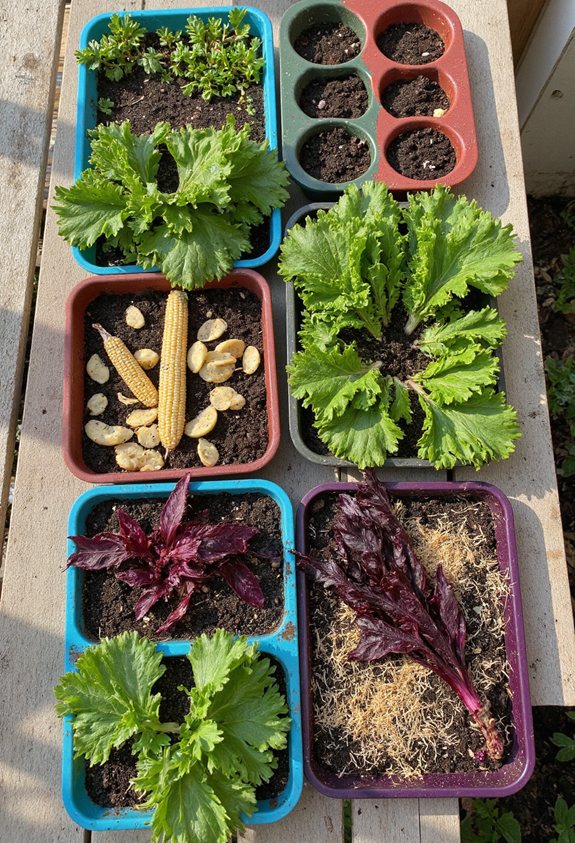
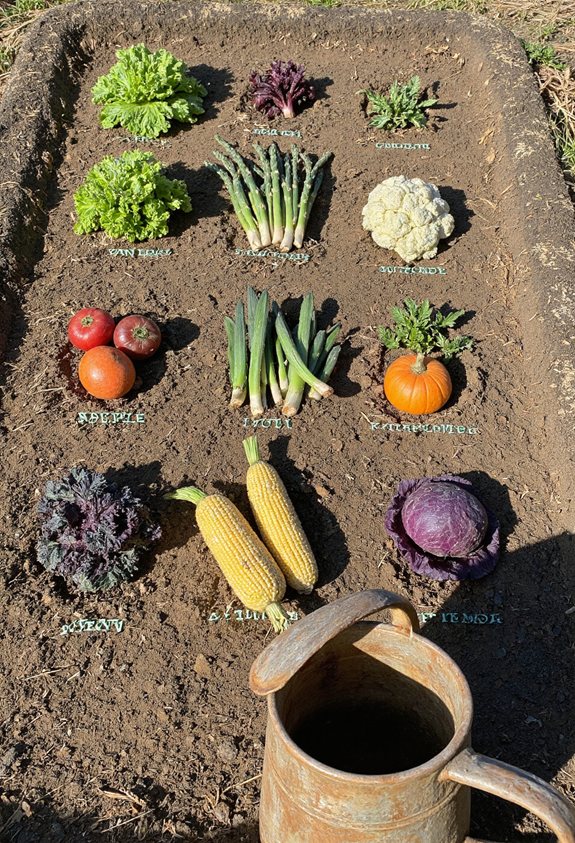
If you glance at the chart, you’ll see the whole planting year laid out like a colorful roadmap, showing exactly which veggies sprout in each month and where they belong in your garden.
You can spot spring lettuce, summer tomatoes, fall carrots, and winter kale at a glance.
The colors guide you, making planning feel like a fun puzzle you’ll master quickly.